University of Nebraska at Omaha logo University of Nebraska at Omaha
REQUEST INFO VISIT APPLY

MY UNO DIRECTORY
University of Nebraska at Omaha logo
International Programs Education Abroad
REQUEST INFO VISIT APPLY
MY UNO DIRECTORY
  • About Us Backback to Main menu
    • About Us
    • Our Team
    • Important Dates
    • Getting Started
  • Program Options Backback to Main menu
    • Study Abroad FAQ
    • Global Courses
    • National Student Exchange
    • International Exchange Programs
    • UNO Direct
    • Affiliate Providers
  • Academics Backback to Main menu
    • Academic Credit
    • College of Arts & Sciences
    • College of Business Administration
    • College of Education, Health, and Human Sciences
    • School of the Arts
  • Finances & Travel Backback to Main menu
    • Funding Your Program
    • Air+Care
    • Scholarships
    • Scholarship Tips
    • Travel Documents
    • Education Abroad Admin Cost
  • Health & Welfare Backback to Main menu
    • Emergencies
    • Insurance Abroad
    • Pre-Departure Orientation
    • Identity Abroad
  • Alumni Backback to Main menu
    • Reverse Culture Shock
    • Get Involved
    • After Graduation
  • Faculty & Staff Backback to Main menu
    • Let's Work Together
    • Leading a Program
    • Global Course Partners
    • Emergencies
  • Incoming Exchange Backback to Main menu
    • Incoming Exchange Home
    • Incoming FAQ

Leading a Program

  1. UNO
  2. International Programs
  3. Education Abroad
  4. Faculty and Staff
  5. Leading a Program

Leading a Program

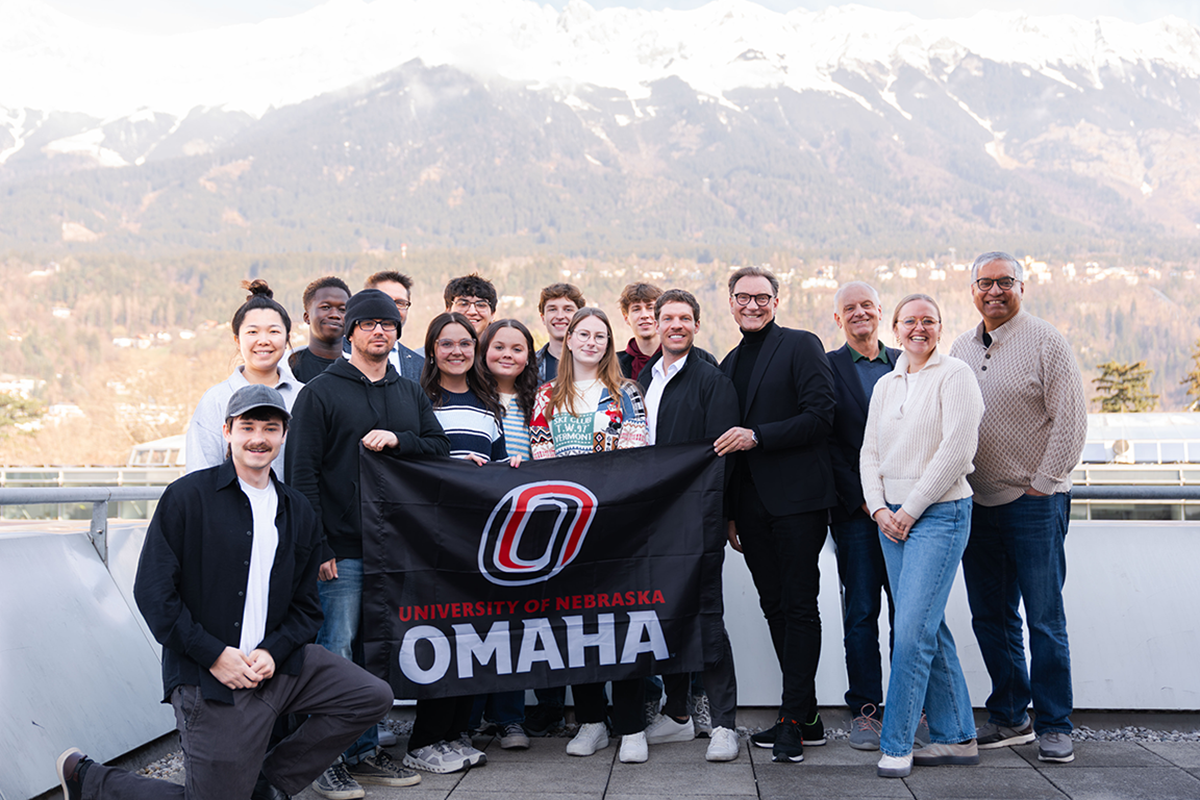
Group poses with University of Nebraska Omaha flag with snowcapped mountains in the background.

Why Lead a Global Course?

Leading a Global Course is one of the best ways to add interest to the curriculum, provide your students with the opportunity to interact with subject matter on a deeper level, and increase your professional global engagement. Education Abroad is here to help you conceptualize, plan, and execute your program.


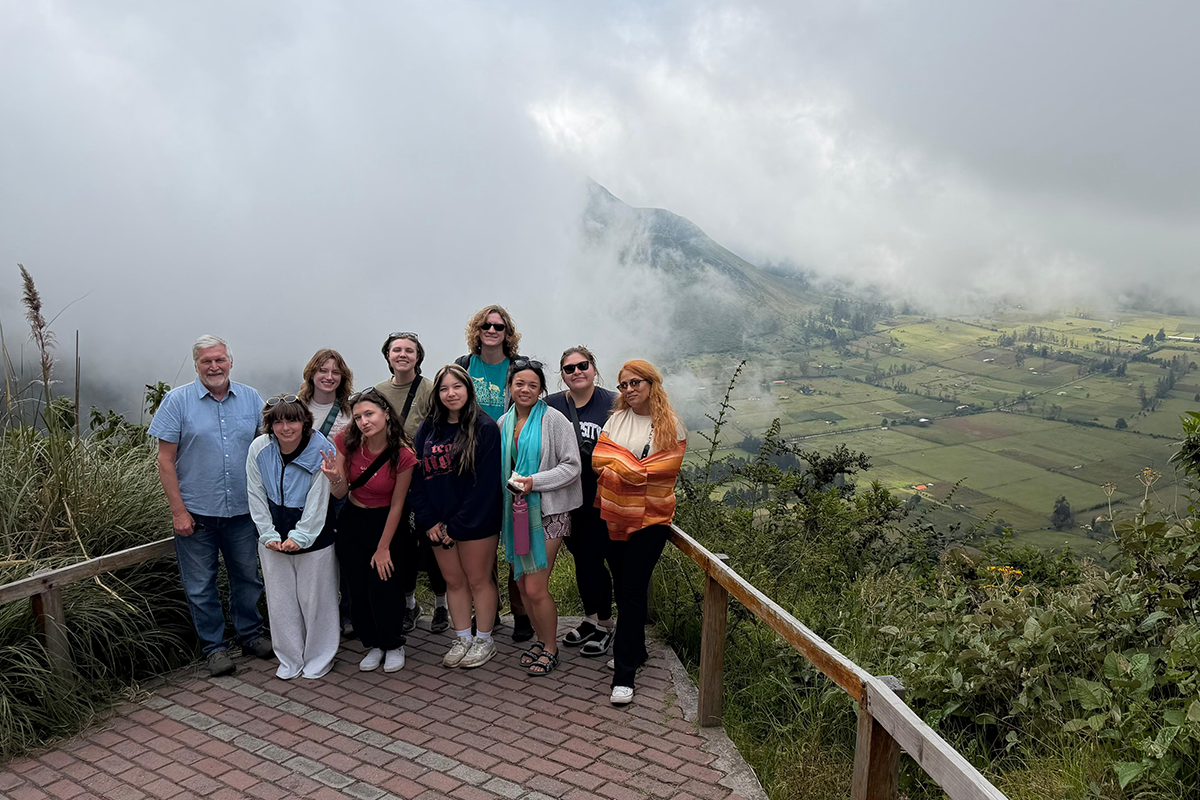
Group of 10 people pose at an overlook with clouds and green fields in the distance.

What Makes a Successful Leader?

Successful Global Course programs derive from the expertise and commitment of its leaders. Teaching your subject in a classroom can understandably be different from leading students into another country. The most successful leaders possess certain atributes that create an unforgettable learning experience. Common characteristics of effective leaders are:

  • Problem-solving Skills
  • Sensitivity
  • Self Awareness
  • Empathy
  • Organization
  • Patience
  • Creativity
  • Resilience
  • Enthusiasm
  • Dependability

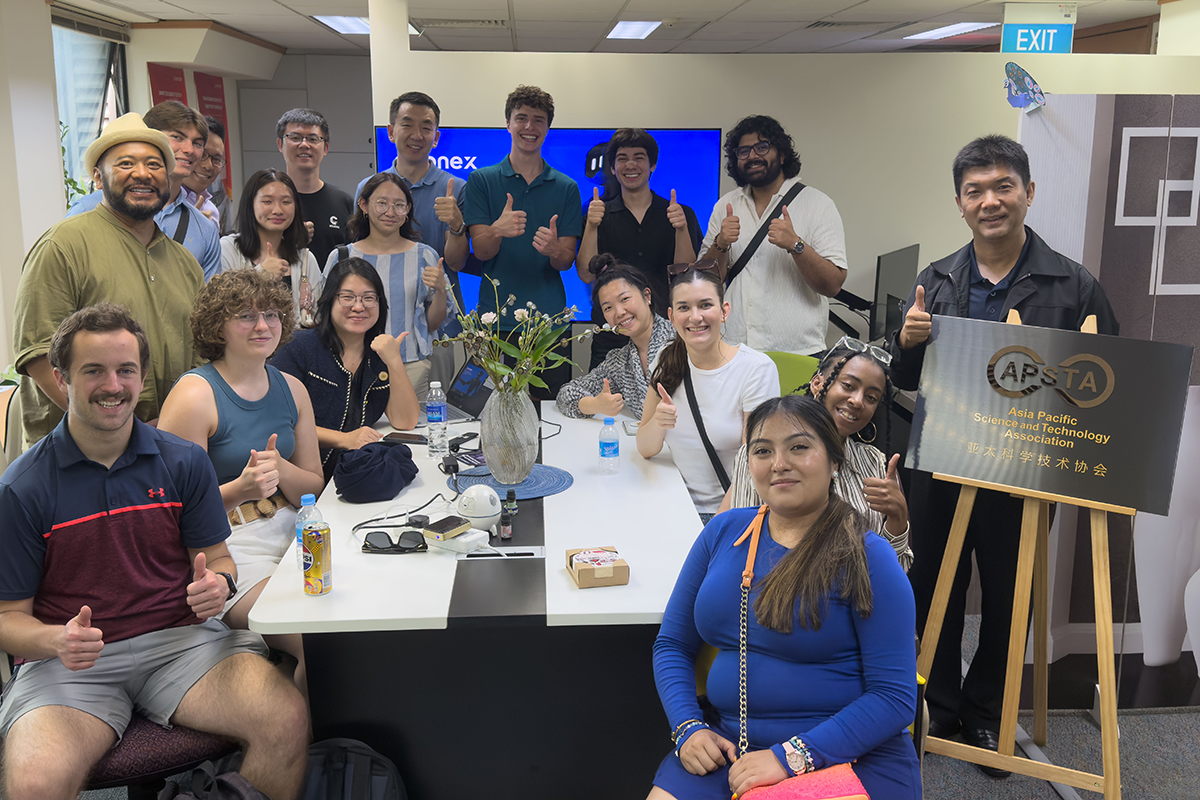
People sitting and standing around a table giving the thumbs up sign.

Developing a Global Course

Creating a Global Course requires careful planning. If you are interested and up for the challenge of leading an international education experience, you should reach out to the Global Course Coordinator at least 12-18 months in advance of your desired program date. This allows for sufficient time to finalize all aspects of the programs and ensure its success.

Faculty leaders will have to take on certain responsibilities in addition to teaching and curriculum development. While UNO Education Abroad is here to support you, there are areas of shared responsibility that require program leadership involvement for a successful Global Course.

These responsibilities include:

  • Communicating with Education Abroad and on-site partners in a timely manner
  • Recruiting student participants for the program
  • Coordinating with the Education Abroad on pre-departure orientation 
  • Managing allocated funds for the program when needed
  • Supervising and supporting students during the program
  • Completing the Program Leader training in Canvas
  • Owning or renting a smart phone while in country with an international data and talk plan
Get in Touch

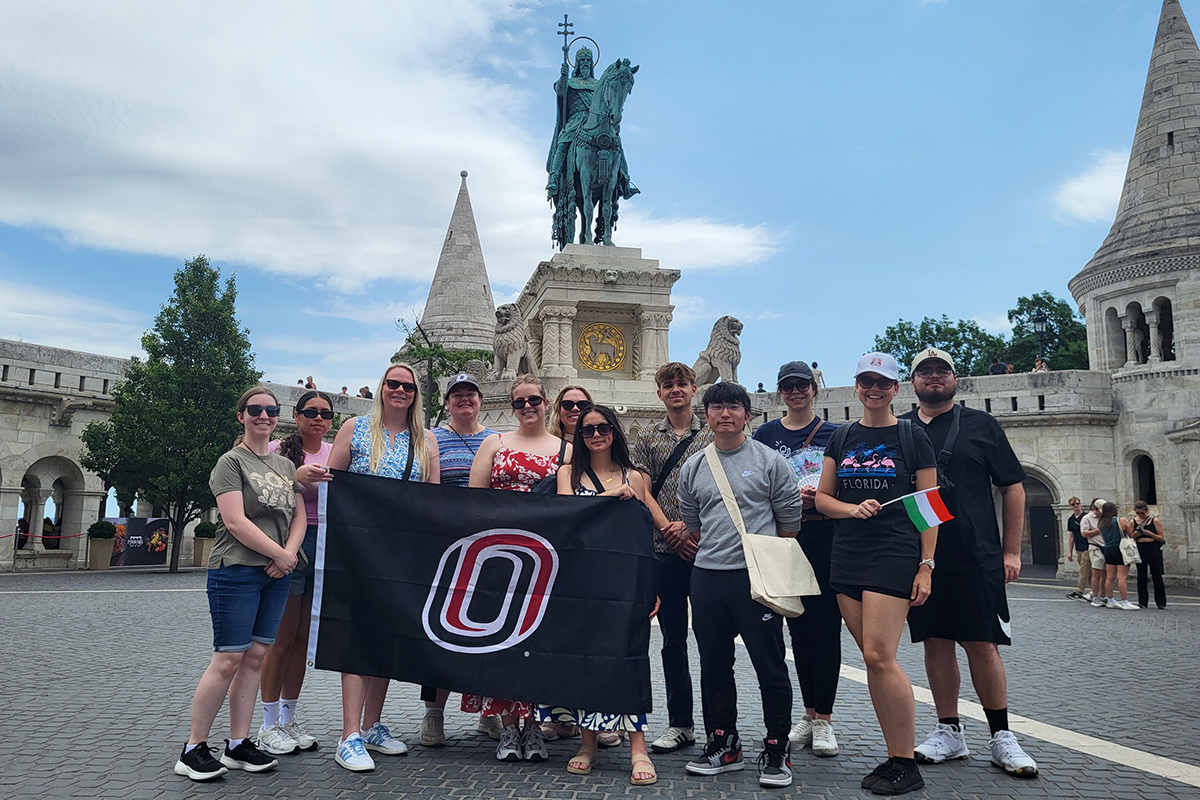
Group posing with a University of Nebraska Omaha flag in front of a statue of someone on a horse.

Who Can be a Global Course Leader?

UNO requires that all Global Courses are managed by two responsible parties.

The primary leader should be a UNO faculty member with academic expertise in the program’s field(s) of study. A qualified UNO lecturer, instructor, or staff member may be approved to serve as the primary leader at the discretion of the department and college. 

The primary leader and the second responsible party should have complementary characteristics and skills. Education Abroad's preferred options for a co-leader are a local on-site partner and/or a UNO staff member. To learn more about who is eligible to serve as a second responsible party on a Global Course, click the button below.

Who Can Lead?

Education Abroad

Contact Us
  • Education Abroad
  • International Programs
  • 241 Arts and Sciences Hall
  • 222 University Drive East
  • Omaha, NE 68182   map
  • 402.554.3168
  • unostudyabroad@unomaha.edu
Program Resources
  • International Exchanges
  • Global Courses
  • National Student Exchange
  • Scholarships
  • FAQs
Arts and Sciences Hall

Services and Resources

  • Academic Calendar
  • Course Catalogs
  • MavCARD Services
  • MavLINK
  • my.unomaha.edu
  • UNO Brand Guide

Related Links

  • A-Z List
  • Employment
  • University of Nebraska System

Campus Links

  • Accessibility
  • Billing Office
  • Buildings and Maps
  • Campus Directory
  • Campus Safety
  • Events
  • Human Resources
  • Library
  • Military-Connected Resource Center
  • News
  • Registrar
  • Samuel Bak Museum: The Learning Center

Policies and Reporting

  • Emergency Information Alert
  • MavsReport
  • Notice of Nondiscrimination
  • NU Foundation
  • Privacy Statement
  • University Policies
  1. Privacy Statement
  2. Accessibility
  1. 402.554.2800

University of Nebraska at Omaha
University of Nebraska at Omaha, 6001 Dodge Street, Omaha, NE, 68182
  • ©  

Social Media


Omaha Skyline

Our Campus. Otherwise Known as Omaha.

The University of Nebraska does not discriminate based on race, color, ethnicity, national origin, sex, pregnancy, sexual orientation, gender identity, religion, disability, age, genetic information, veteran status, marital status, and/or political affiliation in its education programs or activities, including admissions and employment. The University prohibits any form of retaliation taken against anyone for reporting discrimination, harassment, or retaliation for otherwise engaging in protected activity. Read the full statement.