

YSALI: American Excellence, Entrepreneurship, and Innovation
OMAHA, Neb. – This summer, nearly 80 emerging leaders from South Asia gathered in the United States for the first Young South Asian Leaders Initiative (YSALI) U.S. Workshop. Participants were exposed to the American spirit of entrepreneurship and innovation and had the opportunity to rethink what leadership, entrepreneurship, and innovation can accomplish in their communities.
- published: 2026/08/26
- contact: Charity Stahl - International Programs
- phone: 402.554.2293
- email: world@unomaha.edu
- search keywords:
- YSALI
- Center for Afghanistan and Regional Studies
- East-West Center
- Entrepreneurship
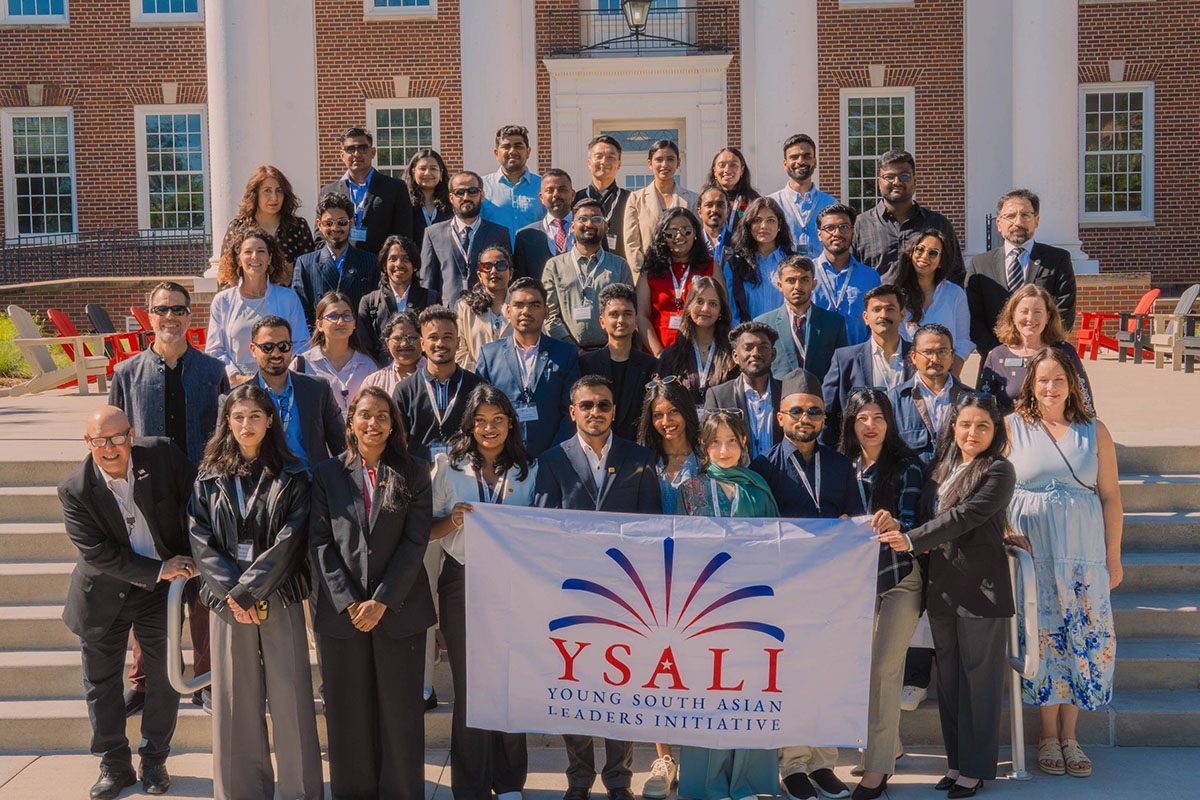
The University of Nebraska at Omaha’s Center for Afghanistan and Regional Studies, in collaboration with the East-West Center, organized the two-week program in close partnership with the U.S. Department of State’s Bureau of South and Central Asian Affairs. The workshops brought together young professionals from Bangladesh, Bhutan, India, Maldives, Nepal, Pakistan, and Sri Lanka for an immersive exploration of American leadership, entrepreneurship, business, and innovation. Previous workshops were held in Sri Lanka and Bangladesh with more regional workshops planned for fall 2026 and spring 2027.
While participants expected to learn from experts, many left saying the greatest lesson was a shift in perspective.
"In the U.S., I noticed a culture that openly celebrates entrepreneurship and risk-taking, which makes the path to becoming an entrepreneur feel far more accessible than it often does back home in South Asia," said Md. Shahriar Nazim Shimanta of Bangladesh. "This experience shifted how I think about entrepreneurship, innovation, leadership, and service."
Throughout the workshops, participants met entrepreneurs, educators, government officials, nonprofit leaders, and innovators who demonstrated how collaboration across sectors drives economic growth and community impact.
The experience began in Omaha, where fellows explored leadership through interactive sessions with UNO faculty, completed the Gallup CliftonStrengths assessment, and visited organizations including LinkedIn Omaha, Nebraska Innovation Campus, The Combine, and Omaha's RiverFront Revitalization Project. A visit to the Nebraska State Capitol provided insight into state government and public service.
In Washington, D.C., participants explored the nation's innovation ecosystem through visits to organizations including the AWS Skills Center, Children's National Research & Innovation Campus, Gallaudet Innovation & Entrepreneurship Institute, Xylem Water Technologies, NASA Headquarters, National IQ, and the Smithsonian National Air and Space Museum's Steven F. Udvar-Hazy Center.
For Desman Abisherk of Sri Lanka, visiting Washington's Innovation Cluster highlighted important differences between entrepreneurial ecosystems.
"There, I had the opportunity to meet entrepreneurs and learn about the entrepreneurial ecosystem in the United States," he said. "Through these interactions, I observed how entrepreneurship in the U.S. emphasizes innovation, risk-taking, networking, and scalability. Comparing these approaches with the entrepreneurial environment in Sri Lanka gave me new insights and challenged me to think differently about business and innovation."
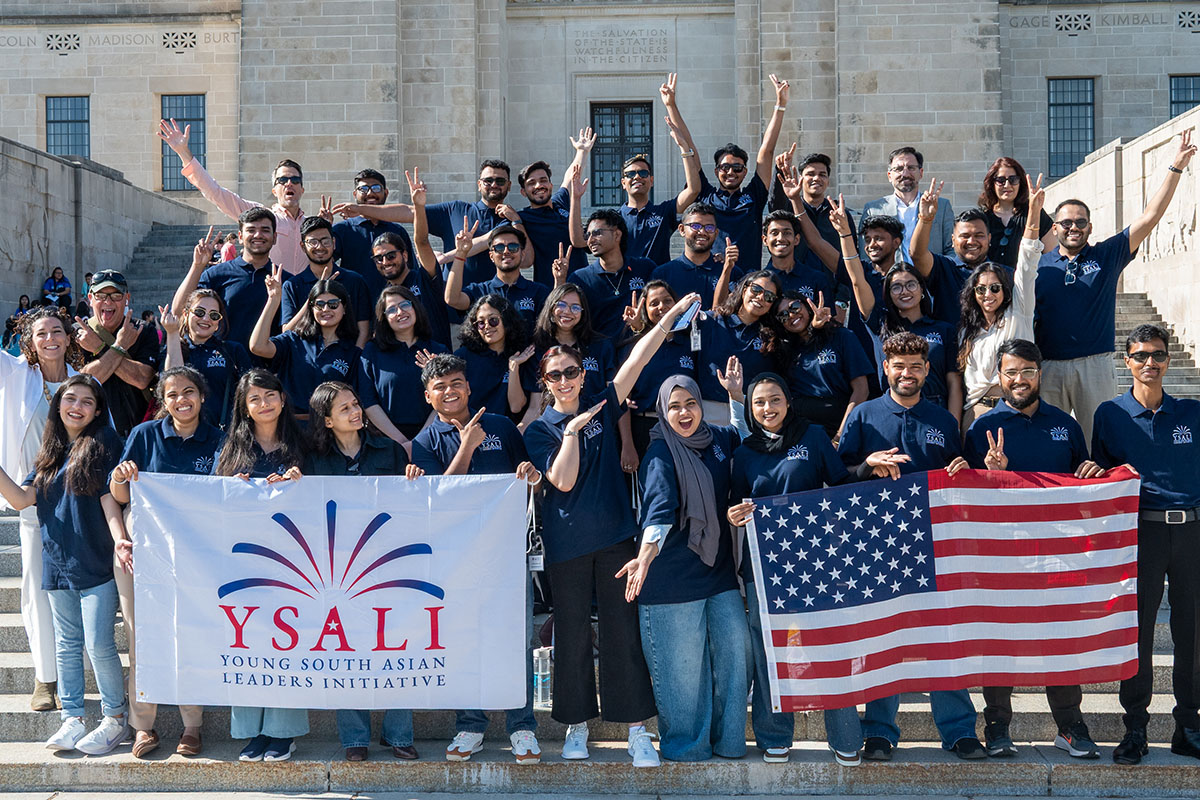
YSALI U.S. Workshop Cohort 1 in front of the Nebraska State Capitol in Lincoln.
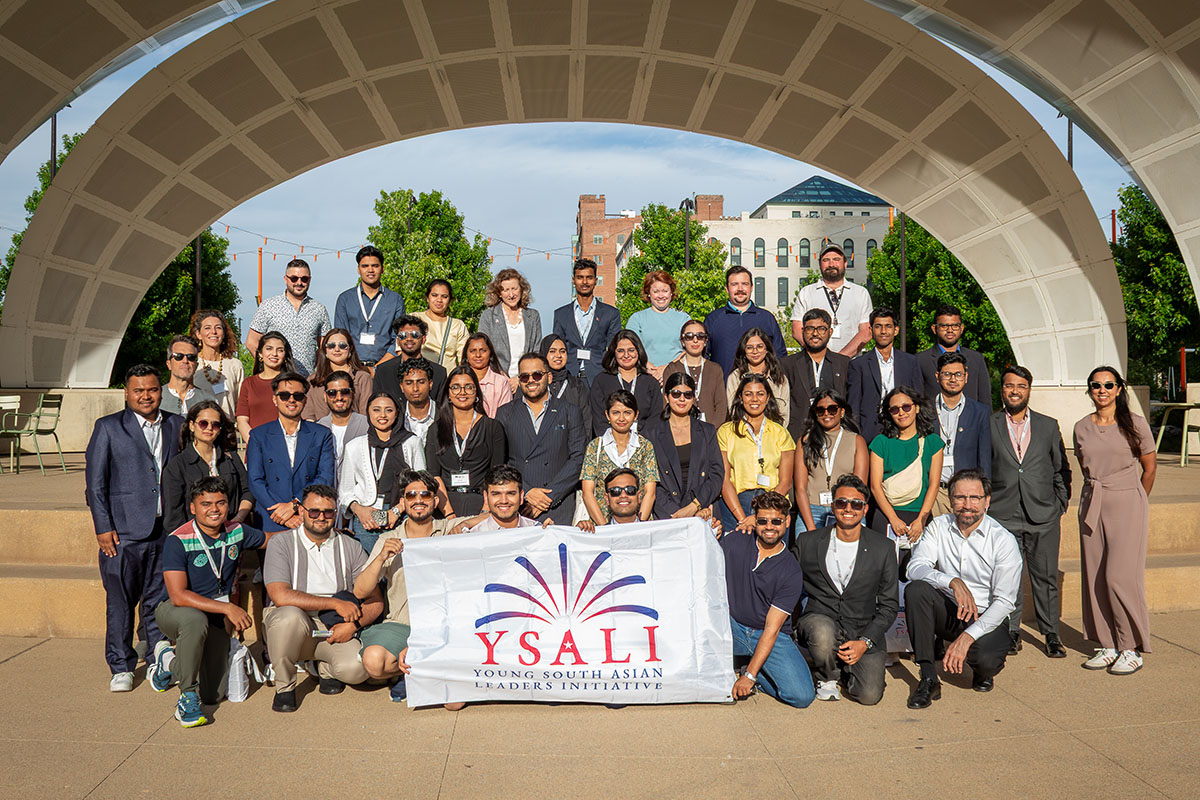
The YSALI Cohort 1 at the Gene Leahy Mall in Downtown Omaha, Nebraska.
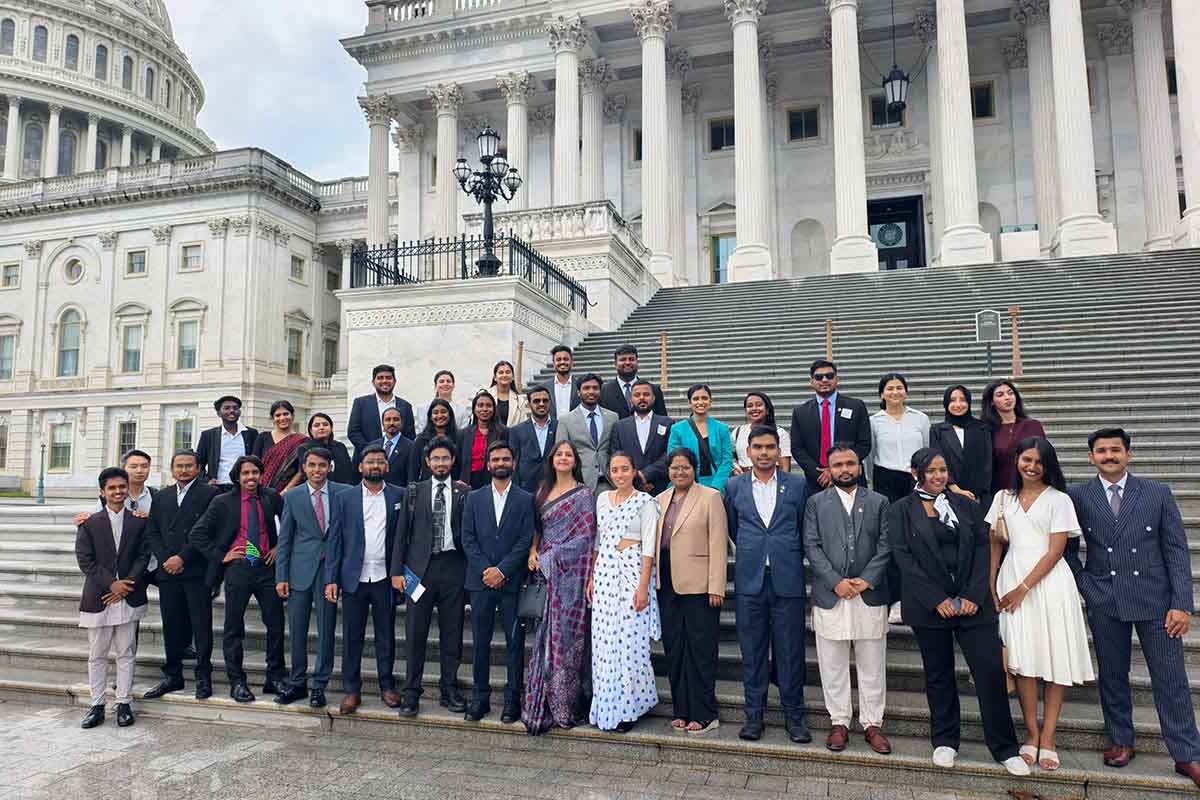
YSALI participants in front of the U.S. Capitol.
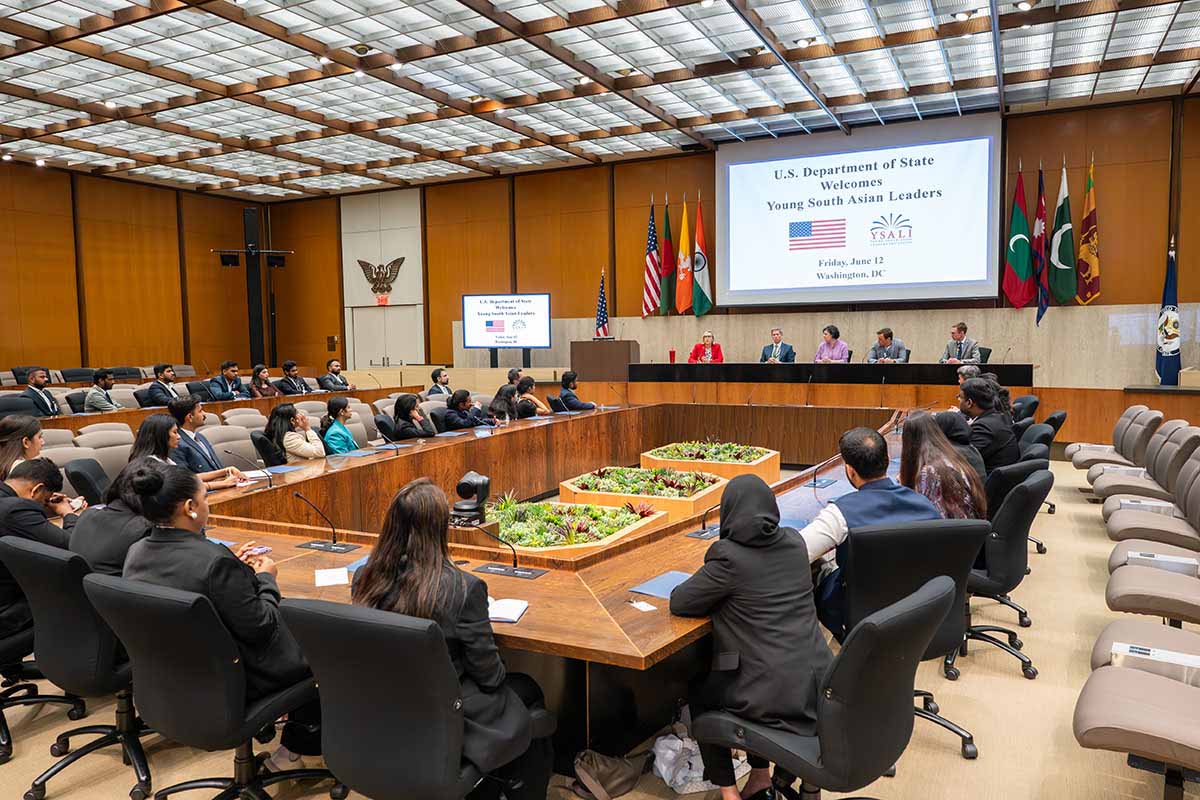
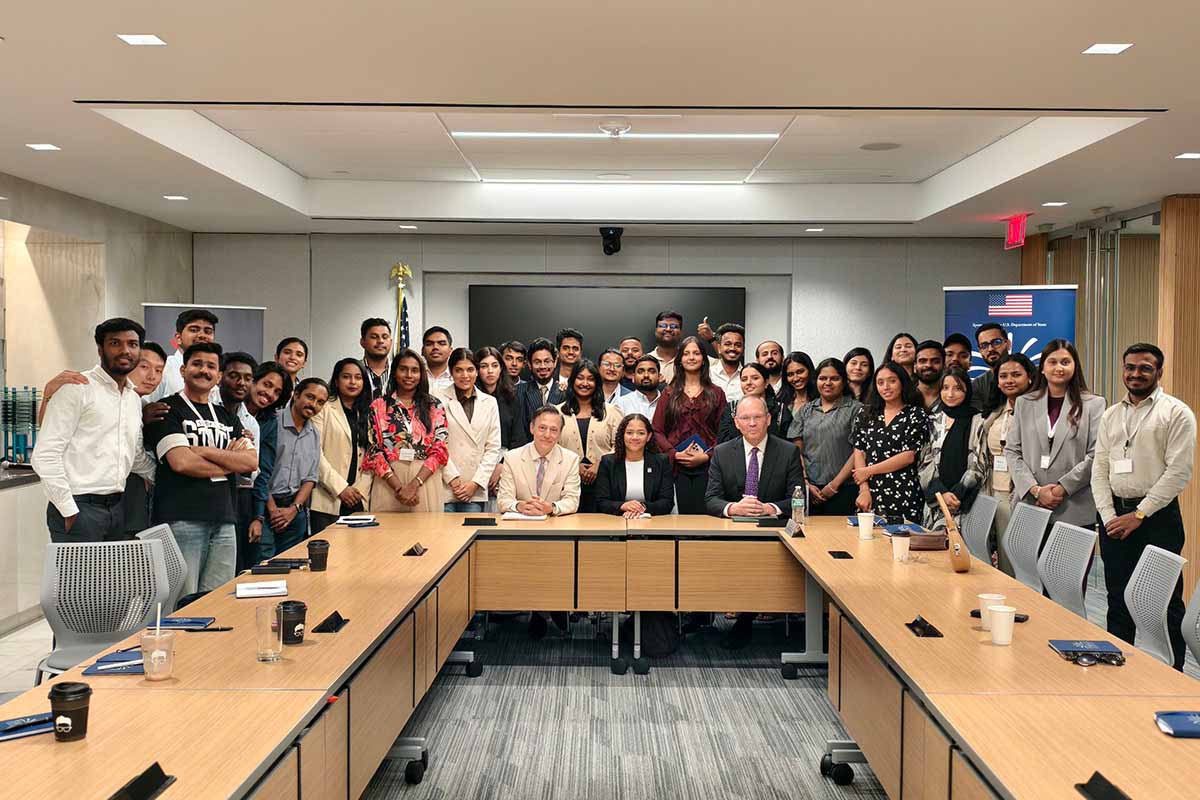
The YSALI group was welcomed to the U.S. Department of State to meet with officials.
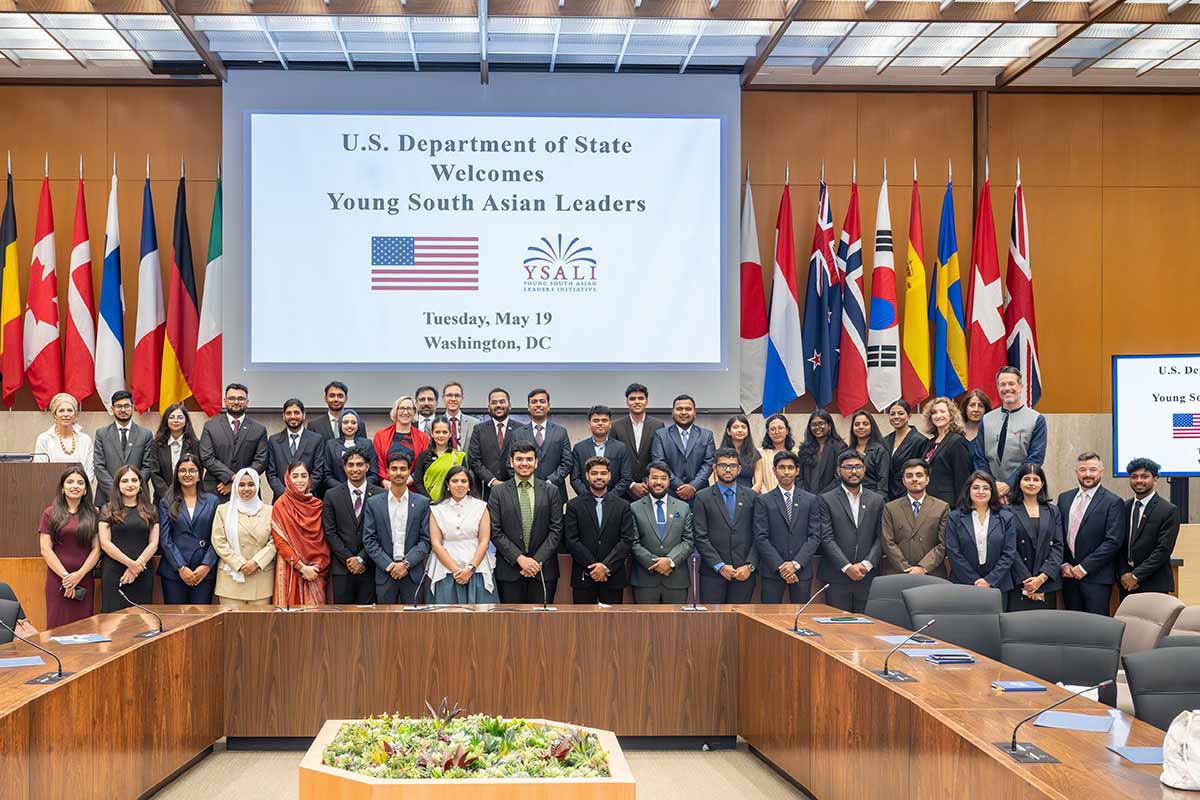
Department of State visit in Washington, D.C.
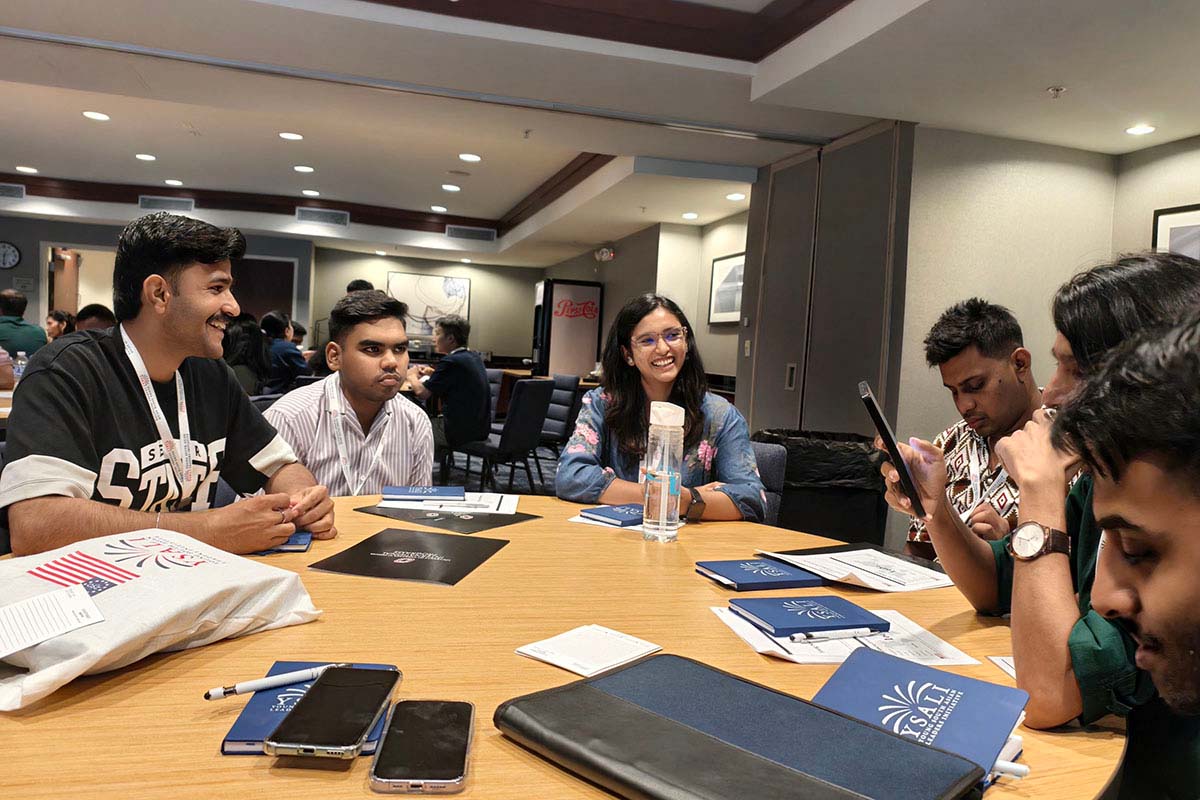
Participants network and share feedback with each other.
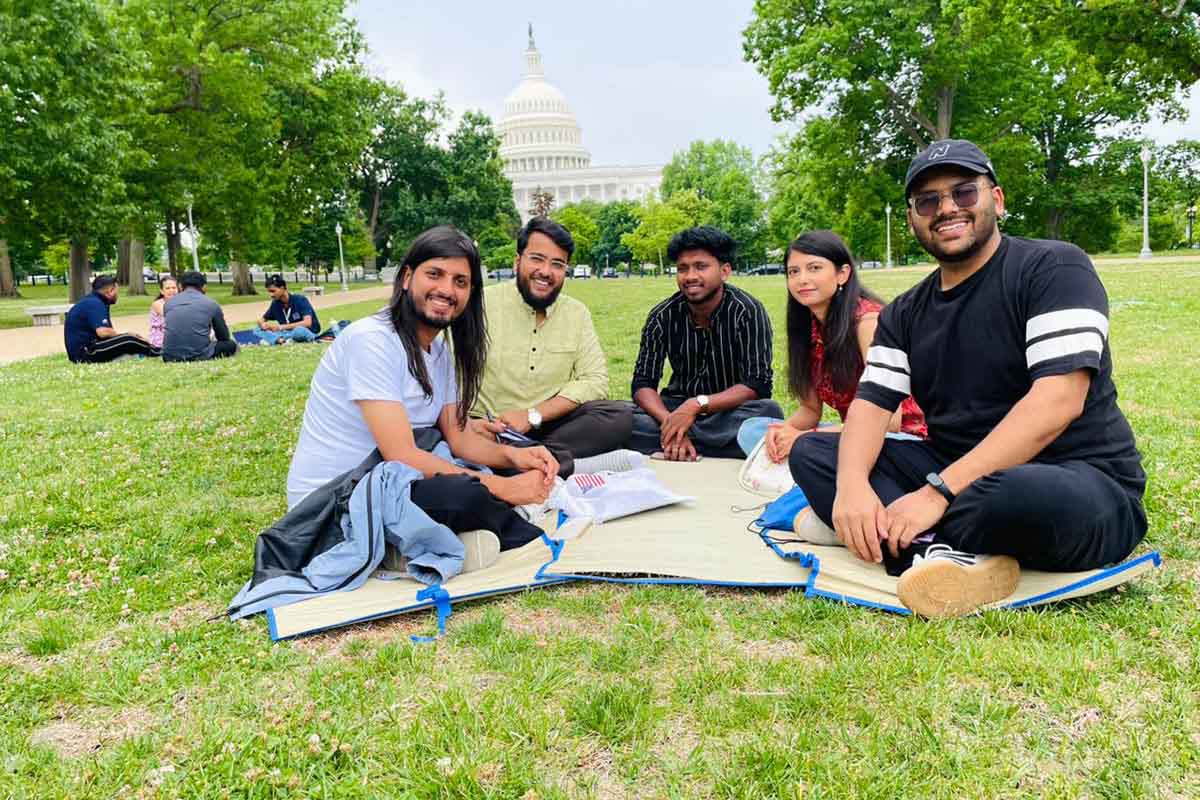
Discussion circles on the U.S. Capitol lawn.
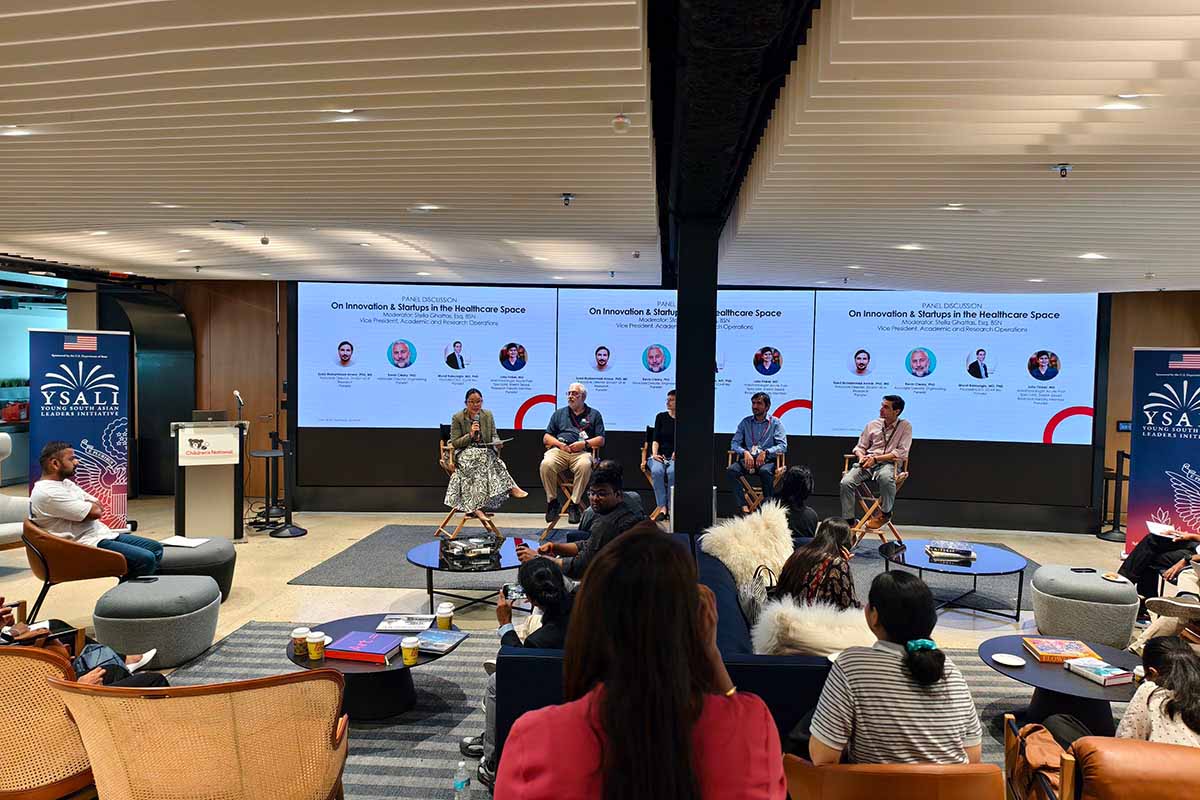
The East-West Center hosted the group for a panel on Innovation and Digital Freedom.
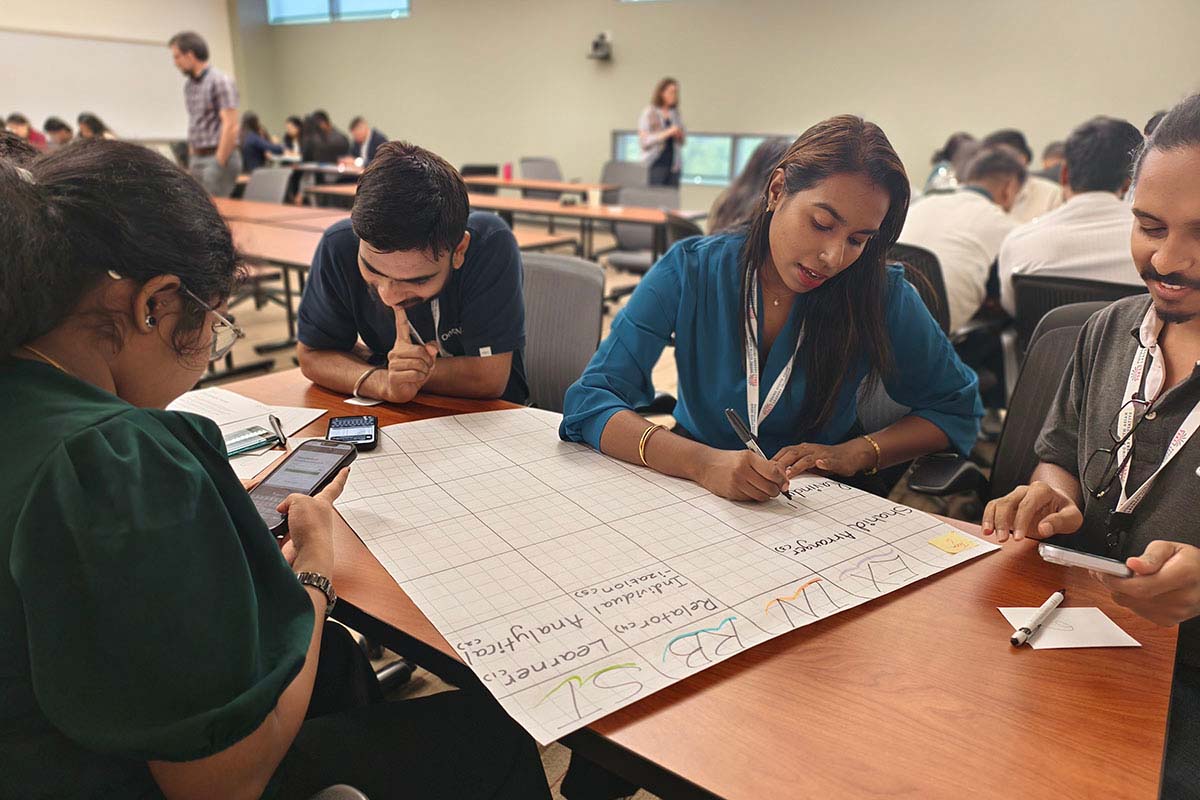
Participants worked together during a Gallup Strengths Seminar.
Participants visited the National Children's Hospital.
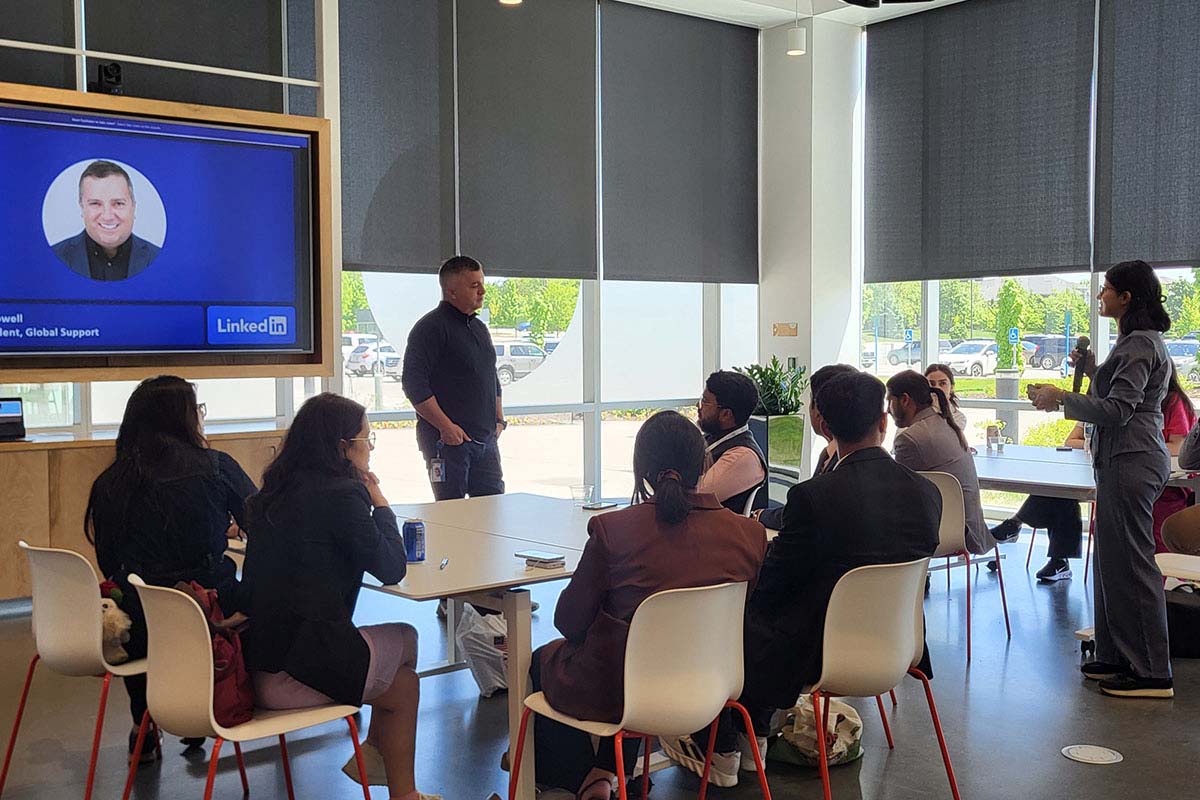
The YSALI participants visited the Omaha LinkedIn Campus.
Participants also found inspiration in the personal journeys of the leaders they met.
"During a session with the Arlington business community, I met a highly successful corporate lawyer who chose to leave a comfortable, established career behind to start an enterprise completely from scratch," said Khashif Sarfraz of Pakistan. "It taught me that resetting your path to realign with your values is a mark of true leadership. It is completely okay to pivot, start from the ground up, and redefine your trajectory."
Throughout the workshops, participants collaborated in multinational peer leadership circles developing Action Plans that address challenges facing their communities, including youth empowerment, entrepreneurship, education, and economic development. The development and implementation of Action Plans will continue after participants return home.
For many participants, the workshops expanded their understanding of entrepreneurship beyond starting businesses.
"That idea fundamentally reshaped how I think about entrepreneurship—not simply as building successful companies, but as building institutions that solve meaningful problems and create lasting value for society," reflected Abdur Rehman Shamsi of Pakistan.
As participants departed Washington, D.C., they returned home with more than new professional skills. They carried with them a broader understanding of how innovation, collaboration, and leadership can create lasting impact—and a network of peers across South Asia committed to turning those ideas into action.
The YSALI U.S. Summer Workshops continue to strengthen partnerships between the United States and South Asia by equipping emerging leaders with the knowledge, relationships, and inspiration to address challenges in their communities and build a more innovative future. As part of the program, participants visit U.S. businesses, universities, and community organizations, where they exchange ideas with American counterparts, learn about U.S. approaches to innovation and entrepreneurship, and share firsthand perspectives on South Asian markets and communities. These interactions help U.S. hosts deepen their understanding of the region, expand their international networks, and identify new avenues for collaboration and business growth, while reinforcing the United States’ role as a trusted partner for South Asia’s next generation of leaders. Learn more about YSALI here.