

YSALI Alumni Impact: Empowering Sri Lankan Youth through Art
After participating in the YSALI November 2025 regional workshop in Dhaka, Bangladesh, alumnus Sajana Helanjith returned to his local village of Pujapitiya in Kandy, Sri Lanka ready to empower youth in their own creative entrepreneurial ventures and share his love of local art methods.
- published: 2026/08/07
- contact: Charity Stahl - International Programs
- phone: 402.554.2933
- email: world@unomaha.edu
- search keywords:
- YSALI
- Alumni
- Center for Afghanistan and Regional Studies
- East-West Center
- Sri Lanka
- Art
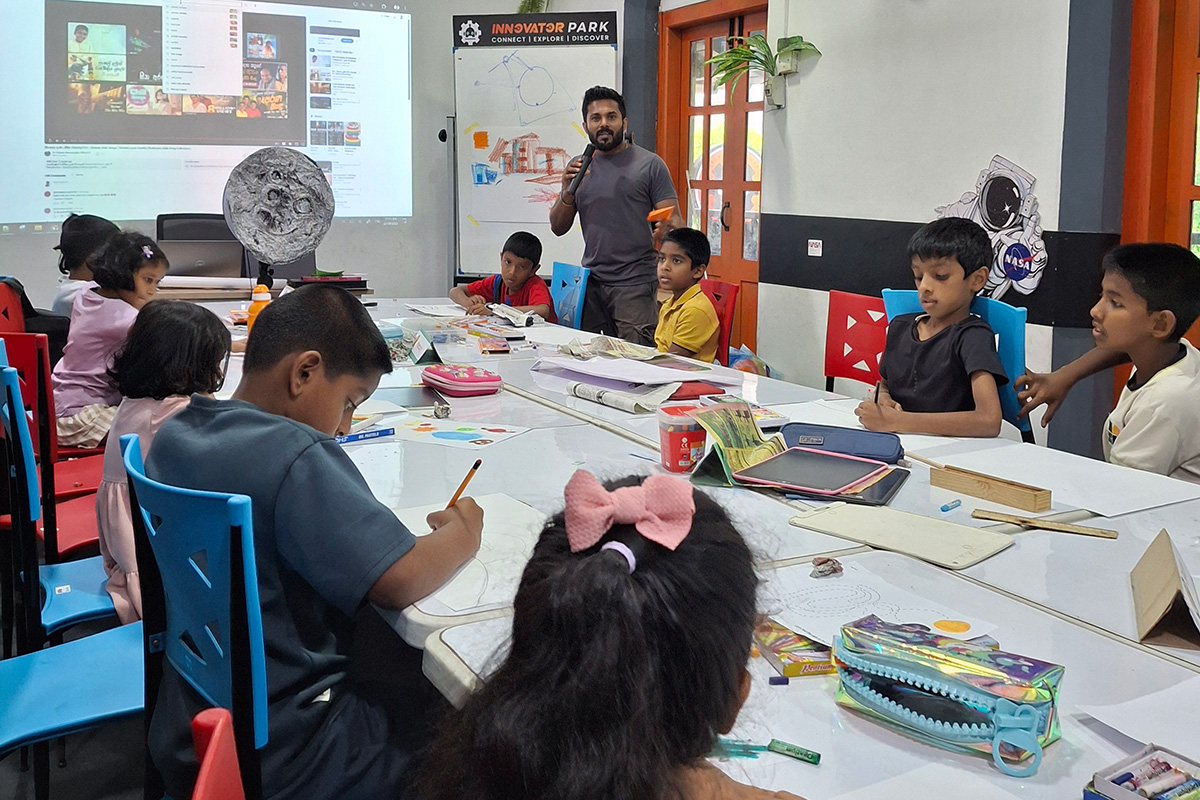
The Young South Asian Leaders Initiative (YSALI) is proud to see workshop alumni making impacts in their local communities. Alumnus Sajana Helanjith, returned to his local village of Pujapitiya in Kandy, Sri Lanka to empower youth in their own creative entrepreneurial ventures and share his love of local art methods.
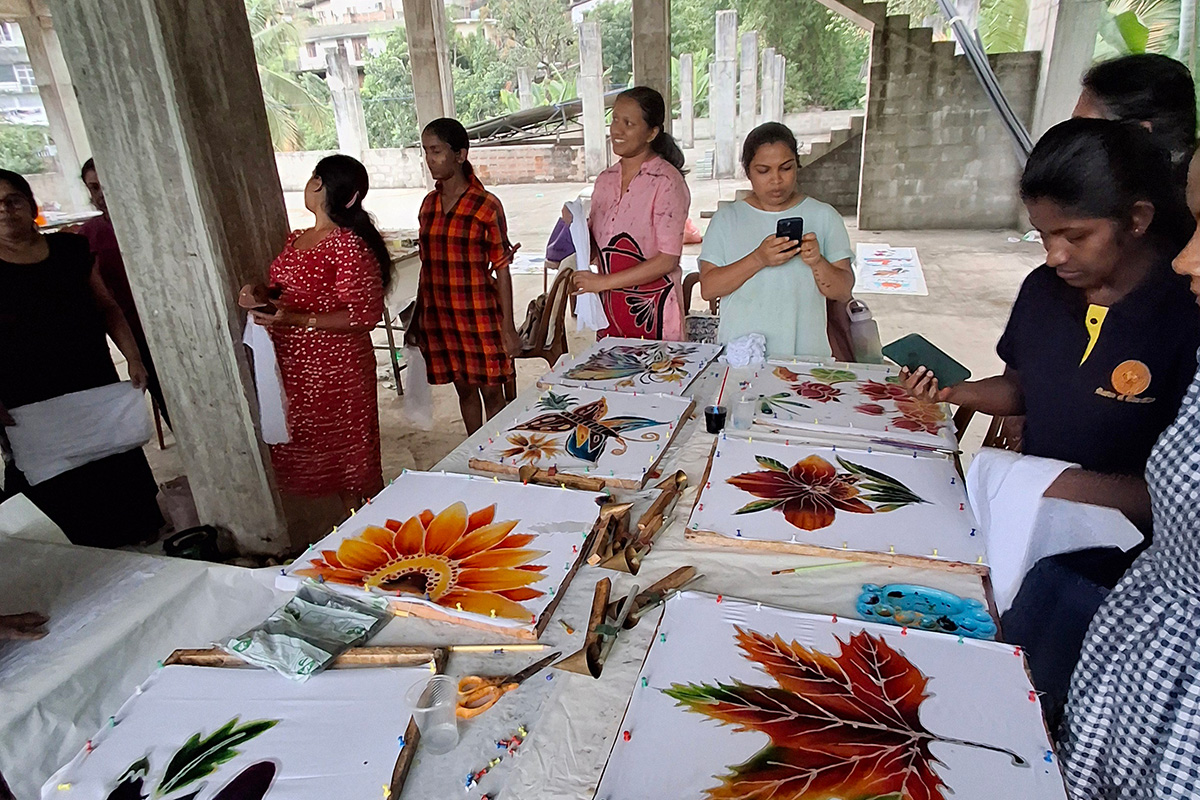
Locals in Sri Lanka learn about art methods from the region.
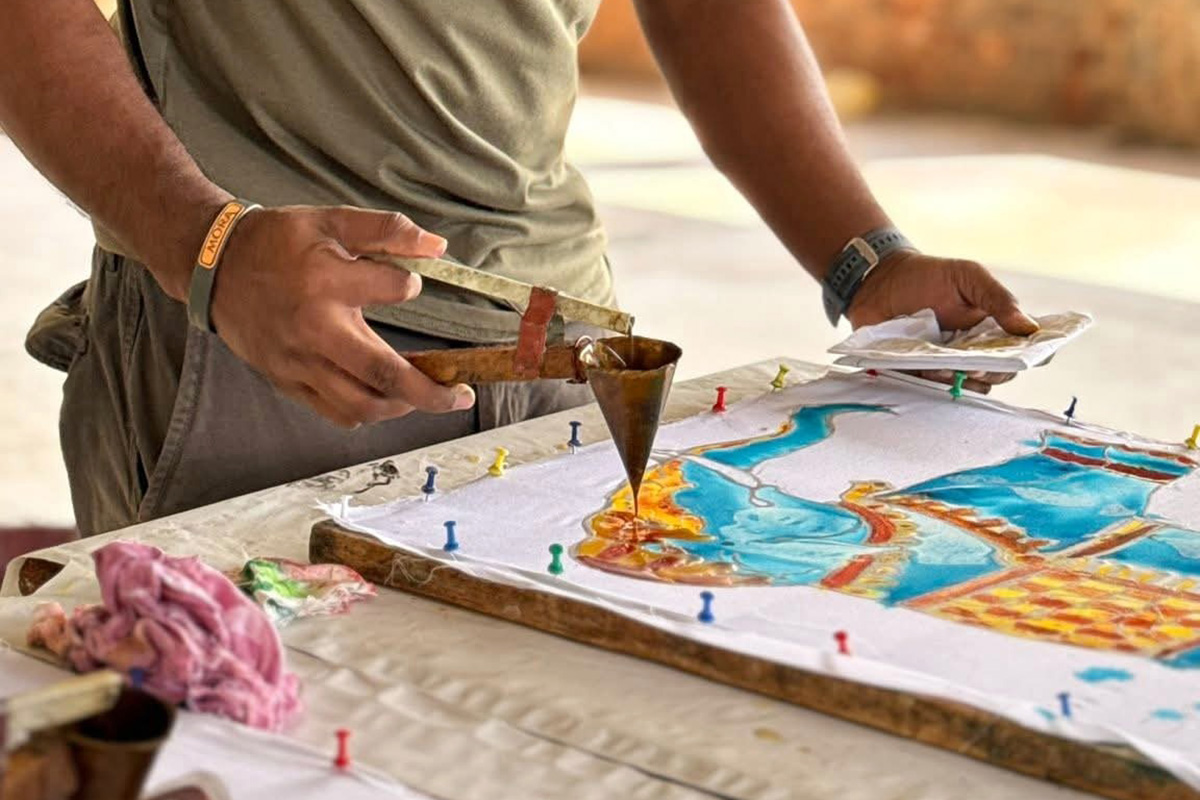
YSALI alumnus, Sajana Helanjith, demonstrates a local art technique.
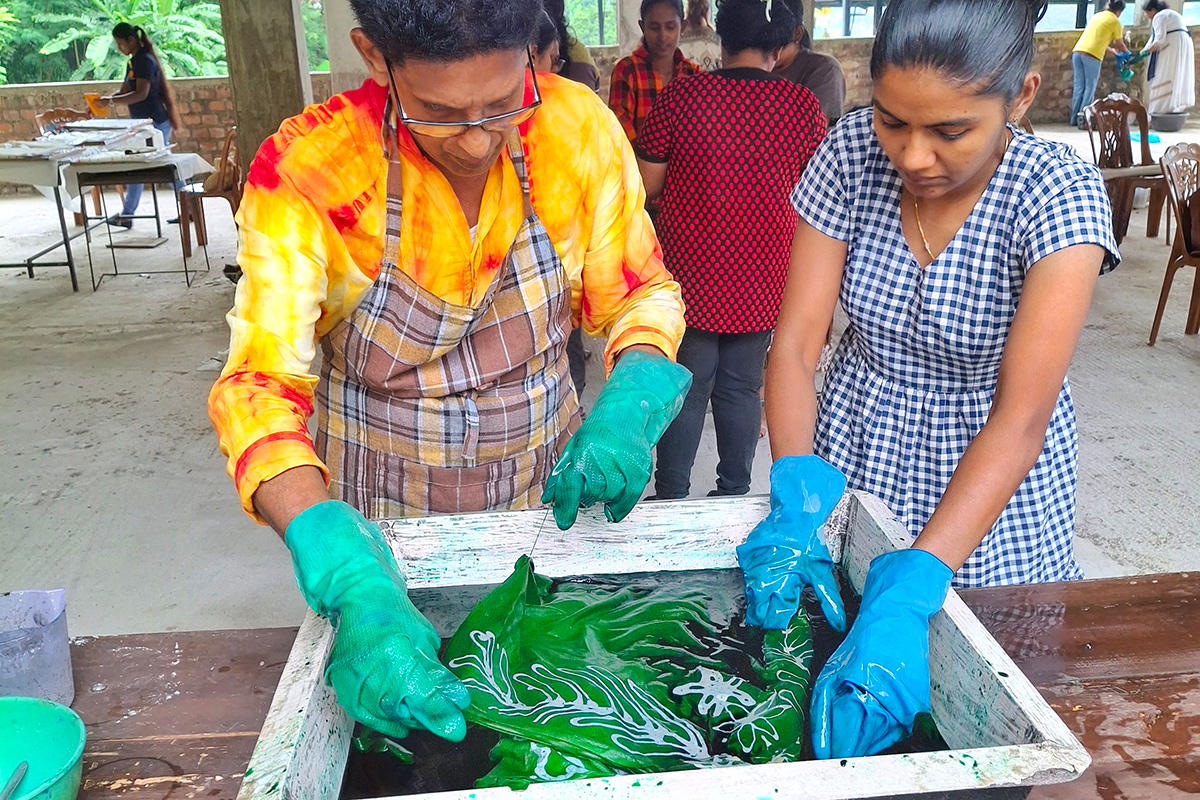
A Sri Lankan woman practices local art technique.
Post-workshop action plans are implemented by workshop alumni across South Asia. Planning and implementing projects help to empower youth to solve shared challenges, collaborate, and impact their communities. This article highlights the impact of Sajana Helanjith who participated in the YSALI November 2025 regional workshop in Dhaka, Bangladesh.
YSALI is implemented by the University of Nebraska’s Center for Afghanistan and Regional Studies in collaboration with the East-West Center and sponsored by the U.S. Department of State’s Bureau of South and Central Asian Affairs.
Skills Training for Young Entrepreneurs, Cross-Border Collaboration, and Expanding Opportunities
Sajana saw a need among talented rural youth and wanted to empower them to transform their creativity into opportunity. Youth in rural areas of Sri Lanka face limited access to creative education and entrepreneurship opportunities. Sajana’s project equipped these youth with practical skills in design, sustainable fashion, digital marketing, and entrepreneurship. Sajana organized the first Batik training workshop at Bosco Space in Kandy.
Fifteen rural youth participated in the hands-on program, which received enthusiastic support from the local community. Several parents volunteered during the workshop, demonstrating a shared commitment to helping young people access new opportunities and foster their artistic abilities. Participants also benefited from a mentoring session conducted in partnership with American Corner Kandy, introducing them to leadership development and professional growth opportunities.
Sajana partnered across borders with fellow YSALI participant, Princy Shah from India, to identify affordable, high-quality raw materials making future workshops possible and sustainable. A second Batik workshop was held with 22 youth which included advanced training not only in Batik production but also in digital marketing strategies helping them build sustainable businesses with minimal startup capital. Participants learned traditional and contemporary techniques, including fabric waxing, Batik dyeing, Javanese Batik methods, natural dyeing processes, and bleach art.
Connecting Traditional Arts with Modern Technology
A distinctive feature of the project was its integration of traditional craftsmanship with digital innovation. Participants were introduced to American technologies and digital tools that could help them market and sell their products online.
Workshops demonstrated how artificial intelligence tools such as ChatGPT, Gemini, and Nano Banana could support content creation, customer engagement, branding, and marketing efforts. Participants also learned how to create websites, manage social media platforms, and explore opportunities through online marketplaces, including Amazon Handmade.
Creating New Entrepreneurs and New Partnerships
One of the initiative's most significant achievements has been its direct contribution to youth entrepreneurship. Four participants successfully launched their own small-scale Batik businesses. These young entrepreneurs are now generating income while building recognition for their designer Batik products. The project continues to expand and partner with a variety of local artistic centers, including a local weaving center. Youth are finding new pathways toward financial independence.
"Seeing young people transform newly acquired skills into sustainable businesses has been one of the most rewarding outcomes of this initiative," Sajana reflected.
New partnerships are helping to build educational opportunities. Sajana is an active member of the National Youth Council in Kandy and president of Swarnamegha Youth Club in Pujapitiya. He used these platforms to partner with local leaders. For example, with support from Village Development Officer Mr. Sanka and the Chief Monk of Udumuduna Sri Purwaramaya Temple, weekly Sunday art classes were organized for 38 schoolchildren between the ages of 12 and 18.
Additional partnerships strengthened the initiative's reach. Working with Mr. Ranjan Kulathunga at Innovator Park in Kandy, Sajana helped organize STEAM (Science, Technology, Engineering, Arts, and Mathematics) workshops that introduced students to illustration, design thinking, and 3D design technologies.
The results were impressive with numerous participating students who went on to win provincial and all-island art competitions, demonstrating both increased confidence and enhanced creative skills.
Lasting Impact
Sajana’s post-YSALI action plan directly benefited more than 75 young individuals across the Kandy region. Perhaps most importantly, the initiative illustrates how international exchange programs like YSALI create ripple effects far beyond the workshop experience itself.
By applying the knowledge gained through YSALI, building partnerships across borders, and partnering with local community leaders, alumni are helping young people unlock their potential and create lasting change.