

YSALI Alumni Impact: Youth-Led Action for Change in South Asia
After attending regional leadership workshops, YSALI alumni are ready to take action and make impacts in their local communities. Months later, classrooms, communities, and crisis-affected areas across South Asia are benefiting from alumni who are resolved to make a difference. Each action plan tells a different story, but together they reflect a shared belief: change begins locally, but its impact can ripple far beyond.
- published: 2026/03/24
- contact: Charity Stahl - International Programs
- phone: 402.554.2293
- email: world@unomaha.edu
YSALI Alumni Impacting Local Communities Across South Asia
YSALI Alumni Impacting Local Communities Across South Asia
YSALI Alumni Impacting Local Communities Across South Asia
YSALI Alumni Impacting Local Communities Across South Asia
YSALI Alumni Impacting Local Communities Across South Asia
YSALI Alumni Impacting Local Communities Across South Asia
YSALI Alumni Impacting Local Communities Across South Asia
This article highlights the action plans of seven alumni who attended the Young South Asian Leaders Initiative (YSALI) workshop in Colombo, Sri Lanka in August 2025. YSALI is implemented by the University of Nebraska’s Center for Afghanistan and Regional Studies in collaboration with the East-West Center and sponsored by the U.S. Department of State’s Bureau of South and Central Asian Affairs.
India
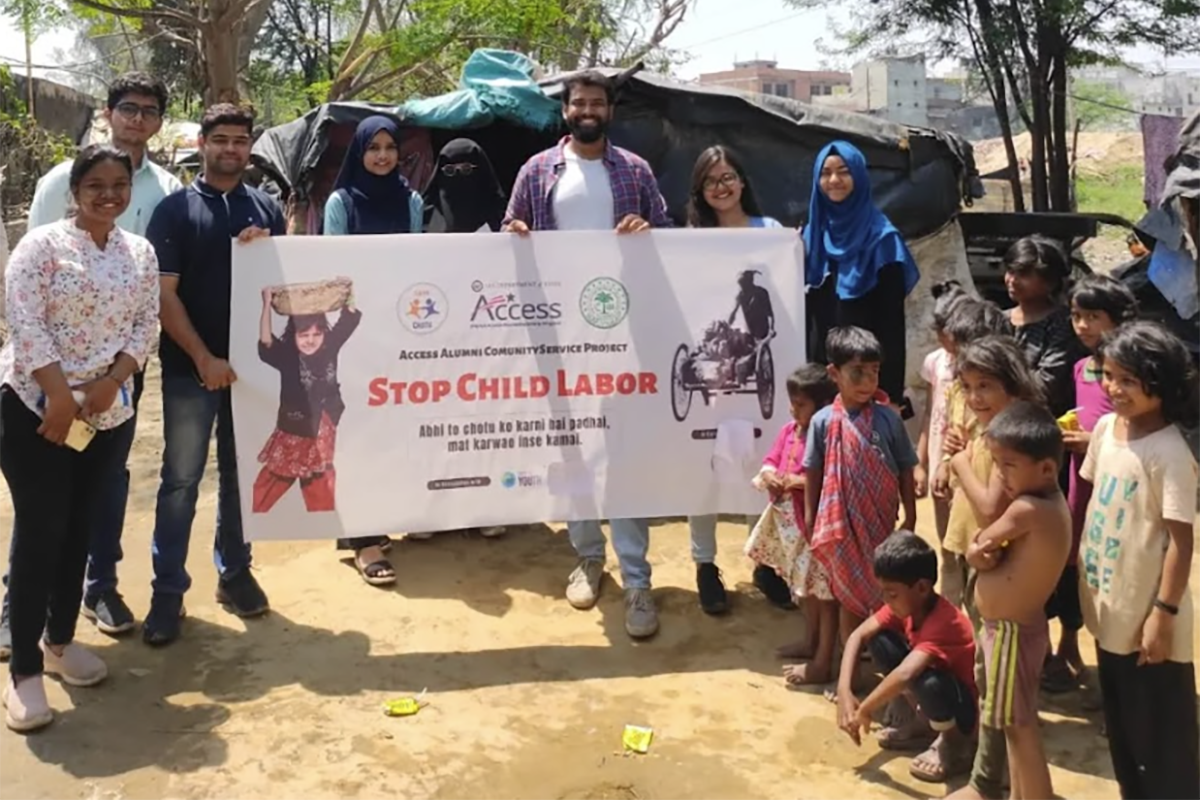
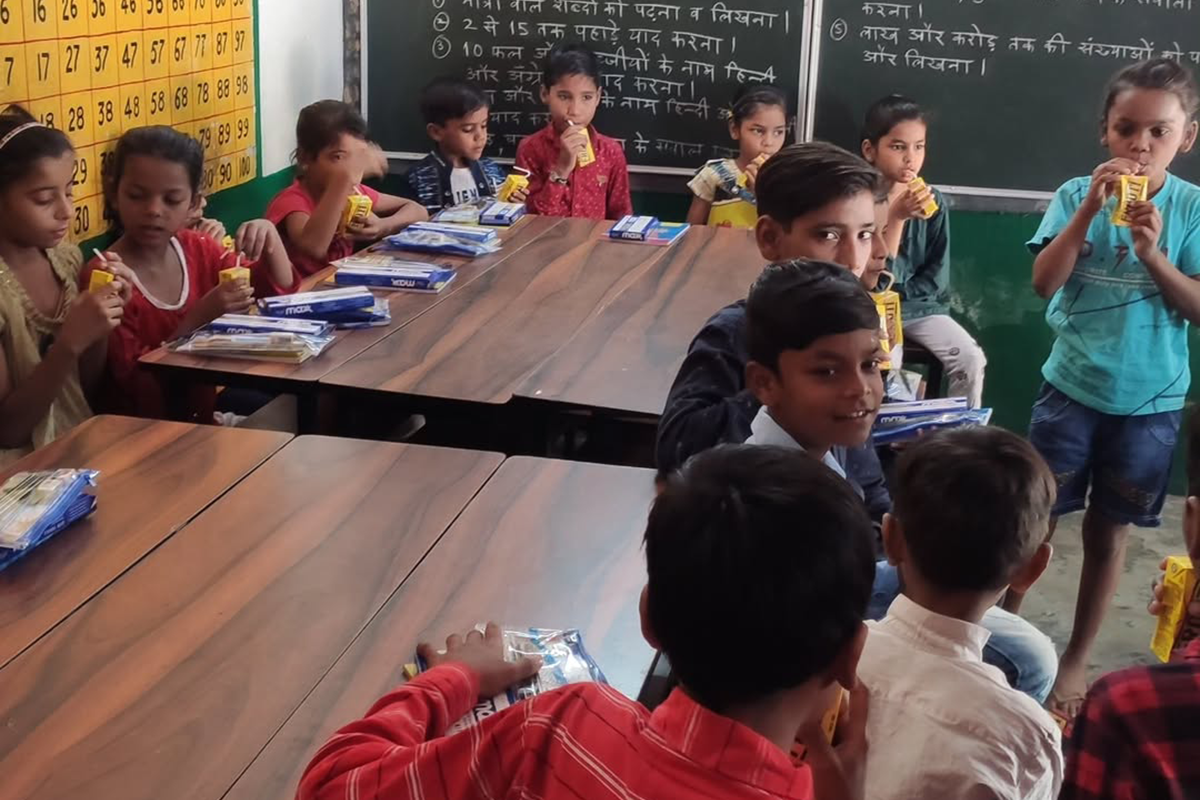
Mohd Anas — Project “SAVE CHOTU”
In the urban slums of Aligarh, childhood is often shaped by economic necessity. For many families, survival depends on every member contributing—including children. Mohd Anas set out to challenge that reality.
Through Project “SAVE CHOTU,” he worked directly with families to shift perspectives around education and child labor. His approach was not confrontational, but relational—building trust, listening to concerns, and offering practical pathways to schooling.
“The most tangible outcome was the successful enrollment of 27 children from slum communities into formal schooling — children who were previously engaged in informal labor or were entirely excluded from education.”
But the work was not easy. Convincing families to give up a source of income required persistence and empathy.
“For many families, the children were contributing members of the household income, and enrolling them in school meant a direct loss of financial support.”
Still, change began to take root—one family, one child at a time. What started as outreach became a growing network of awareness and support.
Reflection
“This experience strengthened my belief that community engagement and persistence can bring real change.”
Sai Charan Tharmani — Project SHIKSHA
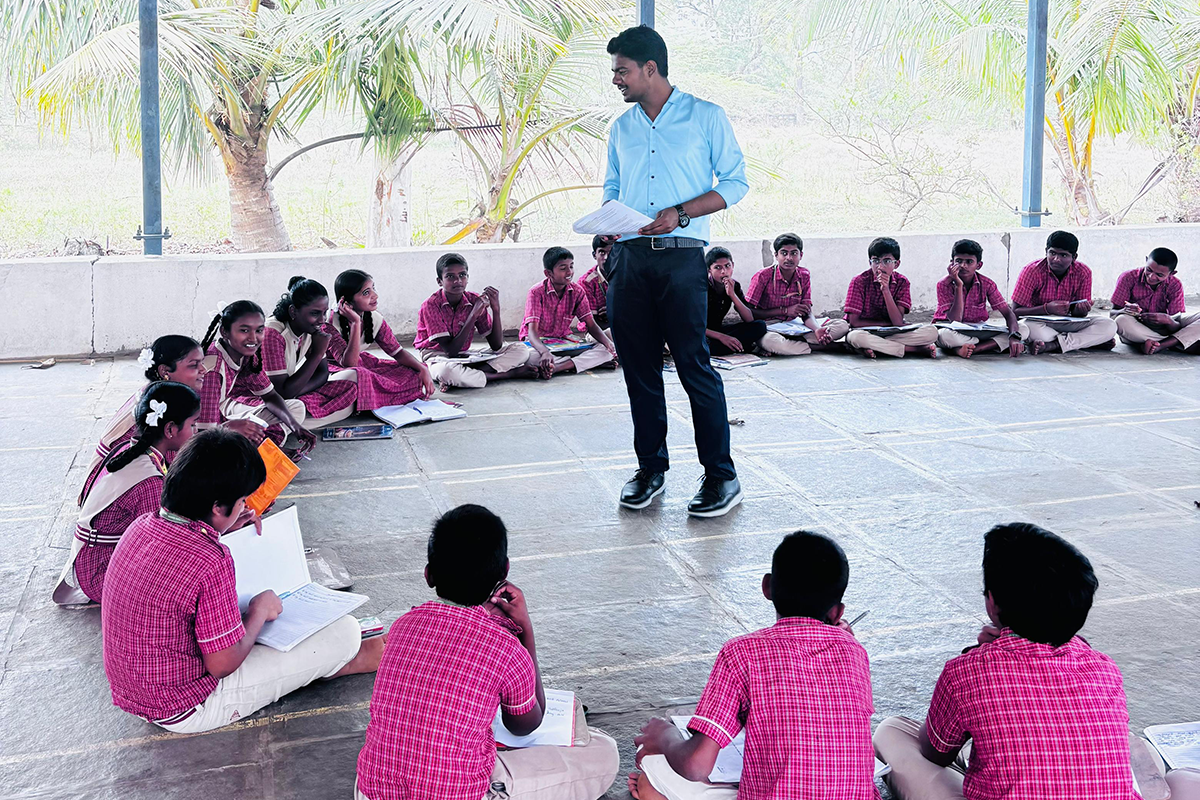
In a rural school in Telangana, communication itself was the barrier. Students spoke Banjara at home, while English—the language of opportunity—felt distant and unfamiliar.
Sai Charan Tharmani stepped into this gap with Project SHIKSHA, creating a space where students could experiment with language without fear. Through reading exercises and interactive sessions, he helped students see English not as a subject, but as a tool.
“My project has impacted around 40 students. As a result, the students now have an idea about how language is crucial in communication.”
The challenge was constant: bridging linguistic and cultural divides in a way that felt accessible.
“The real challenge for me is the language barrier…”
Yet, over time, confidence replaced hesitation. Students began to participate more actively, discovering their voices in a new language.
Nepal
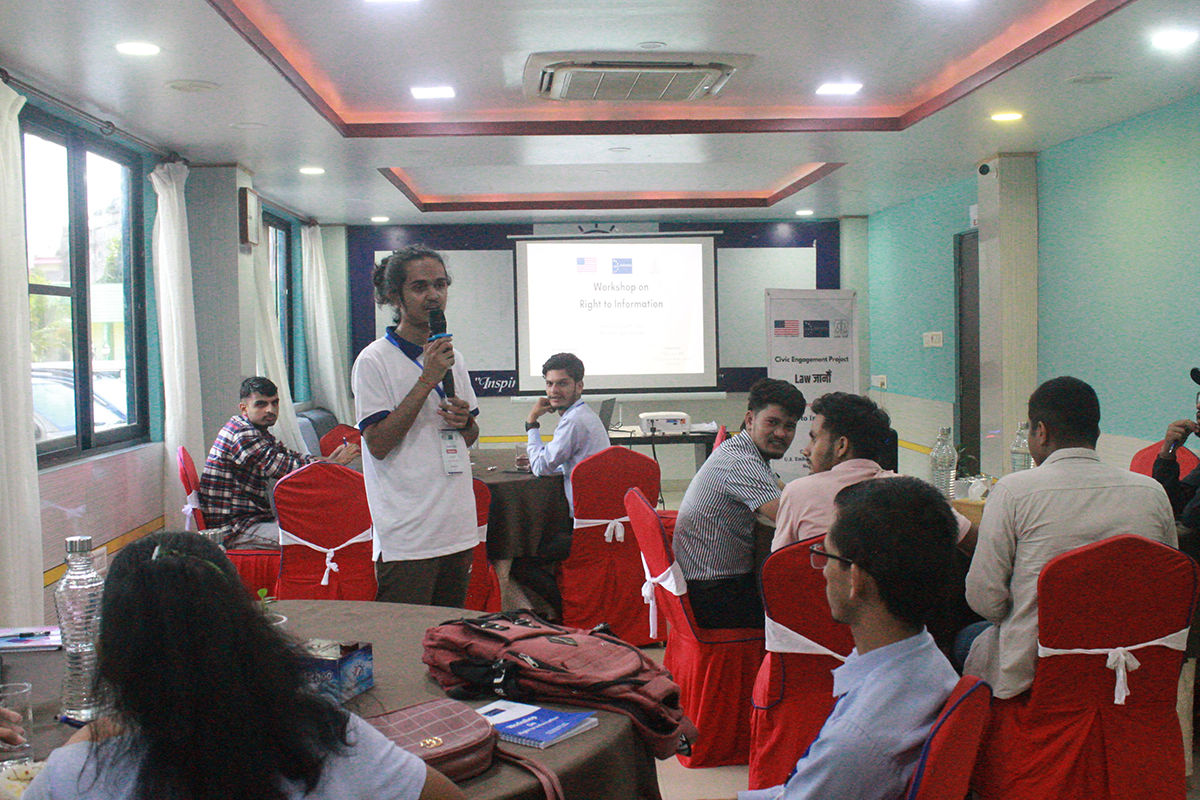
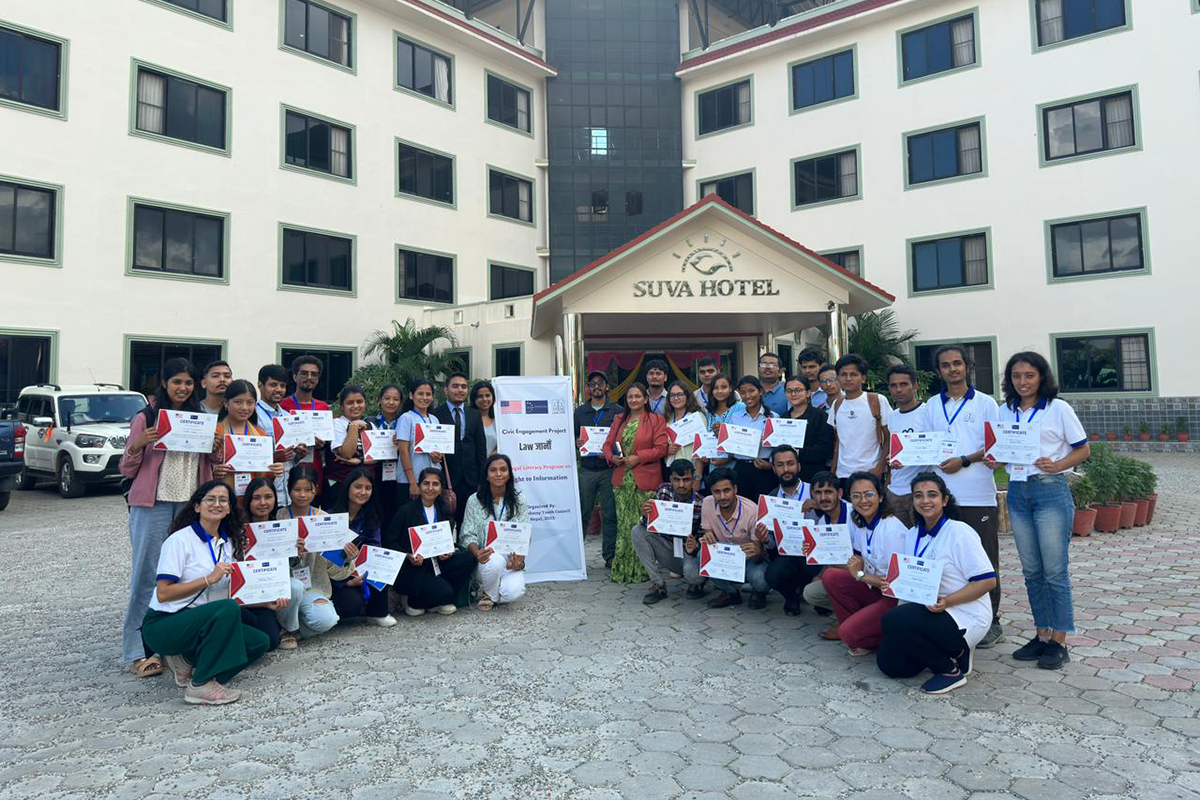
Yatish Ojha — Law जानौँ (Law Jaanau)
For Yatish Ojha, the goal was simple but powerful: make the law understandable.
Through Law Jaanau, he worked to break down complex legal concepts into practical knowledge that young people could use in their daily lives. The initiative expanded beyond its original base, reaching new communities through collaboration and shared learning.
“The broader impact has been the extension of the Law Jaanau model beyond Surkhet…”
But progress came with setbacks. When funding fell through, the future of the project seemed uncertain.
“My initial reaction was discouragement…”
Instead of stopping, Yatish adapted. The project evolved—not as originally planned, but as something more flexible and scalable.
Reflection
“Even with challenges, I realized that the idea itself has power and can grow beyond limitations.”
Puspa Das — Mental Health Awareness Initiative
In a classroom in Nepal, what began as a simple awareness session quickly became something deeper.
As Puspa Das introduced conversations around mental health, students began to open up—sharing experiences that are often left unspoken.
“We highlighted what is mental health, why is it important…”
What emerged was not just awareness, but vulnerability.
“They shared about their struggles in their life and some even admitted that they feel like nothing is left.”
The session became a safe space—one where students felt seen, heard, and supported. In a context where stigma often silences these conversations, that alone was a meaningful shift.
Pakistan
Malaika Azam — Empowering Educators Through Cultural Competence
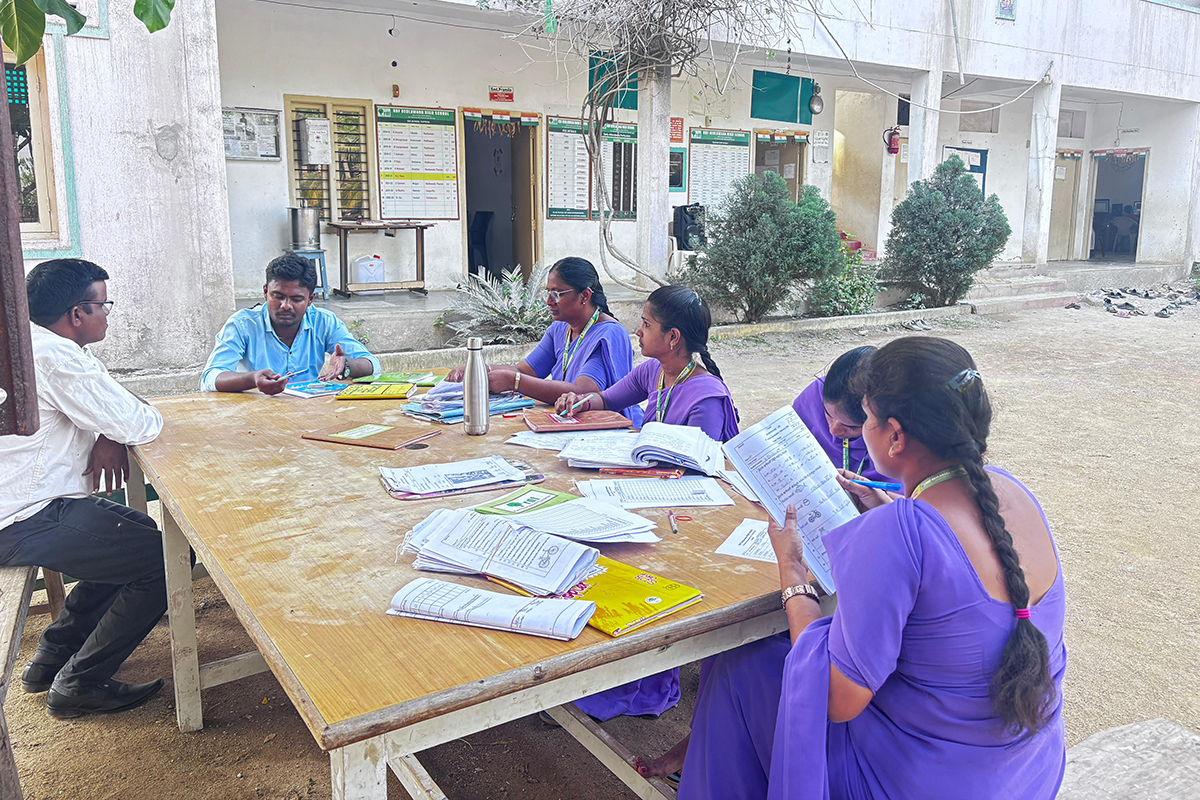
In Balochistan, Malaika Azam set out to strengthen education by focusing on those at its core: teachers. Her action plan aimed to build intercultural competence among educators, helping them create more welcoming and effective learning environments.
But when funding challenges arose, the plan had to change.
“A major challenge during my action plan was the lack of funding…”
Instead of scaling back, Malaika expanded outward. She redirected her efforts toward broader youth engagement, reaching thousands of students through workshops, counseling, and training.
“I continued youth engagement activities across Balochistan, reaching 3,000+ students…”
What could have been a limitation became an opportunity to grow impact in a different direction.
Reflection
“This journey helped me grow as a leader and showed me how to adapt and continue despite obstacles.”
Sri Lanka
Lughadarini Yogaraja — Meals of Hope
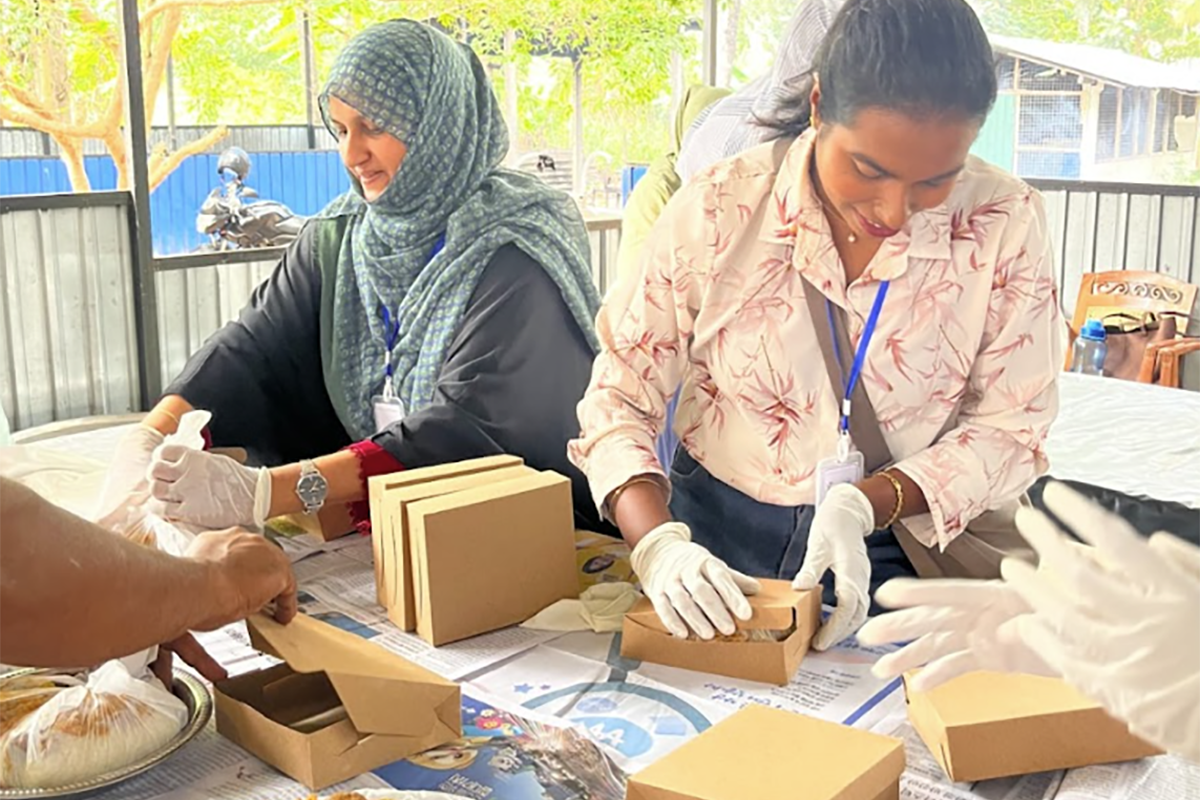
When floods hit vulnerable communities in Sri Lanka, the need was immediate and urgent. Lughadarini Yogaraja responded with action.
Through Meals of Hope, she mobilized volunteers and resources to deliver over 2,000 meals to affected families. The work required coordination under pressure, often in areas difficult to access.
“The impact of the project was both humanitarian and social it provided urgent relief…”
Logistics posed constant challenges.
“Coordinating logistics and timely food distribution… was difficult.”
Yet what stood out most was not just the relief provided, but the sense of unity that emerged.
Reflection
“It was inspiring to see how people came together to support each other in difficult times.”
Nazhath Asaff — Voices Beyond Barriers
In classrooms across Sri Lanka, Nazhath Asaff saw a different kind of barrier—one rooted in confidence and opportunity.
Through Voices Beyond Barriers, she created reading clubs and peer-learning spaces where students could practice English, share ideas, and express themselves freely.
“We established Reading Clubs in selected secondary schools…”
Students came from diverse backgrounds, with varying levels of confidence and ability.
“Students came from different educational and social backgrounds…”
By fostering supportive environments, the project helped students find their voices—sometimes for the first time.
Reflection
“The experience showed me the importance of creating opportunities where every voice matters.”
Conclusion: A Shared Commitment to Action
Across South Asia, these stories reveal a common thread: leadership is not defined by resources, but by resilience, creativity, and commitment. The YSALI impact continues to grow as more alumni return home to their communities with vision, purpose, and a wider network of support.
Each alum faced challenges—funding gaps, cultural barriers, logistical constraints. Yet each chose to move forward, adapt, and lead.
What began in Colombo as a shared learning experience has evolved into something much greater: a network of action, driven by individuals who are shaping change in their own communities—and, collectively, across the region.