

Teaching Excellence, Lasting Impact
UNO’s Pakistani alumni of the TEA program are making a difference for their communities.
- published: 2025/12/18
- contact: Charity Stahl - International Programs
- phone: 402.554.2293
- email: world@unomaha.edu
- search keywords:
- Pakistan
- TEA
- Teacher Education
- Alumni Stories

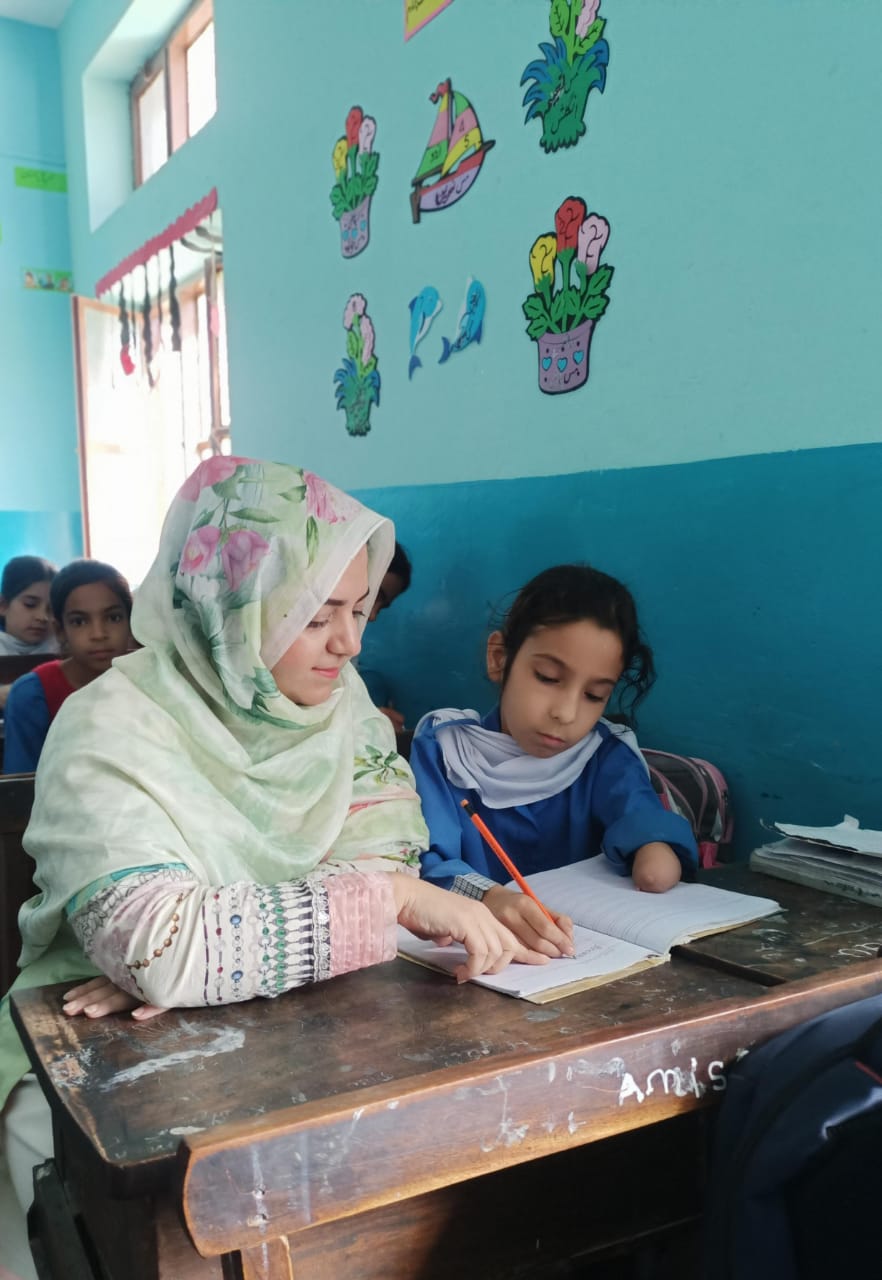
The Teaching Excellence and Achievement (TEA) Program, sponsored by the U.S. Department of State and hosted by the University of Nebraska’s Center for Afghanistan and Regional Studies, was an international exchange initiative that brought together outstanding secondary-level teachers from across Pakistan for academic and professional development. Through immersive training at the University of Nebraska at Omaha, participants engaged in workshops related to best practices in teaching English language, leadership seminars, classroom observations, and cultural exchange. Over the course of two years (2022-2024), a total of 186 Pakistani teachers participated in this program. Since returning to their home country, the Center for Afghanistan and Regional Studies has kept in touch with them, watching them becoming agents of positive change in their communities and for their students.
Across Pakistan, TEA alumni are redefining what it means to be an educator. Through innovation, collaboration, and community engagement, they are transforming classrooms into inspiring places of creativity and growth. Their journeys reflect the enduring legacy of the TEA Program and the power of education to create lasting transformation.
Sehar Naveed in Sindh: Uplifting Educators Through Knowledge Sharing
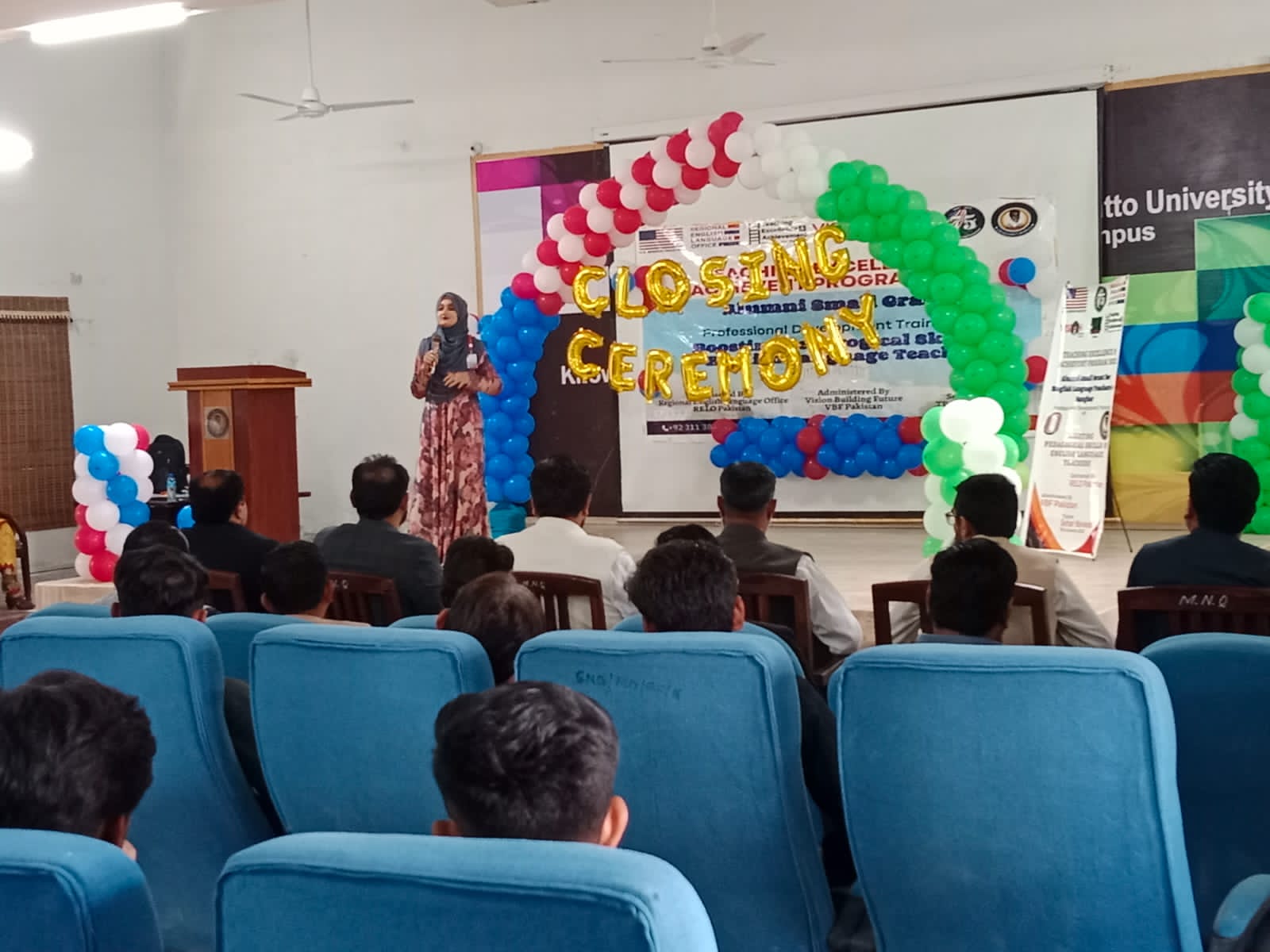
When Sehar Naveed returned from the TEA Program, she brought home more than new teaching strategies—she carried a vision for collective growth. Fueled by the confidence and international perspective gained through the program, Sehar used a TEA Alumni Small Grant to lead professional development workshops for English language teachers in underserved areas of Pakistan.
Her sessions focused on innovative teaching methods, technology integration, and inclusive education practices focused on reaching all students, empowering local educators who previously had little access to training. The ripple effect has been profound—teachers have reported better student engagement and renewed enthusiasm for their profession. “The TEA program gave me the global perspective, network, and resources to envision this training for fellow educators. Without my TEA experience, it would not have been possible,” Sehar shared.
Naeema Shah in Balochistan: Encouraging Learning Through Creativity
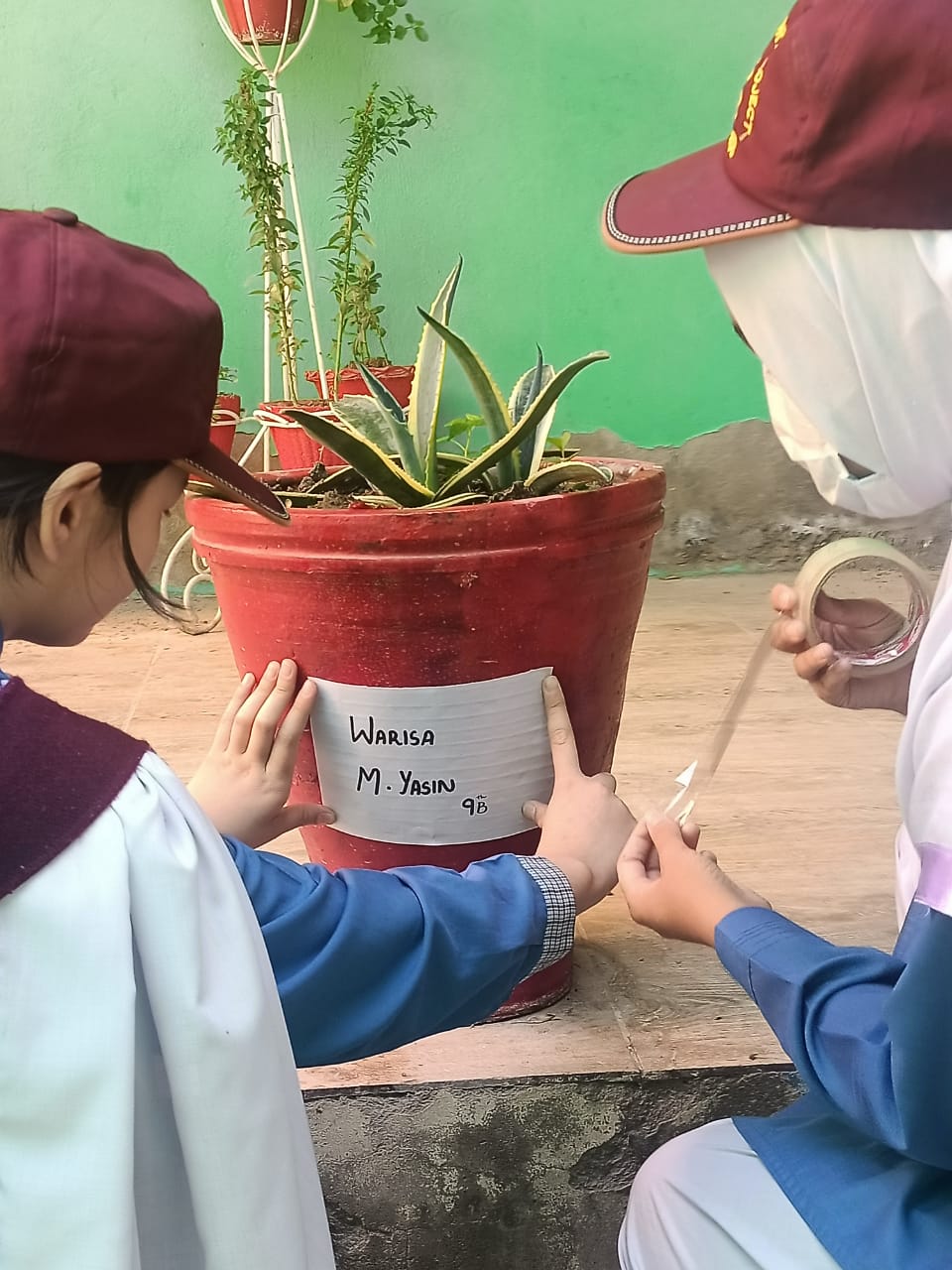
For Naeema Shah, the TEA experience was a turning point. Teaching English as a third language in an under-resourced environment had always been challenging—but through her time at the University of Nebraska Omaha, she discovered tools and frameworks that transformed her classroom. She now integrates Bloom’s Taxonomy, Universal Design for Learning, and mobile-assisted language learning into her lessons, encouraging creativity and learning for all. Naeema’s students—many from disadvantaged backgrounds—are thriving, showing greater confidence in reading and speaking English. Beyond academics, she launched the Green Life Project, where her Grade 9 and 10 students each nurture a plant, earning marks and recognition for their care. “It’s more than an environmental project,” Naeema explains. “It’s about responsibility, growth, and pride.” Her story reflects how TEA alumni merge educational innovation with community values.
Bhajan Lal in Sindh: Inspiring Collaboration and Community Service
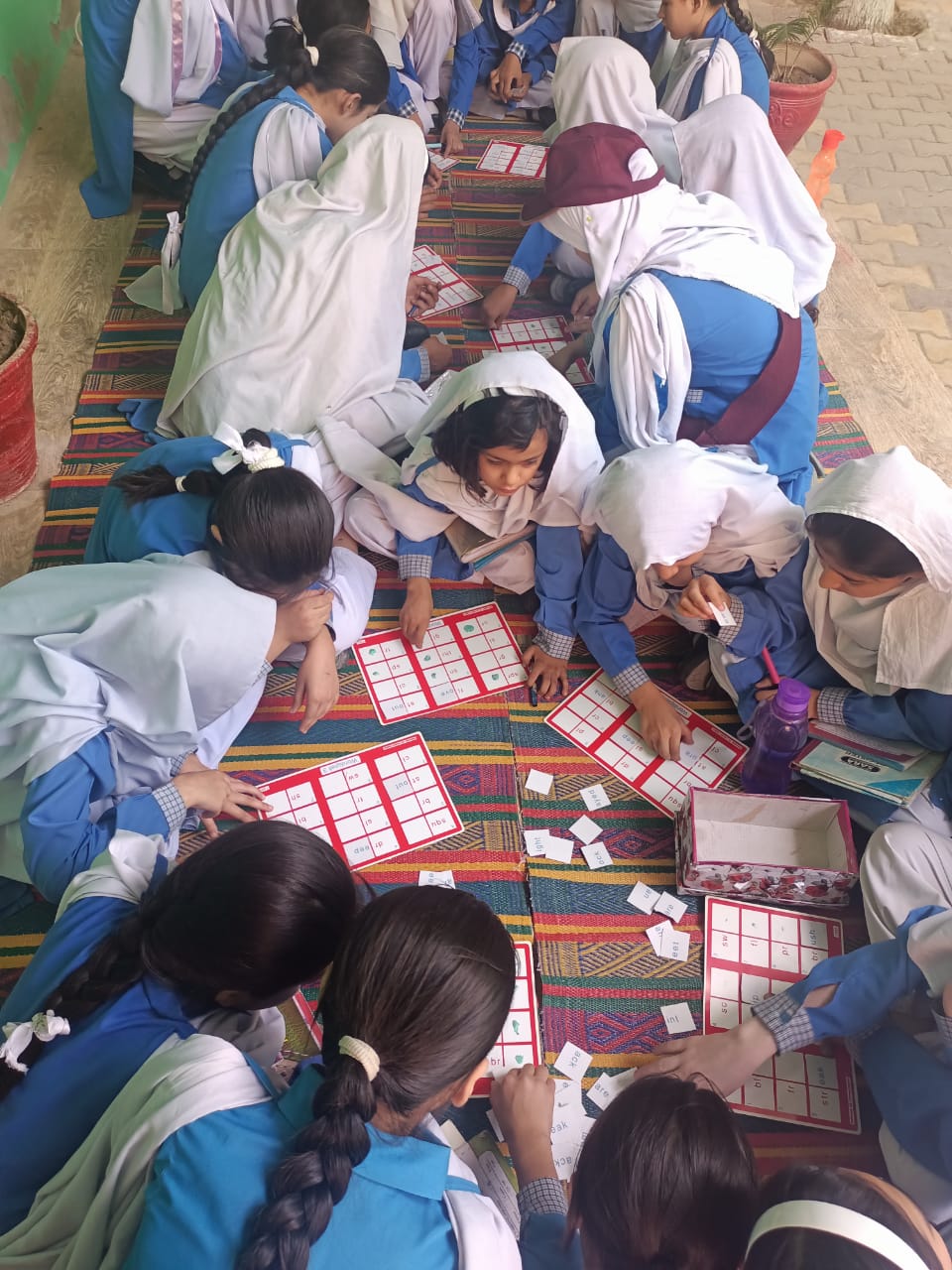
Bhajan Lal, a TEA 2022 alumnus, has turned inspiration into action. Reinvigorated by his experience at the University of Nebraska Omaha, he introduced project-based learning in his English classes, encouraging students to explore lessons through multimedia projects that enhance both language and digital literacy. He also established a teacher collaboration network, enabling colleagues to share best practices and resources—an embodiment of the TEA spirit of professional growth through collaboration. Beyond his school walls, Bhajan launched a literacy initiative for underprivileged children, where students volunteer to teach reading and writing skills. Through this, he’s cultivating both education and empathy. “The TEA Program empowered me to be a change agent,” he reflects. “Its impact continues to echo in every lesson and every life we touch.”
A Ripple Effect Across Pakistan
Together, Sehar, Naeema, and Bhajan represent the powerful legacy of TEA alumni across Pakistan—educators who lead not just with knowledge, but with purpose. Their initiatives are transforming classrooms, empowering teachers, and nurturing communities. It is accurate to say that entire generations will benefit because of the TEA program and the dedication of TEA educators who are never giving up on the best futures for their students and communities.