

Expanding Nebraska’s Behavioral Health Workforce through a Community Counseling Clinic Training Model
A new counseling clinic training model aims to expand student enrollment, strengthen workforce readiness, and serve high-need communities across the state.
- published: 2026/05/06
- contact: Academic Affairs
- email: academic.affairs@unomaha.edu
- search keywords:
- behavioral health
- counseling
- workforce shortage
- student training
- clinic
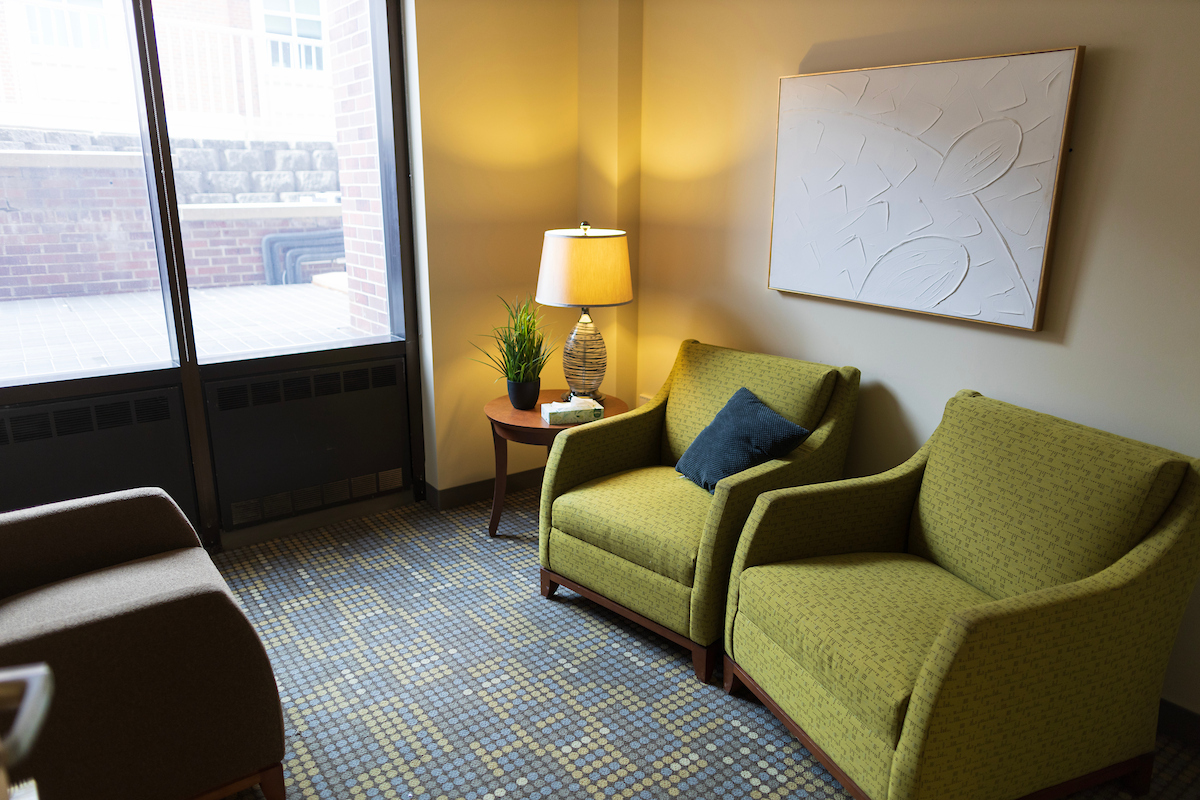
The University of Nebraska at Omaha (UNO) is taking a major step to address Nebraska’s behavioral health workforce shortage with a newly funded initiative designed to expand student training and community impact.
🎯 Project Focus
The project will launch the Community Counseling Clinic Training Model (CCCTM), an innovative, community-based approach to expand counselor training and improve client outcomes across the state. Led by Ashley J. Blount, PhD, in UNO’s Counseling Department, the initiative is supported by a Weitz Innovation and Excellence Fund award.
💡 Why it matters:
Nebraska faces a significant shortage of behavioral health providers.
- 88 of 93 counties are designated shortage areas
- Nearly one-third have no behavioral health provider
- 33.8% of adults report symptoms of anxiety or depression
The need is clear: more trained professionals and faster pathways to get them into the workforce.
🚀 Key Initiatives
CCCTM reimagines how counseling students are trained by embedding real-world clinical experiences into community settings.
- Partnership-driven: UNO Counseling will collaborate with Metropolitan Community College (MCC) to place clinics directly on MCC campuses.
- Expanded capacity: The model addresses a key bottleneck; nearly 47% of qualified applicants were denied admission in recent cycles due to limited training space.
- Hands-on learning: Students will receive structured, competency-based training focused on clinical skills, cultural responsiveness, and wellness.
- Community impact: Clinics will serve high-need communities while building a stronger behavioral health pipeline.
CCCTM reflects UNO’s commitment to serving as a metropolitan university that drives workforce development, community engagement, and student success.
By combining academic training with real-world application, the program supports UNO’s strategic priorities to:
- Educate all learners through experiential opportunities
- Strengthen community partnerships
- Address workforce and economic development needs
It also positions UNO as a leader in innovative, trauma-informed behavioral health education at both the state and national levels.
⚡ What’s next:
By year two, the program aims to:
- Add new practicum sections across UNO and MCC sites
- Enroll additional counseling students
- Train more than 50 graduate-level counseling trainees
- Demonstrate measurable gains in student competencies and client outcomes