

Game Day’s Hidden Cost: UNO Study Tracks Crime Shifts Around Stadiums
A new multi-city study finds theft and assault spike near stadiums on game day—but not at the same time. Ever noticed how a big game can shift the energy of a city? New research from the University of Nebraska at Omaha shows it can also shift local crime patterns.
- published: 2026/05/11
- contact: Amber Evenson - College of Public Affairs and Community Service
- email: unocpacs@unomaha.edu
➡️ What’s new:
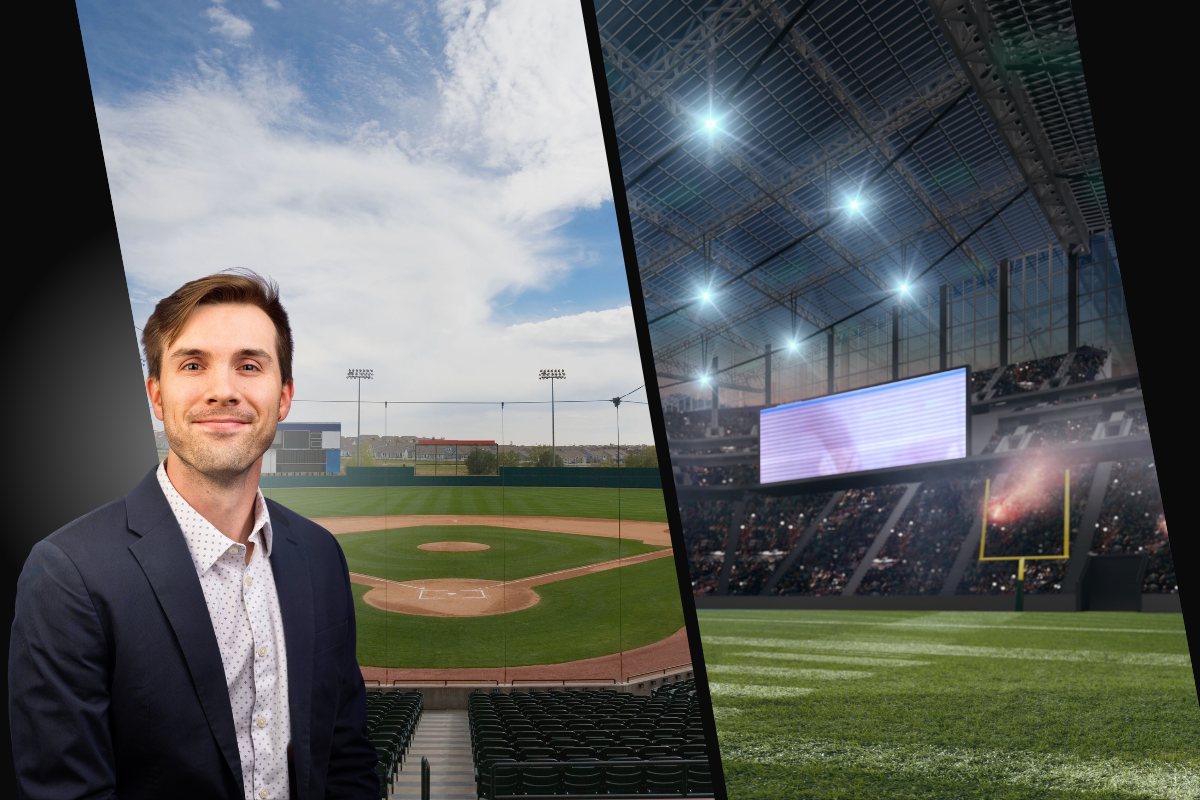
A newly published study, “Prime Time for Crime? A Multi-City Analysis of Sporting Events, Sports Venues, and Crime,” by Travis M. Carter, Ph.D., Richard K. Moule, Jr., Ph.D., and Jedidiah Knode, examines how major sporting events shape crime in surrounding areas.
Led by Carter, assistant professor in UNO’s School of Criminology and Criminal Justice, the multi-city analysis finds that larceny and assault increase within one kilometer of MLB and NFL stadiums during home games. Drawing on data from 21 U.S. cities between 2015 and 2023, the research offers a detailed look at how game-day crowds influence crime patterns near stadiums.
💡 Why it matters:
Major sporting events draw tens of thousands of fans—along with opportunities for crime. Understanding when and where crime occurs can help cities, law enforcement, and venue operators better plan for safety, staffing, and prevention strategies.
This research highlights a broader reality: large gatherings can amplify risks tied to crowd size, alcohol consumption, and heightened emotions.
🔎 Zoom in:
Not all crime follows the same playbook.
- Larceny (theft) spikes before and after games, as crowds gather and disperse.
- Assault is more likely during and after games, when alcohol consumption and emotional intensity peak.
The takeaway: different crimes follow different timelines, driven by distinct “opportunity structures.”
📈 By the numbers:
- 21 U.S. cities analyzed
- MLB and NFL games included
- 2015–2023 data window
- 1-kilometer radius around stadiums studied
🎤 What they’re saying:
Travis Carter, Ph.D., UNO School of Criminology and Criminal Justice:
“Sporting events create predictable shifts in routine activity. When large crowds gather, opportunities for both property crime and interpersonal violence increase—but not in the same way or at the same time.”
🌎 The big picture:
This study reflects UNO’s commitment to pragmatic research that improves communities. By uncovering real-world crime patterns, UNO researchers are helping cities develop smarter, data-driven public safety strategies—advancing the university’s mission to transform lives through impactful discovery.
⚡ What’s next:
See the data for yourself—explore what was collected around the stadiums and what it shows.
Carter’s work features an interactive data storytelling tool that maps crime patterns near stadiums across 21 cities—before, during, and after game day. The findings point to a clear trend: crime near stadiums isn’t random. It increases on home game days, driven by large crowds and shifting activity patterns, with the greatest impact on nearby neighborhoods.
For cities and venues, that insight matters. Stadiums often rely on public funding—and with measurable increases in public safety demands, the data adds a new layer to how communities evaluate costs, policing strategies, and event planning.
👉 Explore the interactive data story:
“The Hidden Cost of Hosting” breaks down these patterns in a way that’s visual, accessible, and easy to navigate.
Dive into the data: https://www.viprlab.org/visualizations/hidden-cost-of-hosting
Whether you’re a fan, policymaker, or community member, the tool puts the data at your fingertips.