

UNO Celebrates 30 Years of Ph.D. in Public Administration, Explores Future of Public Service in Turbulent Times
From pandemic disruption to AI-driven change, UNO convenes experts to examine what’s next for effective, ethical public service.
- published: 2026/04/23
- contact: Amber Evenson - College of Public Affairs and Community Service
- email: unocpacs@unomaha.edu
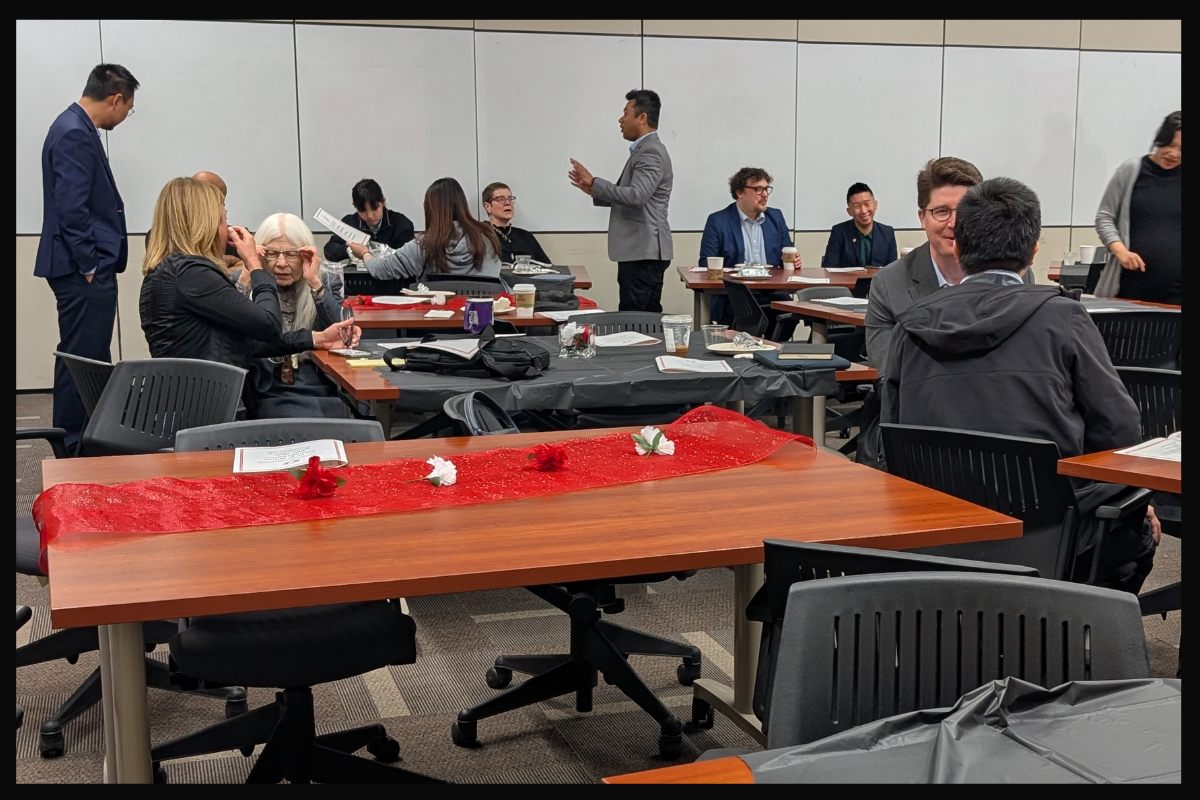
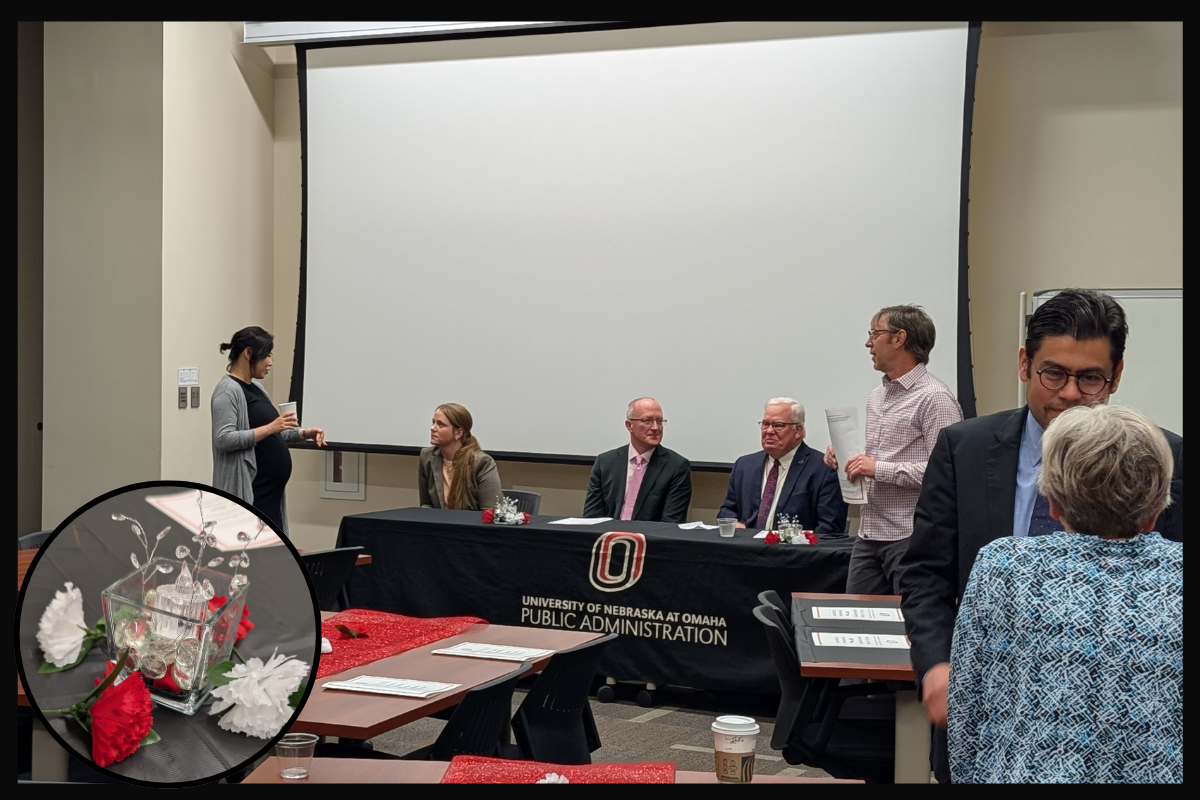
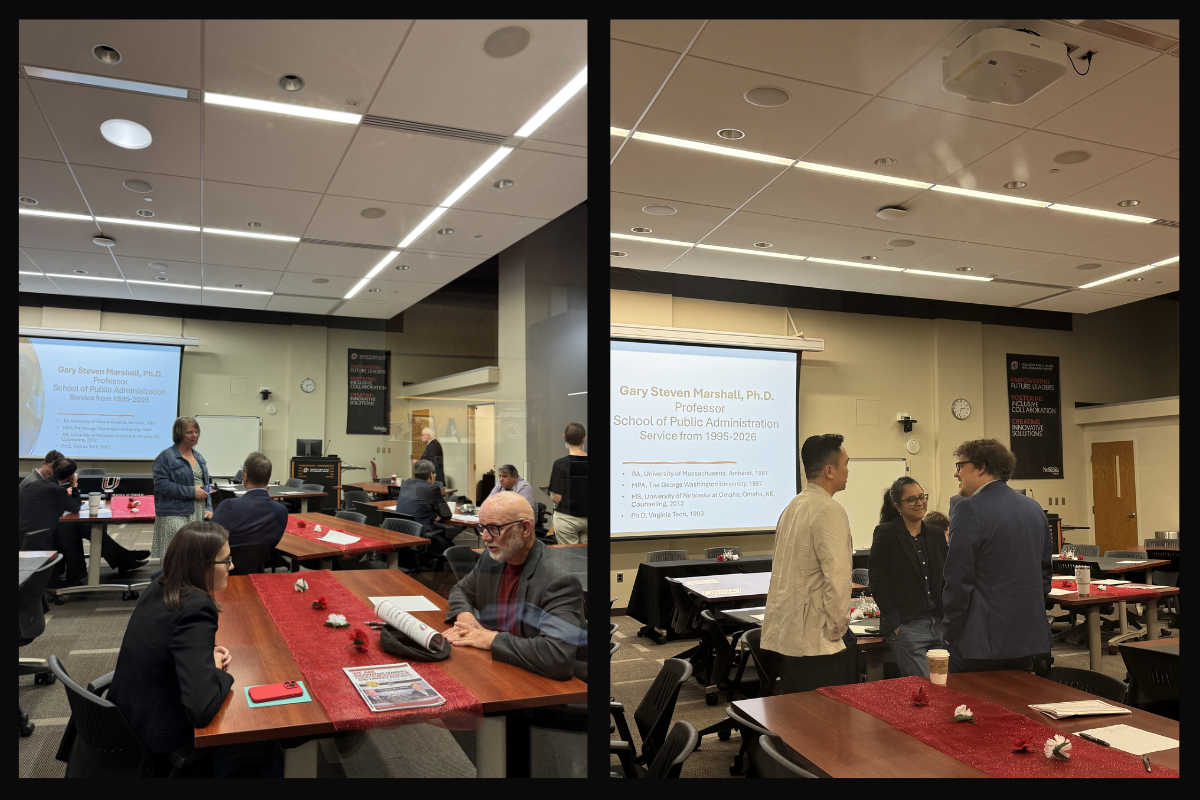
OMAHA, Neb. — The University of Nebraska at Omaha (UNO) is marking a major milestone: the 30th anniversary of its Ph.D. in Public Administration program—an initiative that has shaped leaders, advanced research, and strengthened public service since its founding in 1995.
For three decades, UNO’s doctoral program has prepared scholars and practitioners to not only understand public systems, but improve them—advancing evidence-based policy, strengthening democratic governance, and serving communities with integrity.The anniversary celebration brought together faculty, students, alumni, and community partners under a timely theme:
“The Future of Public Administration in Turbulent Times—Understanding and Enhancing Public Service Amid COVID-19, Political Uncertainty, and AI Technologies.”
The event highlighted the people behind the program’s impact, including two faculty members from the program’s first graduating class—Dr. Rebecca Lutte, a tenured professor in UNO’s Aviation Institute, and Dr. Lyn M. Holley, Dr. Chuck Powell Professor in Gerontology—alongside alumni who traveled from as far as South Korea to attend. Attendees also recognized Dr. Chris Reed for sharing the program’s rich history and Dr. John Bartle for his foundational role in establishing the doctoral program, particularly in elevating its national and international reputation in budgeting and finance.
Additional participants included:
• Faculty driving forward-thinking research
• Students fueling innovation through curiosity and commitment
• Alumni leading across government, nonprofits, and academia
• Staff and partners ensuring meaningful, real-world impact
While the milestone honors past achievements, the focus is firmly on the future.
In recent years, public administration has faced unprecedented disruption:
- The COVID-19 pandemic reshaped service delivery and government operations
- Political polarization tested public trust and institutional stability
- The rise of artificial intelligence (AI) is transforming decision-making, communication, and governance
These are not gradual changes. They are structural shifts redefining the field.
At its core, public administration serves as a bridge—connecting theory to practice, data to decision-making, and innovation to ethics. UNO’s doctoral program equips leaders to navigate that complexity with clarity and purpose.
Key questions driving the conversation:
- How can public leaders navigate uncertainty while upholding democratic values?
- How can AI and emerging technologies enhance—rather than undermine—equity and accountability?
- How can institutions sustain public trust in a rapidly evolving information landscape?
Panel discussions during the celebration explored critical areas shaping the future of the field:
- Technology in Public Administration: AI, digital governance, and data-driven service delivery
- Turbulence in Practice: Crisis management, budget instability, and post-COVID governance
- Applied Innovation: Using emerging tools and research methods to inform policy decisions
- Future of Education: Preparing the next generation of public servants with a focus on technology, equity, and resilience