

Dancing Into New Connections: Dance Program Brings Confidence and Community to Adults with Disabilities
A UNO study finds that adapted dance classes, like the Across the Floor program, help adults with intellectual and developmental disabilities build social skills, confidence, and meaningful connections through movement and creativity.
- published: 2026/03/04
- contact: Giselle Miranda - College of Public Affairs and Community Service
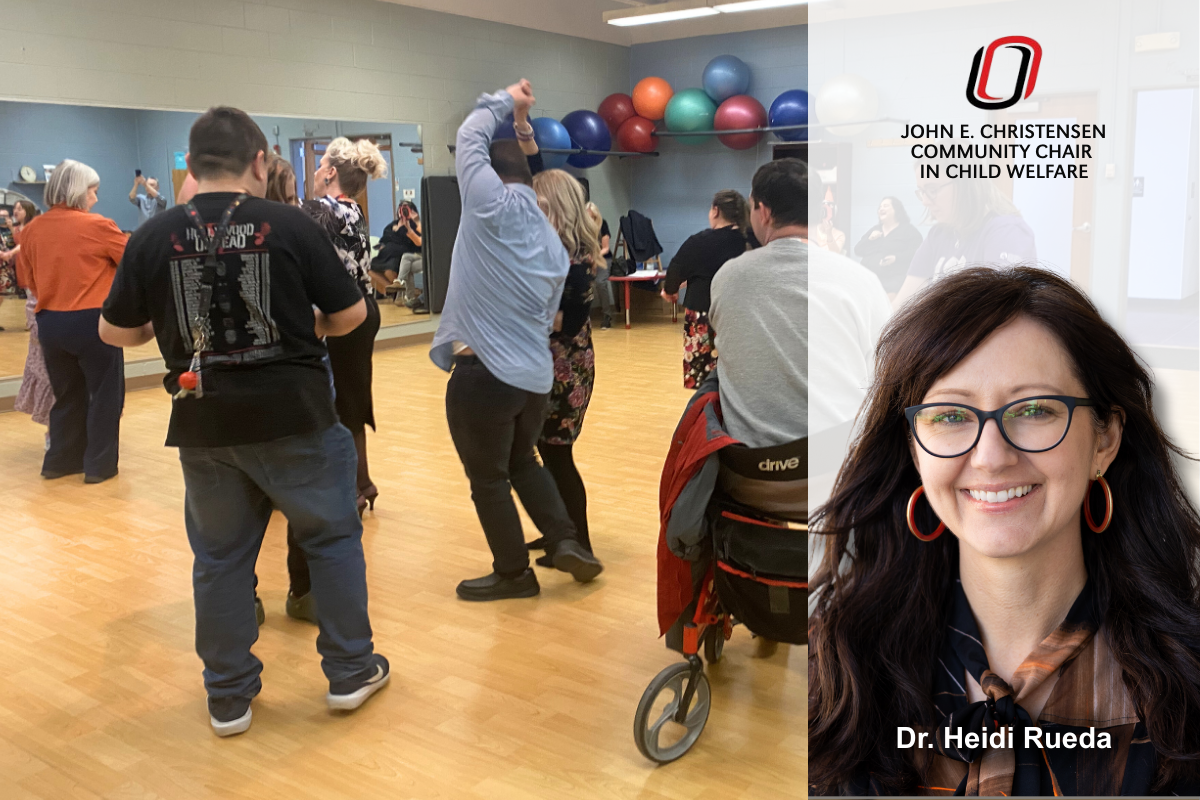
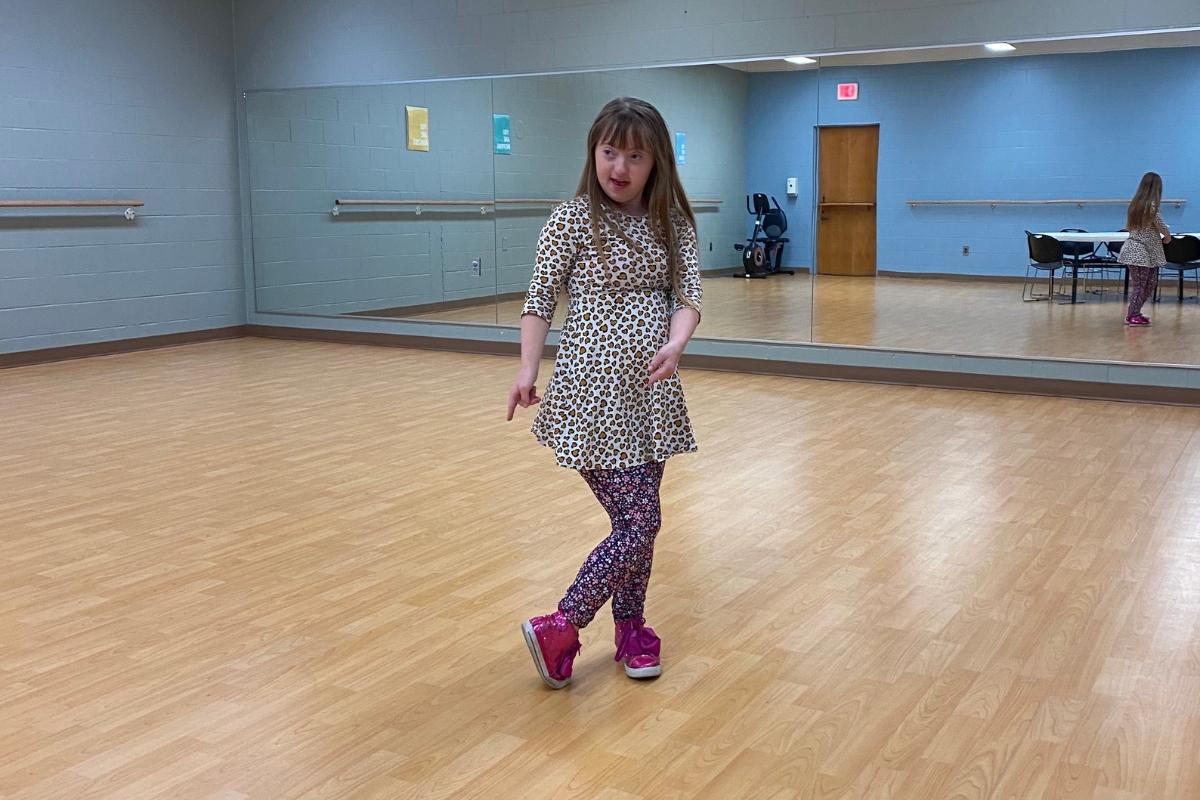
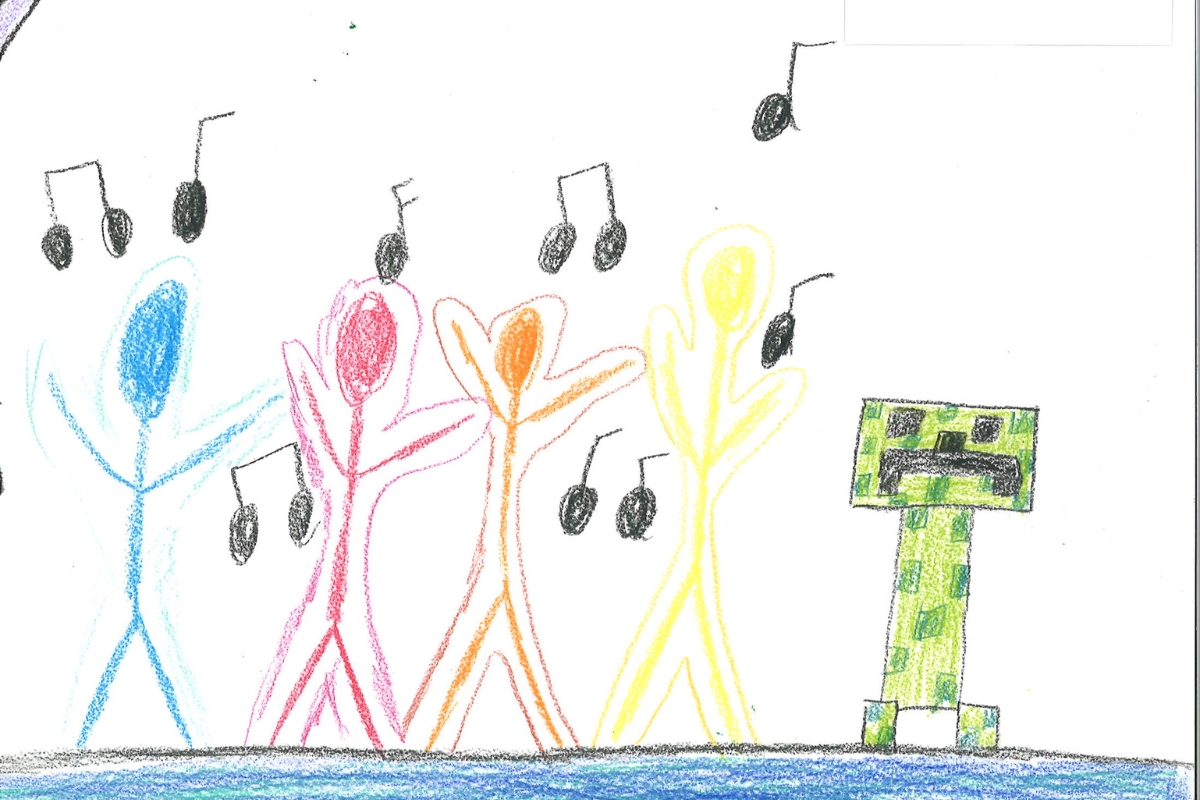
At the A.V. Sorenson Community Center, music fills the room and a group of dancers moves with confidence, laughter, and purpose. For many adults with disabilities, this isn’t just a weekly activity—it’s a space to make friends, practice communication, and discover new confidence.
A new study led by Heidi Rueda, Ph.D., John E. Christensen Community Chair in Child Welfare at the University of Nebraska at Omaha’s (UNO) Grace Abbott School of Social Work, shows that dance can be a powerful and joyful way for adults with intellectual and developmental disabilities (IDD) to strengthen social and relationship skills.
The study was conducted with support from the Weitz Family Foundation of Omaha through an endowed gift to the University of Nebraska Foundation. Dr. Rueda worked closely with WhyArts Inc., which adapted its dance classroom to meet the needs of participants with disabilities and provided the program to adults in the community by partnering with Ollie Webb Center, Inc.
Proudly housed at UNO’s Barbara Weitz Community Engagement Center, WhyArts Inc. strengthens its partnership with the university while connecting professional teaching artists with local organizations to make inclusive arts education accessible. In line with its commitment to equity and access, WhyArts never charges participants a fee. Together with Ollie Webb Center, Inc.—which provides programs and advocacy for children, adolescents, and adults with IDD and their families—the collaboration laid the foundation for a study rooted in community, inclusion, and opportunity, and placed people with disabilities at the center of the research.
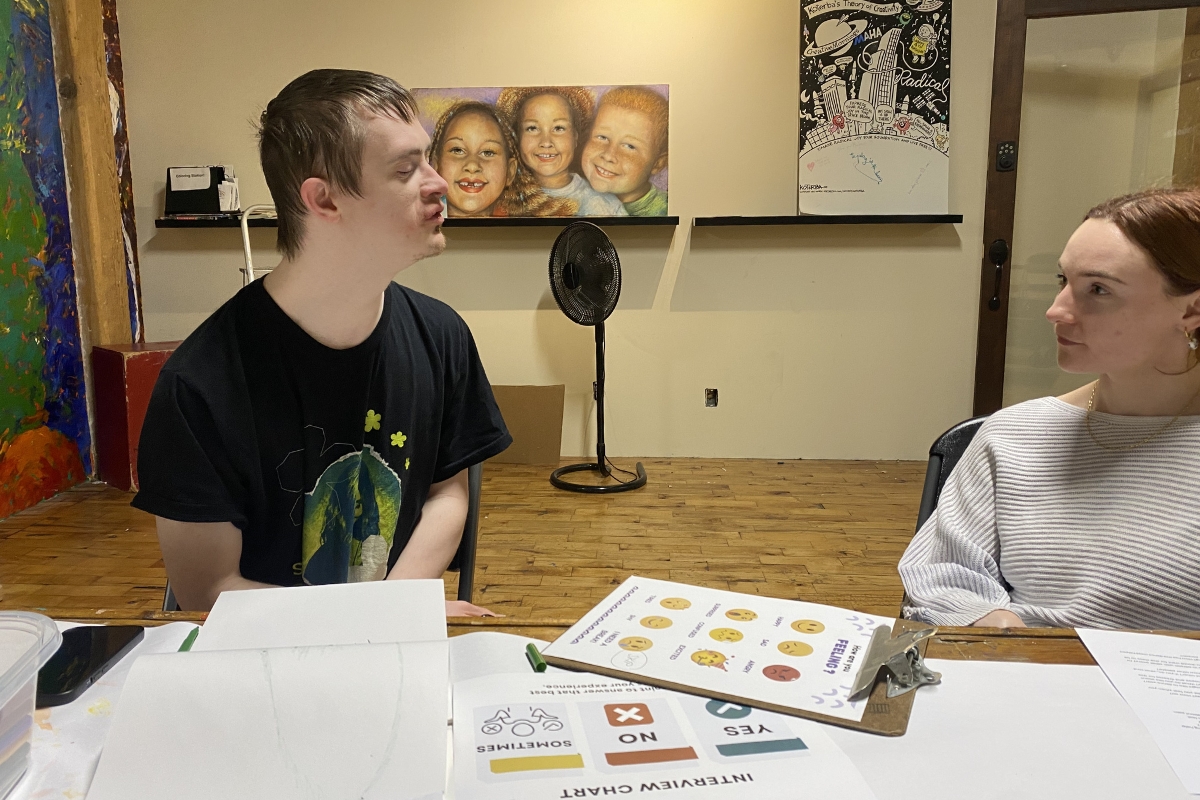
Rueda was joined by graduate student Chandler Misselt, a first-year Master of Social Work student, who helped observe classes and hear directly from participants through interviews and focus groups. Their goal: to explore how an adapted dance curriculum could spark empathy, encourage cooperation, and strengthen relationship skills, showing how research, partnership, and the arts can make a real difference.
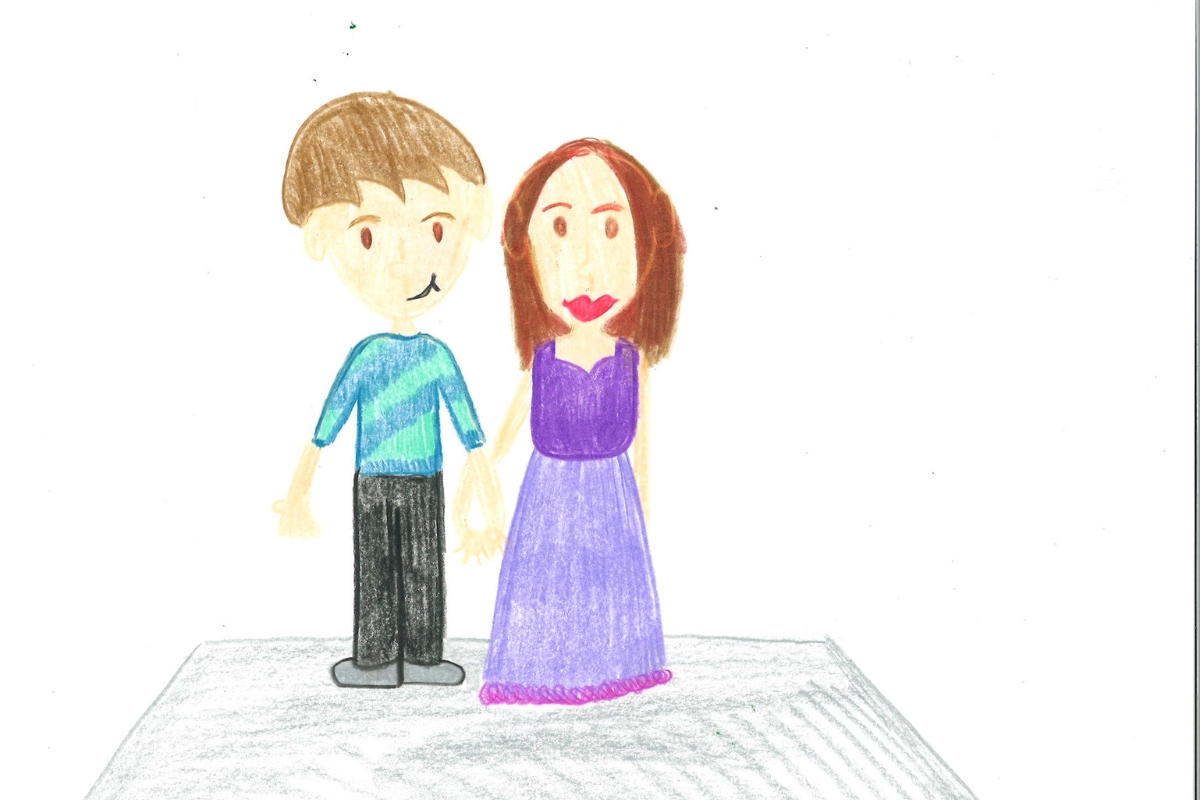
The program, called Across the Floor, ran for 10 weeks at the A.V. Sorenson Community Center and the Hot Shops Art Center. Each class became a hub for creativity and connection, with participants sharing their thoughts and feelings not just through conversation, but also through writing, drawing, emotion charts, and dance itself.
Thirteen adults with disabilities between the ages of 25 and 42 were participants in the study. Dr. Rueda and Misselt also spoke with nine parents or caregivers and five staff members, including the dance instructor, to capture a full picture of the program’s impact.
For many dancers, the class quickly became the highlight of their week. One participant described it as “a good stress reliever,” while another said it helped create “connection, compassion, and tolerance with other people.”
One of the most meaningful lessons focused on courtesy and respect, including learning how to ask someone to dance. During interviews, a couple participants demonstrated this skill with pride. One shared, “I learned to ask someone if you can have this dance,” explaining that the experience helped them grow not only as a dancer, but as a person.
Participants also spoke about feeling energized and proud after each class. One dancer described feeling “awesome” and “more alert,” saying the sessions felt like a workout while also introducing her to different dance styles. Each participant was given time to shine in the center of the circle, a moment many looked forward to. As one participant put it, “I really adored everything…like, when I was standing right in the middle of the circle. That was one of my favorite things.”
Caregivers and staff noticed powerful changes as well. Early on, some dancers were hesitant to work with certain peers. Over time, those barriers disappeared. Participants became more open, cooperative, and comfortable with one another. By the final performances, the room was filled with smiles, applause, and a shared sense of accomplishment.
Dr. Rueda said the excitement was unmistakable during the final sessions, as participants took pride in how much they had learned and how far they had come.
The study concluded in December 2025 after 10 weeks of classes, and the results suggest that programs like Across the Floor can do much more than teach dance steps. They can support emotional well-being, spark friendships, and help adults with disabilities build meaningful social connections.
“I really adored everything…like, when I was standing right in the middle of the circle. That was one of my favorite things.”