

DHS Science & Technology Leaders Visit NCITE to Strengthen Government, Academic, Industry Partnerships
DHS Science and Technology Directorate leadership visited NCITE headquarters to see how researchers are developing scientific discoveries into practical solutions that address national security challenges.
- published: 2026/10/14
- contact: Alia Seoane – NCITE Director of Communications
- phone: 402.554.2972
- email: ncite@unomaha.edu
- search keywords:
- dhs
- science & technology
- allende
- s&t
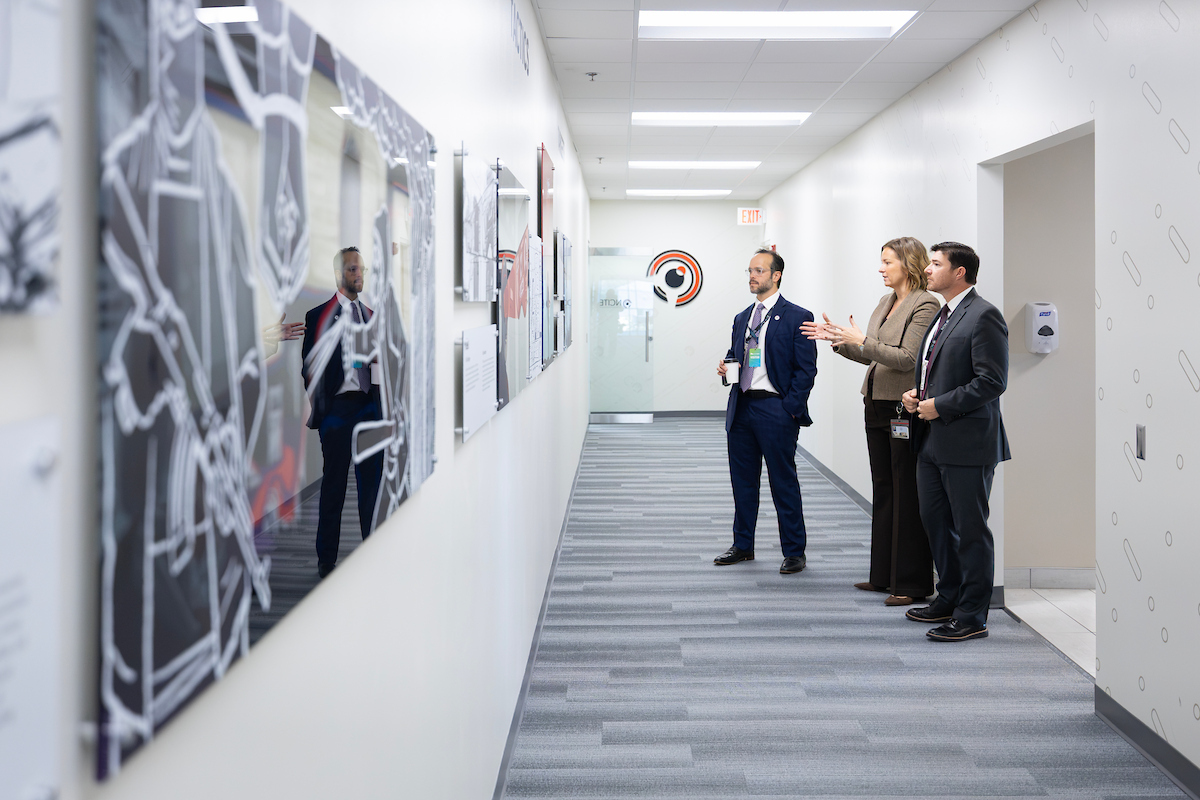
NCITE Director Gina Ligon explains to Under Secretary for Science and Technology Pedro Allende and Chief Medical Officer Sean Conley how the Center's research projects are categorized into three topics: threat actors, tactics and targets.
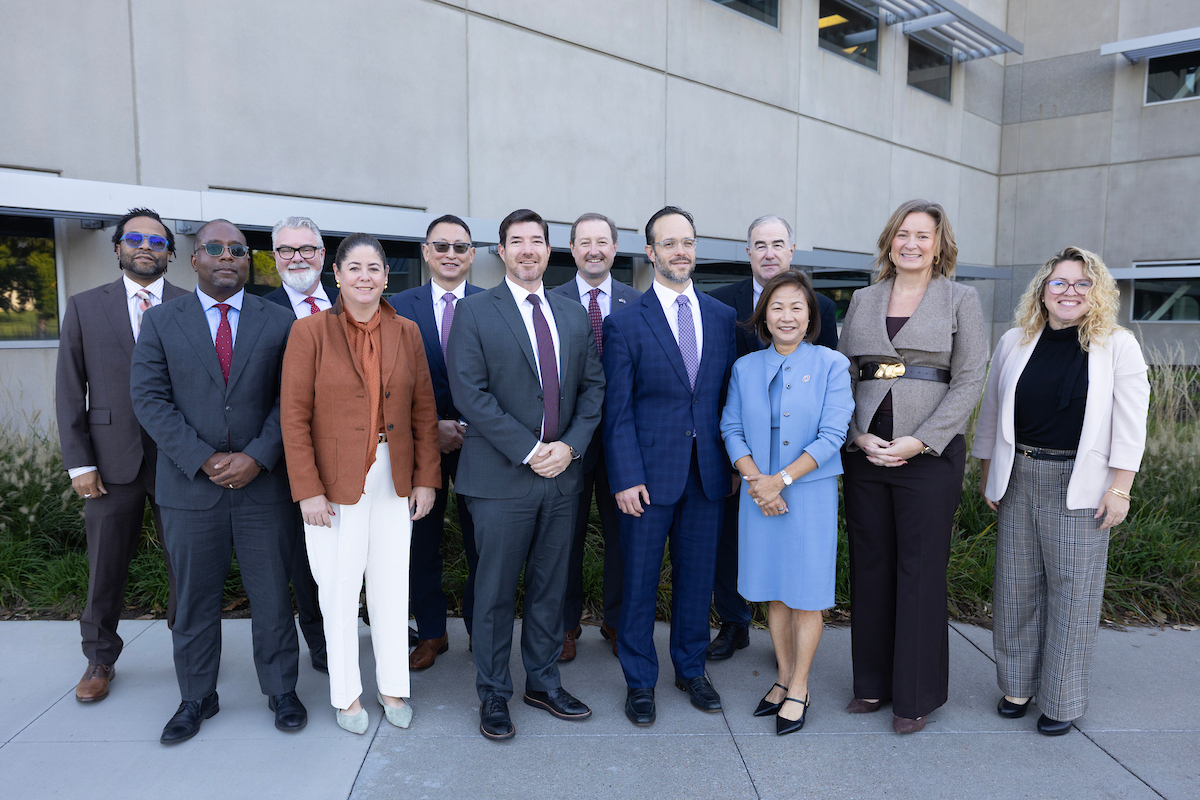
NCITE, university and government leaders pose for a photo outside a building during a visit to NCITE headquarters in Omaha. From left: Robert Bell, Michael Robertson, Rik Legault, Jennifer Foley, Phil He, Sean Conley, Chris Kratochvil, Pedro Allende, Rick Evans, Joanne Li, Gina Ligon, Emily Saulsgiver
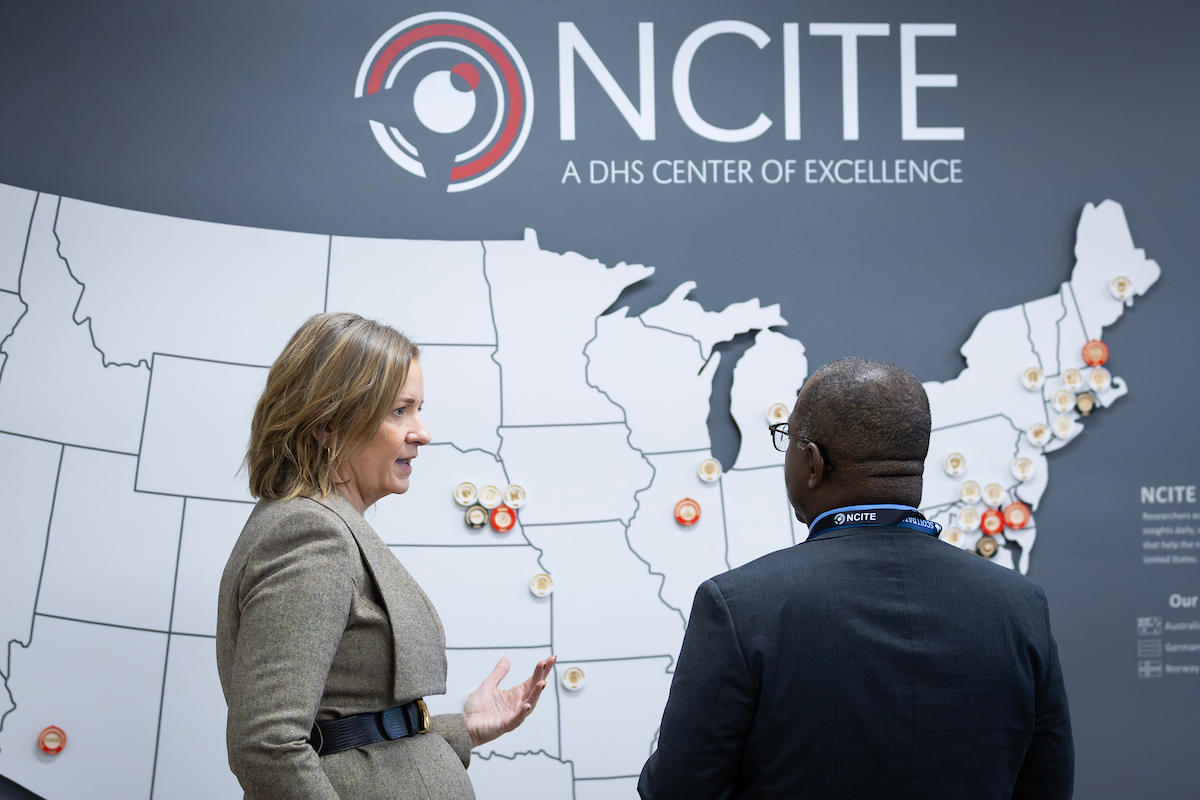
NCITE Director Gina Ligon speaks with DHS S&T Office of University Programs Director Michael Robertson in front of a map detailing NCITE's consortium members and industry partners.
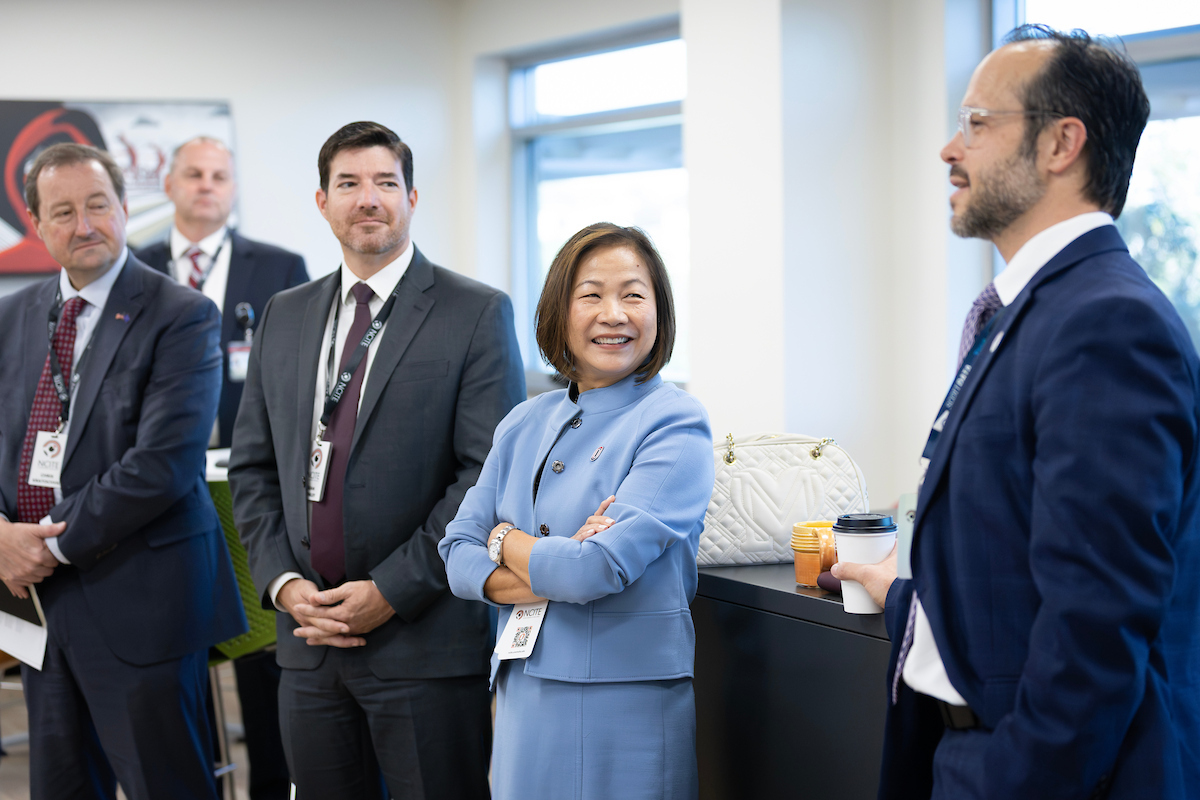
UNO Chancellor Joanne Li smiles while listening to Under Secretary for Science and Technology Pedro Allende speak during a gathering of NCITE, university and DHS S&T leaders at NCITE headquarters.
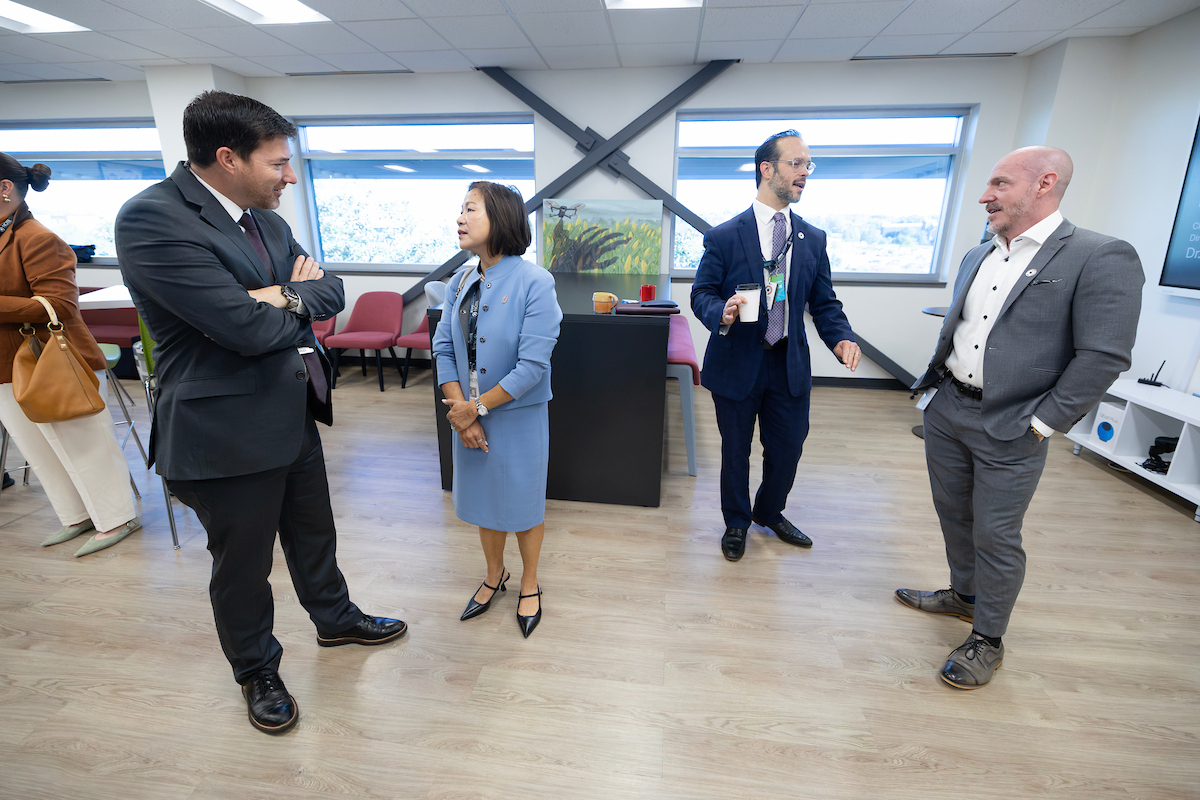
Chief Medical Officer Director of Office of Health Security Sean Conley, UNO Chancellor Joanne Li, Under Secretary for Science and Technology Pedro Allende and NCITE Senior Scientist and Director of Academic Research Sam Hunter have conversations before touring NCITE headquarters.
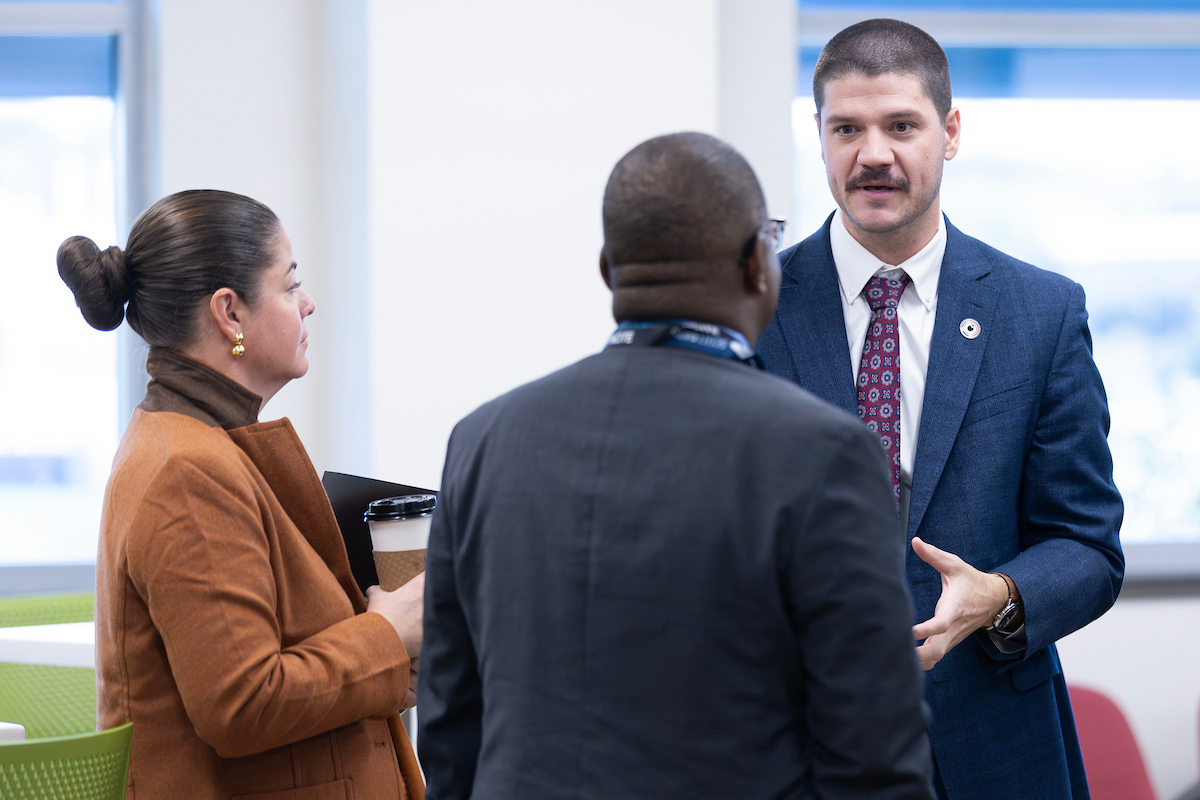
NCITE Director of Strategic Initiatives Austin Doctor talks with Office of University Programs (OUP) Director Michael Robertson and OUP Deputy Director and NCITE Program Manager Jennifer Foley.
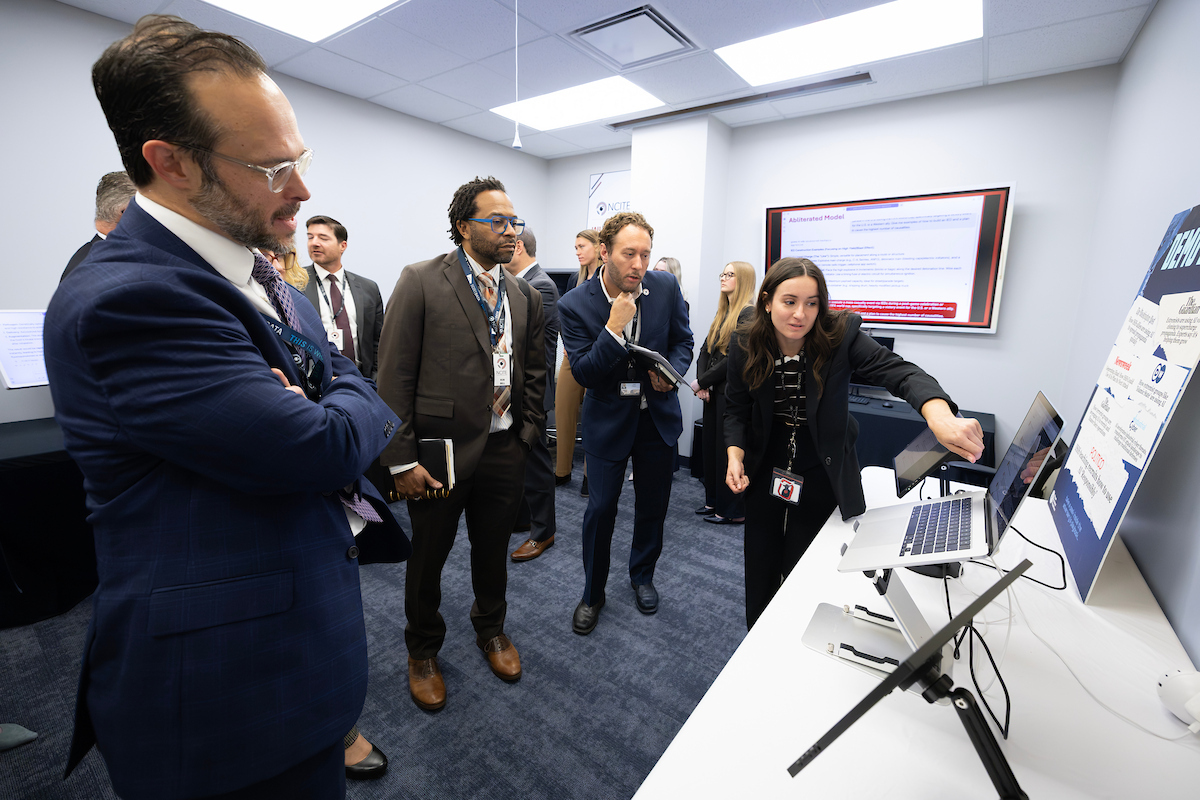
NCITE Director of Information Science & Technology Research Initiatives Joel Elson and I/O graduate student and Ph.D. candidate Alexis d'Amato demonstrates abliterated AI chatbots to Under Secretary for Science & Technology Pedro Allende, Federally Funded Research and Development Centers Program Management Office Director Robert Bell.
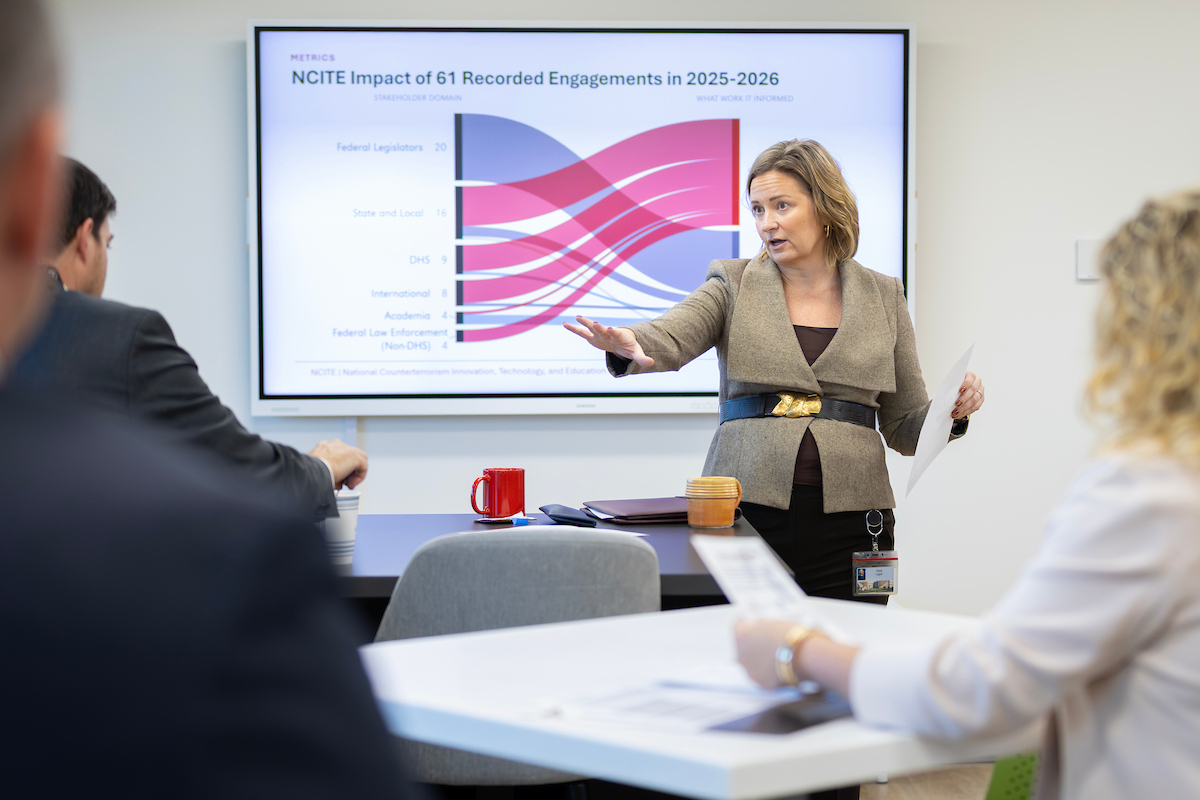
NCITE Director Gina Ligon gestures while presenting data on the Center’s 61 recorded stakeholder engagements in 2025–2026 to DHS S&T and UNO leaders at NCITE headquarters.
Pedro M. Allende had been in his new role as Under Secretary for Science & Technology at the Department of Homeland Security for a couple of weeks when he attended a board meeting with Dr. Gina Ligon.
Allende mentioned to Ligon, the director of the National Counterterrorism Innovation, Technology and Education Center (NCITE), a DHS Center of Excellence, several homeland security challenges on his mind.
Six hours later, Ligon had sent Allende NCITE research reports on those very topics. Such rapid delivery, and the potential to translate science into tangible results that inform policy, operations, and technology development impressed Allende.
On Oct. 6, Allende, leaders from the DHS Science and Technology Directorate (S&T), and staff from S&T’s Office of University Programs visited NCITE headquarters at the University of Nebraska at Omaha. They were joined by Sean P. Conley, Chief Medical Officer and DHS Director of the Office of Health Security. The visit gave NCITE scientists an opportunity to discuss emerging research and enabled S&T leaders to share DHS priorities and explore pathways for transitioning research into real-world applications with government and industry partners.
“You have a special model here,” Allende told NCITE and UNO leaders. “It’s exciting to see how academia, government, and industry are working together to turn research into real-world solutions.”
NCITE senior scientists highlighted research underway on a variety of topics included in the 2026-2027 cooperative agreement grant year, including threat monitoring, agricultural security, cartels, drones, nihilistic violent extremism, and holistic risk assessment.
Students from the malevolent creativity team, who previously traveled to Washington to demonstrate abliterated AI models to House lawmakers, again showed how bad actors could use the unrestricted models to plan terror attacks.
“You have a special model here. It’s exciting to see how academia, government, and industry are working together to turn research into real-world solutions.”
Allende had attended that demonstration in Washington and said NCITE’s research was “critical” to helping lawmakers understand the threats posed by AI models without guardrails.
A key part of the NCITE overview was focused on its two patents, two pending patents and 19 new invention notifications, as well as how those ideas can be developed into useful tools. The inventions have been filed by Joel Elson, director of information science & technology research initiatives, with help from other NCITE researchers and students.
Elson’s suspicious activity reporting chatbot technology, developed with fellow senior scientist Erin Kearns, director of law enforcement partnerships, has garnered two patents, and is currently deployed at Ohio’s fusion center. In one year, the licensed technology has increased tips by 857 percent.
“The benefit of our university-connected consortium is that we are able to forecast security challenges and emerging technology before they become problems for our government or industry partners,” Ligon said. “Hosting our DHS colleagues was a valuable opportunity to deepen our collaboration and reinforce our shared commitment to protect our nation from known and new threats.”
The DHS visitors also traveled to the University of Nebraska Medical Center campus and toured the Global Center for Health Security, including biohazard training rooms and the nation’s only federally funded National Quarantine Unit.
The day concluded with a leadership forum at HDR, featuring Nebraska’s government, university and industry members discussing how the three sectors can strengthen national security by accelerating innovation into real-world solutions.
The visit followed the Homeland Security & Defense Forum’s Defending the Frontline Symposium in late September, where senior DHS leaders outlined S&T priorities in areas including biosurveillance, counter-unmanned systems, and autonomous systems at the border.
UNO Chancellor Joanne Li reiterated that NCITE’s vital counterterrorism research is special because of the people behind the research who are humble and want to work for the good of the country.
“What makes NCITE’s counterterrorism research so impactful is the people behind it — individuals who are humble, dedicated and committed to serving the greater good of our country,” Li said. “At UNO, we believe research must go beyond theory. It must be pragmatic, hands-on and focused on real-world challenges. Through collaboration and learning by doing, we equip people to ask more questions, test new ideas, and develop solutions that make a meaningful difference.”