

UNO Aviation Alum James Slabaugh Leads with Safety and Professionalism at Kiewit
- published: 2026/03/12
- contact: UNO Aviation Institute - Aviation Institute
- phone: 402.554.3424
- email: aviationuno@unomaha.edu
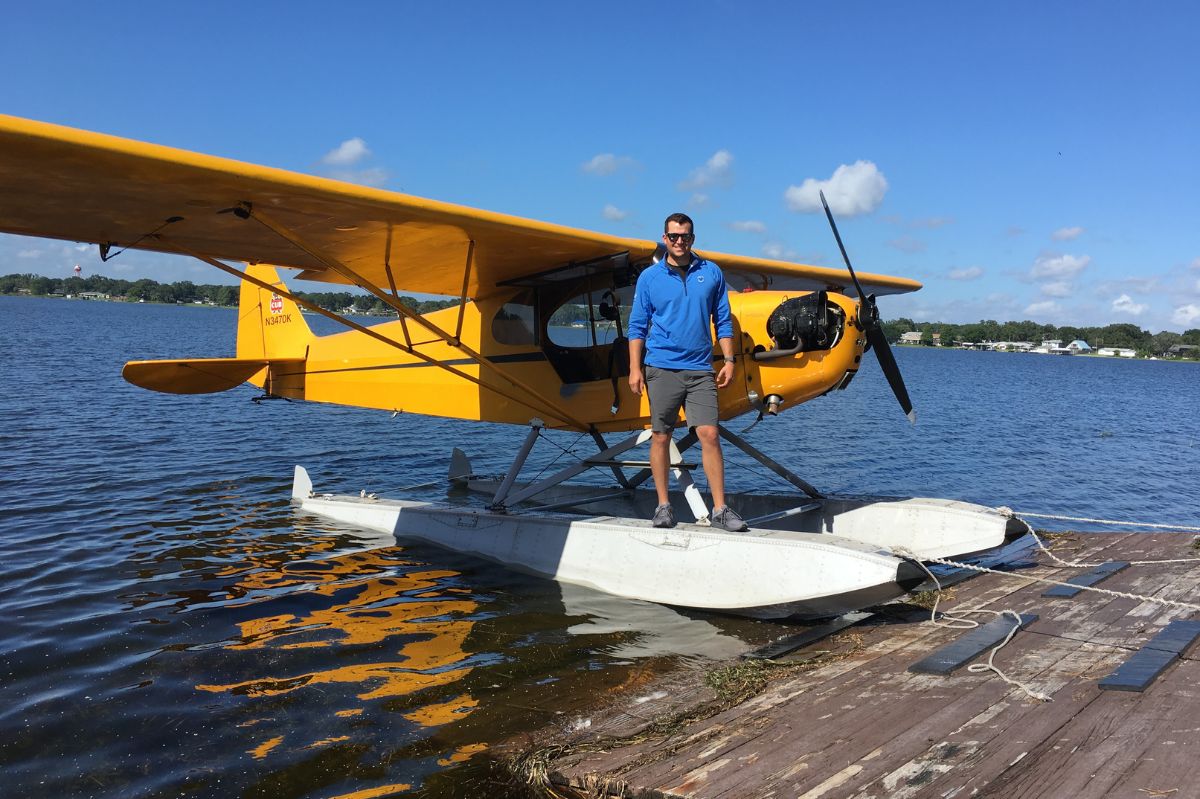
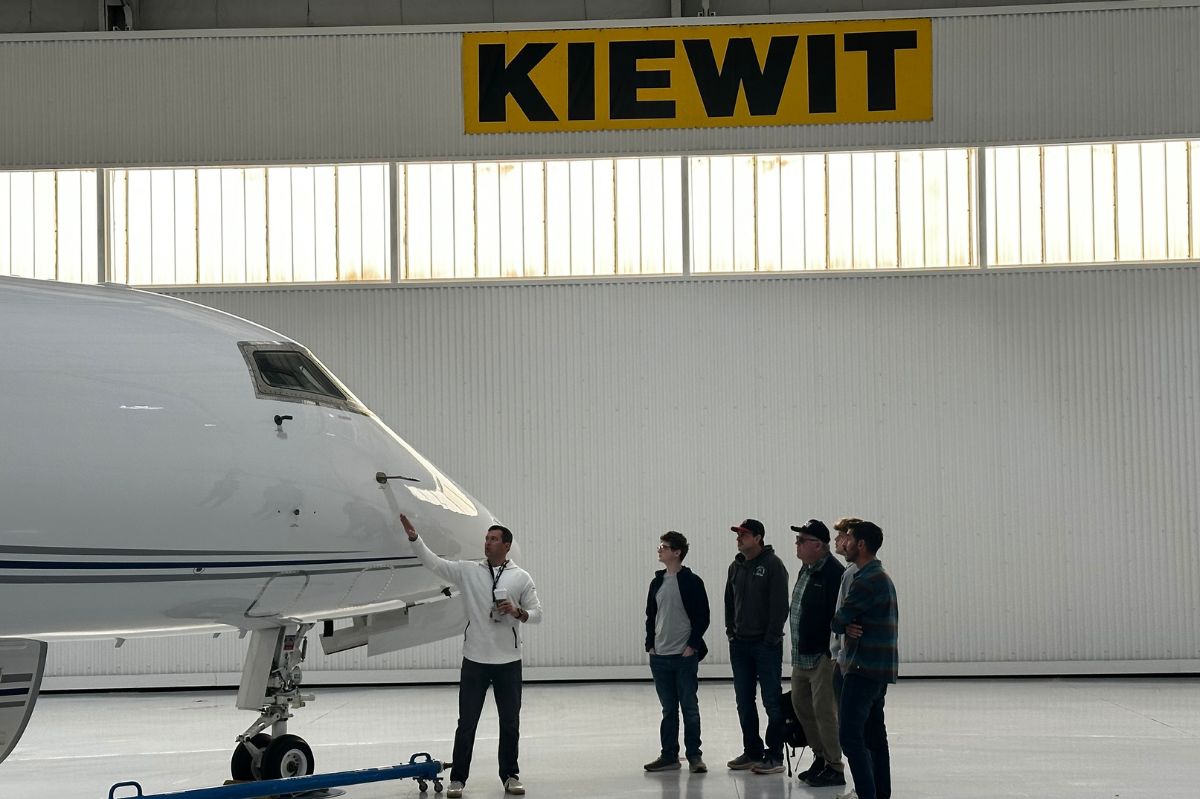
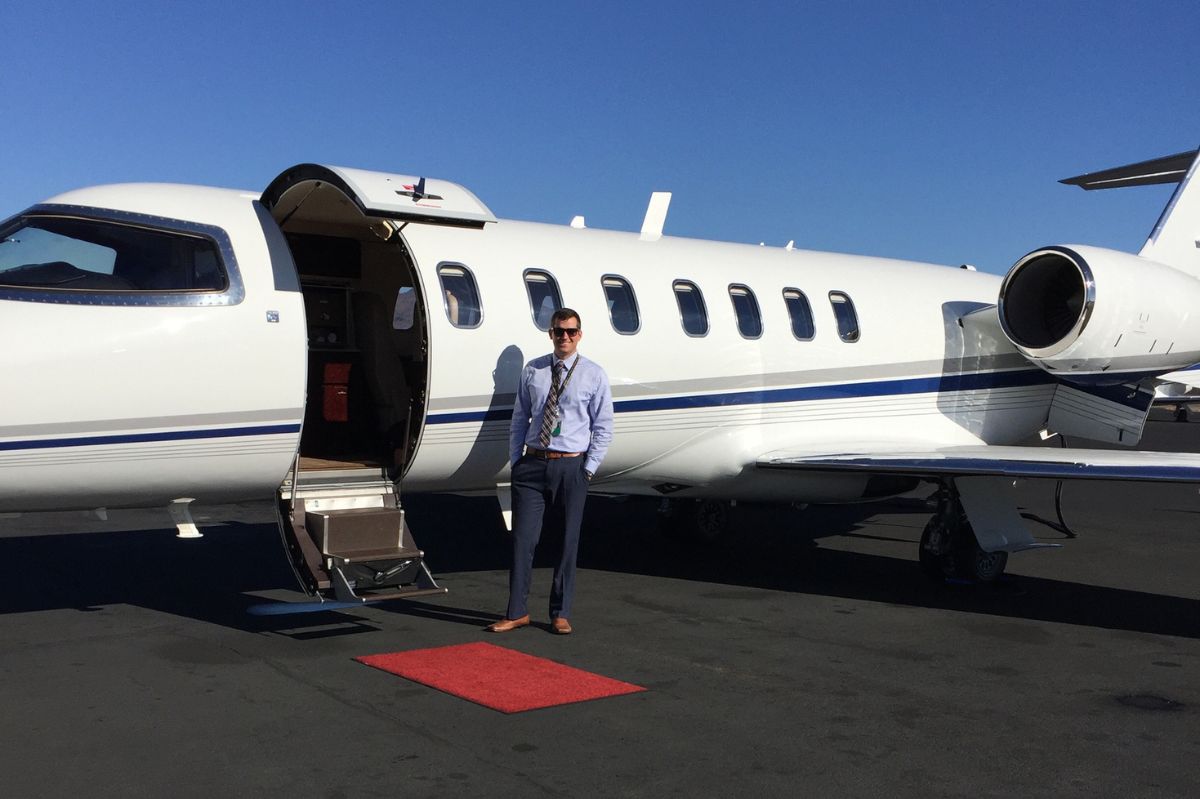
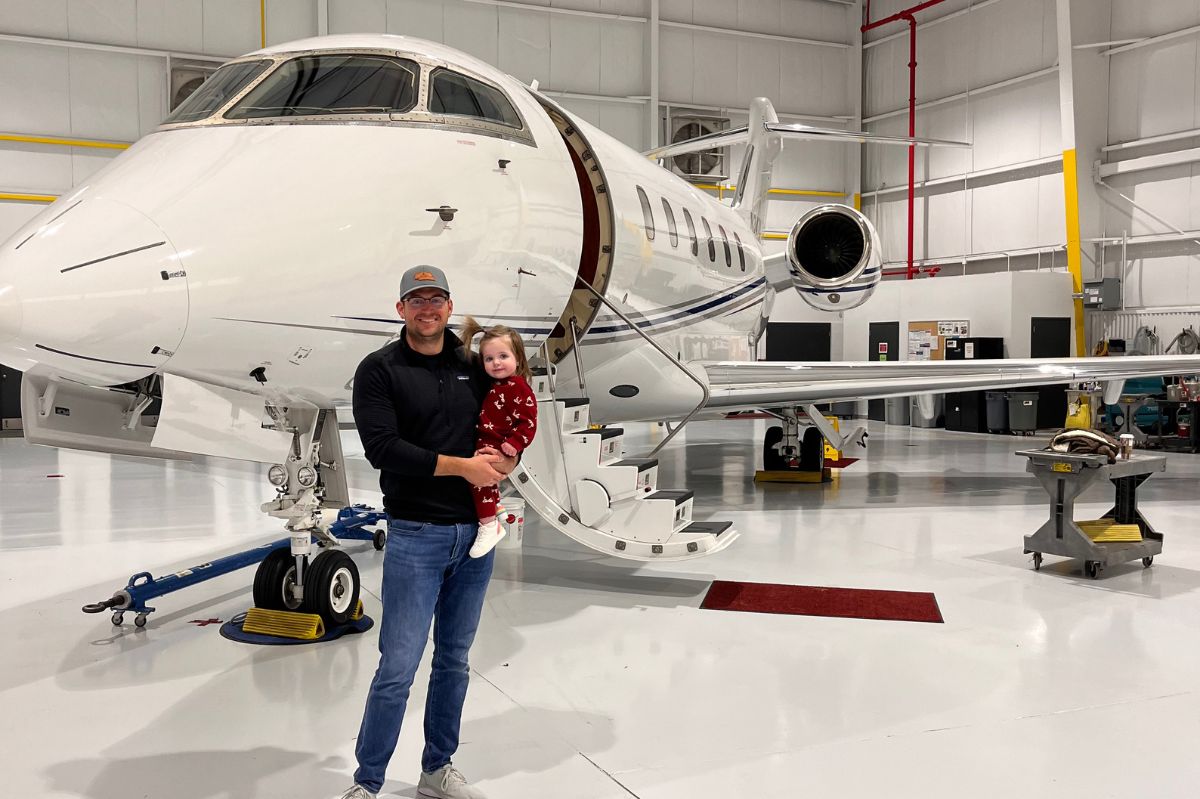
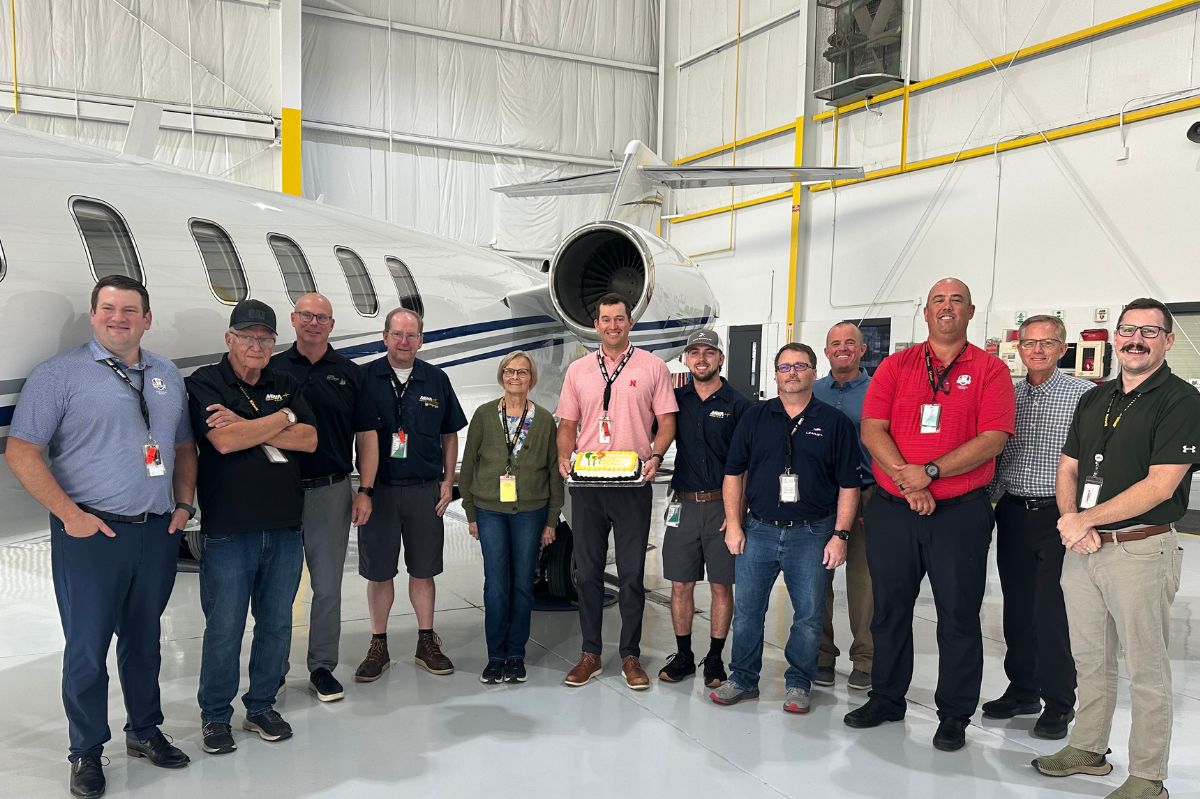
For James Slabaugh, a graduate of the University of Nebraska at Omaha (UNO) Aviation Institute, a career in aviation has grown from instructing in small aircraft around Omaha to flying high-performance business jets across North America. Today, Slabaugh serves as a corporate pilot for the Kiewit Corporation, while also holding the critical role of Safety Manager for the company’s flight department.
In addition to flying, Slabaugh oversees the department’s Safety Management System, which includes programs designed to proactively identify and address operational risks. Among these are the Aviation Safety Action Program (ASAP) and the Flight Operational Quality Assurance (FOQA) program—initiatives that collect and analyze operational data to improve safety and decision-making across the flight department.
Despite the significant responsibilities that come with managing safety programs, Slabaugh says the variety of flying remains one of the most rewarding aspects of his job.
“One of the things I really enjoy about my job is that there’s not really a typical day,” Slabaugh said.
Corporate aviation often brings a diverse schedule and destinations. Slabaugh and his colleagues fly to locations throughout North America, with most trips consisting of one or two flight legs per day and lasting around two to three days. Occasionally, trips include downtime between flights, offering a chance to explore a city before returning to the cockpit.
When he’s not flying, much of Slabaugh’s time is spent managing safety operations—reviewing reports, analyzing data, and ensuring that the flight department maintains the highest operational standards.
Slabaugh began building the foundation for his career at UNO, earning his undergraduate degree in aviation in 2010. He credits his time at the university not only for flight training but also for instilling the professional habits necessary to succeed in a competitive aviation industry.
“UNO did a great job of preparing me to be a professional,” Slabaugh said. “Being a few minutes early, arriving prepared for a meeting, communicating clearly in an email, or giving a good presentation may seem insignificant in the aviation world, but they are all opportunities to demonstrate professionalism and set yourself apart from peers.”
After graduating, Slabaugh spent several years working as a flight instructor while also pursuing graduate studies at UNO. During that time, he secured an internship with Kiewit’s flight department—an opportunity that would prove pivotal to his career.
The internship helped him gain valuable experience and connections within the organization. After building additional flight time as a flight instructor, Slabaugh was hired by Kiewit as a First Officer. Over the years, he advanced through the ranks, eventually becoming a captain on both aircraft types in the company’s fleet and later being promoted to Safety Manager.
Transitioning from instructing in small single-engine piston aircraft to operating high-performance business jets in busy airspace presented one of the biggest challenges early in his career.
“When I was hired at Kiewit, I had very low flight time compared to many corporate pilots,” Slabaugh said. “It was a huge opportunity, but it was definitely a challenging jump.”
To succeed, Slabaugh dedicated extra time to preparation. He spent hours studying aircraft manuals, reviewing procedures, and preparing for flights. After each trip, he wrote debrief notes to reflect on mistakes and areas for improvement. Combined with mentorship from experienced pilots, that dedication helped him grow quickly in his role.
Looking back, Slabaugh says the journey has been incredibly rewarding.
“It’s been very rewarding to start with as little experience as I did and continue to advance to this point in my career,” he said.
For current aviation students hoping to pursue a similar path, Slabaugh emphasizes the importance of building strong connections within the industry—starting with the people sitting beside them in class.
“Networking is very important, especially in corporate aviation,” he said. “Your UNO classmates will be one of your most important networks after graduation. Find ways to get involved and get to know them—they’ll most likely be the first people you call in the future when looking for a job.”
From flight instructor to corporate captain and safety leader, Slabaugh’s career reflects how preparation, professionalism, and strong relationships can open doors in the aviation industry.
UNO did a great job of preparing me to be a professional. Being a few minutes early, arriving prepared for a meeting, communicating clearly in an email, or giving a good presentation may seem insignificant in the aviation world, but they are all opportunities to demonstrate professionalism and set yourself apart from peers.
For more information about the UNO Aviation Institute visit aviation.unomaha.edu.