University of Nebraska at Omaha logo University of Nebraska at Omaha
REQUEST INFO VISIT APPLY

MY UNO DIRECTORY
University of Nebraska at Omaha logo
University of Nebraska Omaha College of Arts and Sciences
REQUEST INFO VISIT APPLY
MY UNO DIRECTORY
  • About Us Backback to Main menu
    • About Us
    • Departments & Programs
    • News & Events
    • Dean's Office Staff
    • Faculty/Staff Resources
    • Organizational Chart
  • Academics Backback to Main menu
    • Undergraduate Programs
    • Graduate Programs
    • Love Your Major
    • Pre-Health
    • Pre-Law
    • Arts and Sciences Minors
    • Academic Advising
    • Academic Support
  • Admissions
  • Student Opportunities Backback to Main menu
    • Scholarships
    • Student Organizations
    • Internships
    • Study Abroad
  • Community Engagement Backback to Main menu
    • Community Engagement
    • College Centers
    • Conferences
    • Nature Preserves
    • Professional Services
    • Teacher Training
    • Youth Programs
  • Research Backback to Main menu
    • Research
    • Student Research Support
    • Social Science Research Commons
  • Support Us
  1. UNO
  2. College of Arts and Sciences
  3. CAS News
  4. 2021
  5. 10
  6. Meet the Faculty: Dr. Eric O’Brien

Meet the Faculty: Dr. Eric O’Brien

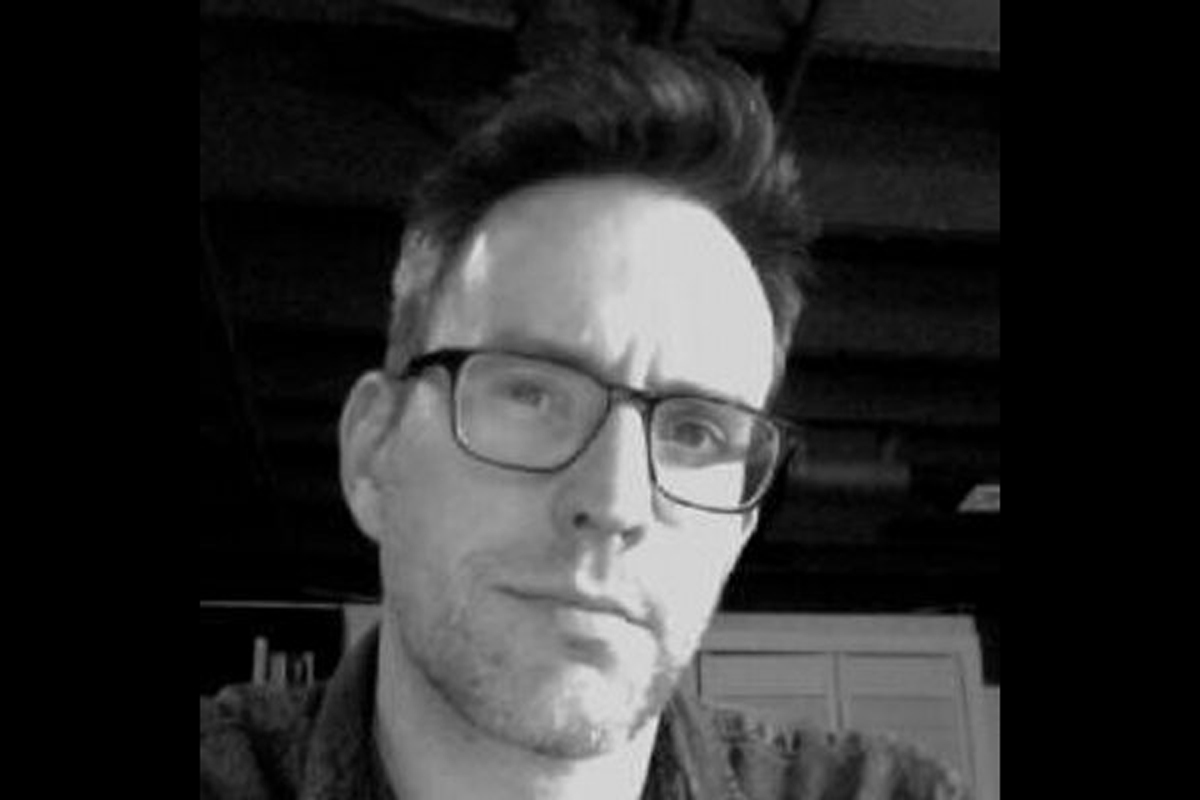
Dr. Eric O’Brien, who teaches Ecological Writing & Analysis for the MA CCT, shares his thoughts on the diverse backgrounds of MA CCT students, parenting two daughters, and more.

  • published: 2021/10/18
image

Dr. Eric O’Brien is an Instructor in the English Department at UNO. He has taught Ecological Writing and Analysis in the Master of Arts in Critical and Creative Thinking since 2015. He also teaches First-Year Writing, Critical Approaches to Literature, and other literature courses at UNO.

Dr. O’Brien is a UNO alumnus who completed his BA in English in 2003, and he earned his doctorate in English Literature from the University of California, Davis, with a designated emphasis in critical theory. His dissertation examined intersections of agricultural writing and poetics from Milton to Wordsworth. In particular, the work analyzed Paradise Lost using the Digger writings of Gerard Winstanley, and it investigated farm writing from the first English Board of Agriculture to unpack agricultural figures in Lyrical Ballads and The Prelude.

What do you enjoy most about teaching a course that’s part of the MA CCT program?

My favorite part of the MACCT program is the wide diversity of interests and experiences that our students bring to class. Ecological writing and thought are universal concerns relevant to all humans living on our planet in the twenty-first century, but ecological writing can also reflect unique, individual perspectives—and our students certainly approach these works from a multitude of life and professional backgrounds. Students from culinary and food studies find they can learn quite a bit from active duty servicemembers, and health sciences administrators interacting with secondary education teachers collaborate to generate new analyses. That interdisciplinarity benefits all of us. Each semester, I learn just as much as I teach.

Nebraska’s position in the center of the United States places us at a geographical and cultural crossroads—but the MACCT program at UNO offers just as many crossings and intersections of students and ideas, regardless of location.

Tell us two interesting things about yourself.

When I’m not teaching, reading, or writing, I’m trying to transition from parenting two kids into mentoring two young adults. One daughter is in college and the other is in her last year of high school, so my role now is to shut up and let them make their own informed decisions. For someone who thinks and talks for a living, that’s a tough job, but like many of my graduate students, I’m learning new ways to interact with the world. My wife is an elementary education, English-language teacher in Omaha, and we are trying to rehabilitate an older home near the UNO campus.

To keep my mind fresh, I try to stay physically active: I race road, mountain, and cyclocross bikes with a local amateur team, and I coach youth mountain biking in the summer. I also try to spend at least a week or two every year deep in the wilderness, far from the things of humans.

News Sections

  • College of Arts and Sciences News Center
  • UNO News Center
  • Maverick Daily
  • The Bullseye
  • Campus Events

Featured

  • OLLAS Announces New Cohort of Next Generation Leadership Scholars
  • UNO Passport Program Connects Lifelong Learners to the Classroom
  • University of Nebraska at Omaha’s European Studies Conference Celebrates 50 Years
  • Chief Justice Role Provides UNO Student with Foundation for Legal Education

Most Viewed

  • Four College of Arts and Sciences Faculty Receive Weitz Innovation and Excellence Fund Awards
  • UNO Researchers Protect the Role Bats Play in Nebraska’s Ecosystem
  • UNO James Madison Fellow Inspires Next Generation of Civic Leaders in the Classroom

About the College of Arts and Sciences

College of Arts and Sciences

Contact Us
  • 220 Arts & Sciences Hall
  • College Advising Office
Social media
College Resources
  • For Faculty and Staff
  • Math-Science Learning Center
  • The Writing Center
Arts and Sciences Hall building with large white columns in front of a pink and orange sunset.

Services and Resources

  • Academic Calendar
  • Course Catalogs
  • MavCARD Services
  • MavLINK
  • my.unomaha.edu
  • UNO Brand Guide

Related Links

  • A-Z List
  • Employment
  • University of Nebraska System

Campus Links

  • Accessibility
  • Billing Office
  • Buildings and Maps
  • Campus Directory
  • Campus Safety
  • Events
  • Human Resources
  • Library
  • Military-Connected Resource Center
  • News
  • Registrar

Policies and Reporting

  • Emergency Information Alert
  • MavsReport
  • Notice of Non-Discrimination
  • NU Foundation
  • Privacy Statement
  • University Policies
  1. Privacy Statement
  2. Accessibility
  1. 402.554.2800

University of Nebraska at Omaha
University of Nebraska at Omaha, 6001 Dodge Street, Omaha, NE, 68182
  • ©  

Social Media


Omaha Skyline

Our Campus. Otherwise Known as Omaha.

The University of Nebraska does not discriminate based on race, color, ethnicity, national origin, sex, pregnancy, sexual orientation, gender identity, religion, disability, age, genetic information, veteran status, marital status, and/or political affiliation in its education programs or activities, including admissions and employment. The University prohibits any form of retaliation taken against anyone for reporting discrimination, harassment, or retaliation for otherwise engaging in protected activity. Read the full statement.