

“Build Relationships in the Daylight”: NCITE-NIAC Law Enforcement Summit Brings Practitioners and Researchers Together
The inaugural NCITE-NIAC Law Enforcement Summit brought together law enforcement leaders, researchers, intelligence analysts, and community partners for two days of conversation focused on preventing terrorism and targeted violence in the U.S.
- published: 2026/06/26
- contact: NCITE Communications
- phone: 4025542972
- email: ncite@unomaha.edu

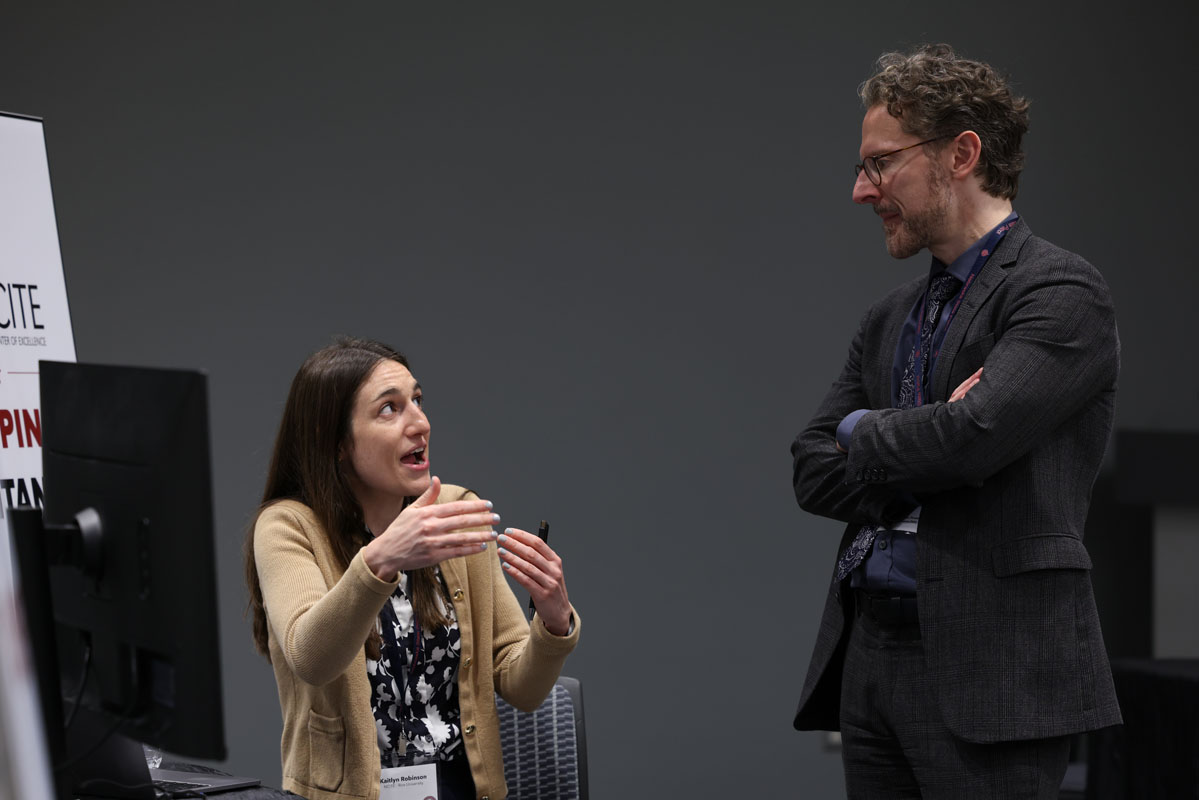
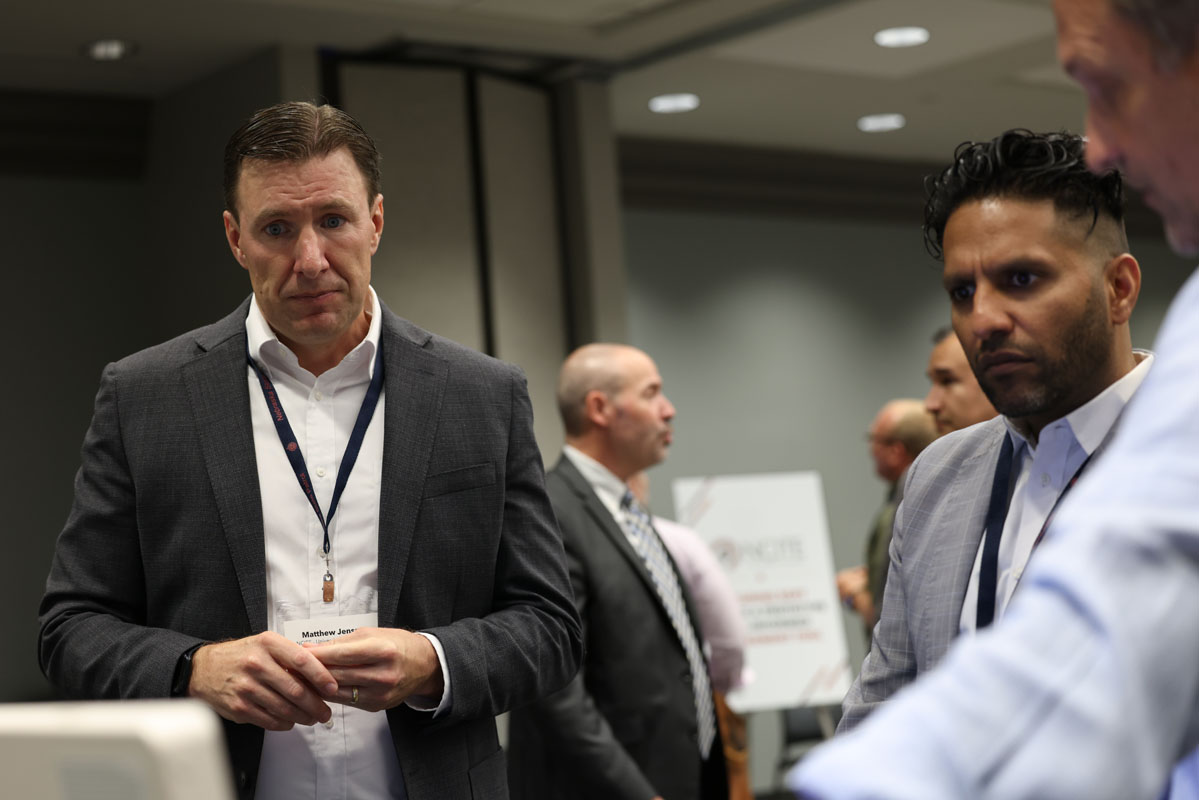
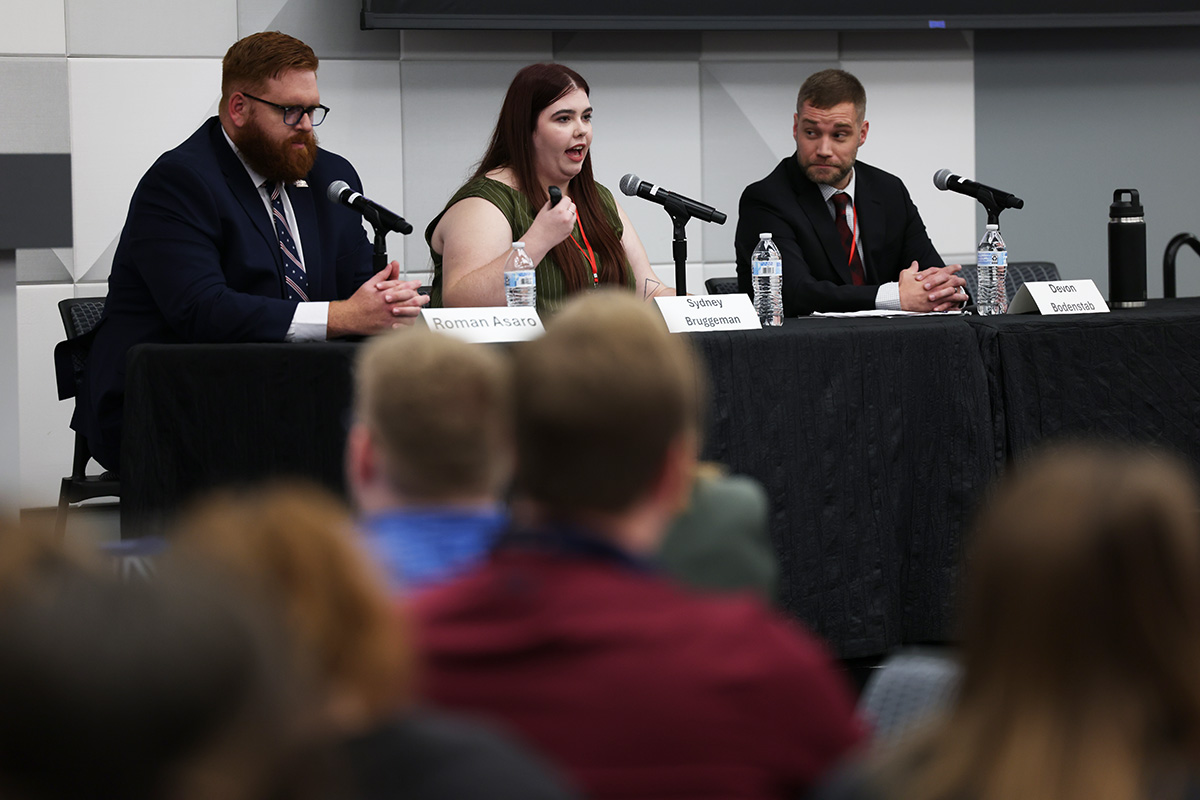
The inaugural NCITE-NIAC Law Enforcement Summit brought together law enforcement leaders, researchers, intelligence analysts, and community partners for two days of conversation focused on preventing terrorism and targeted violence in the U.S. While attendees explored topics ranging from behavioral threat assessment and school safety to emerging technologies and evolving threat landscapes, one message continually resurfaced: effective prevention begins with strong relationships.
As Nebraska State Patrol Colonel Bryan Waugh noted, "I'd rather get to know each other now in this safe space. When that bad day happens, we can pick up the phone and work together to mitigate and prevent bad things from happening."
Whether examining lessons from the Perry, Iowa school shooting, showcasing research designed for operational use, or launching NCITE's new Law Enforcement Advisory Board, speakers emphasized that collaboration across agencies, disciplines, and communities is essential to keep the public safe.
Below are a few highlights from the summit and a recap video.
Perry, IA School Shooting Case Study
In a three-hour analysis equal parts engrossing and devastating, Dallas County, IA Sheriff Adam Infante and Special Agent in Charge at the Iowa Division of Criminal Investigation Adam DeCamp led attendees through the January 2024 Perry High School shooting and the emergency response that followed.
Throughout the conversation, Infante and DeCamp emphasized how crucial strong connections were in responding to the attack and acknowledged that closer interagency relationships would have improved after-action efforts. “Build relationships in the daylight,” DeCamp said.
Active shooter drills were a routine fixture of NCITE and UNO criminology and criminal justice senior Annie Carpenter’s high school education. She found DeCamp and Infante’s push for widespread adoption of School Emergency Alert Response System (SEARS) radios in the aftermath of the shooting especially compelling.
“It makes me think about schools here in Omaha and if we have that or not,” Carpenter said. “I found that whole investigation very interesting.”
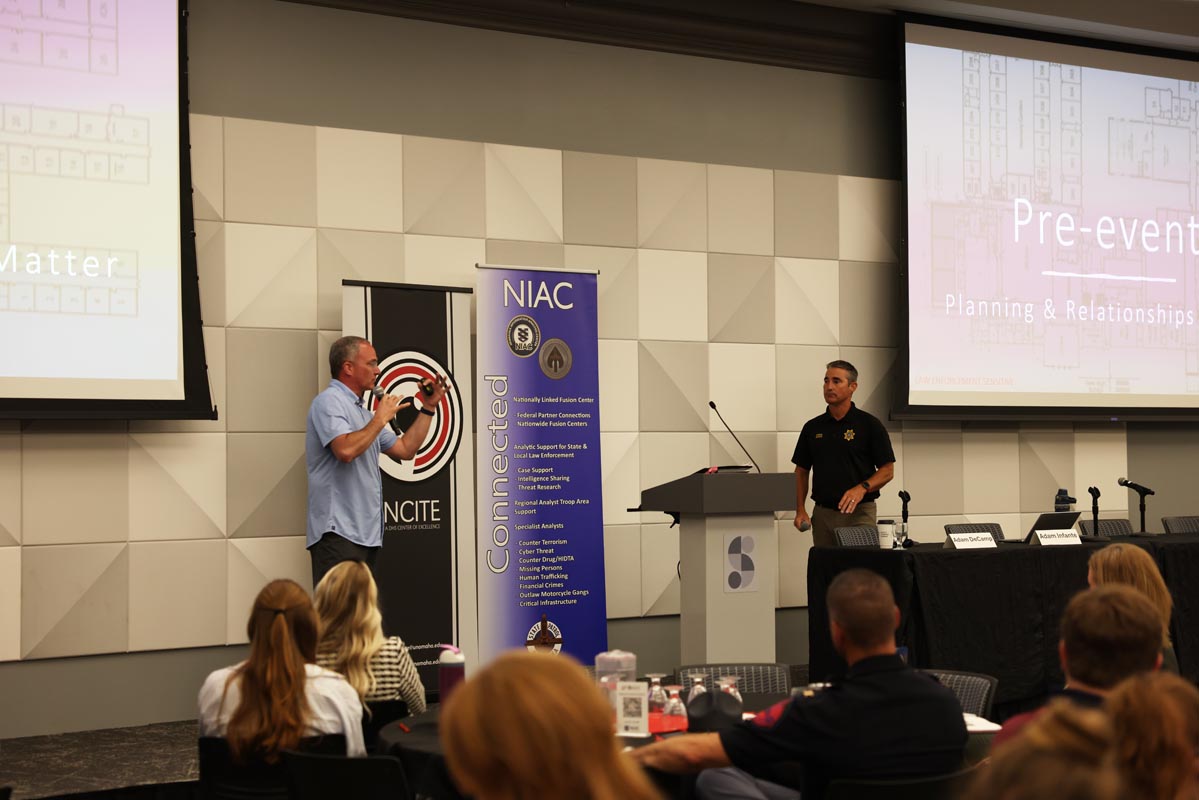
Adam DeCamp (left) and Adam Infante (right).
I'd rather get to know each other now in this safe space. When that bad day happens, we can pick up the phone and work together to mitigate and prevent bad things from happening.
NCITE Law Enforcement Advisory Board
The Summit kicked off NCITE’s newly created Law Enforcement Advisory Board, an initiative spearheaded by NCITE Director of Law Enforcement Partnerships Erin Kearns, Ph.D., which is designed to facilitate knowledge exchange between researchers and practitioners. Made up of 20 law enforcement leaders from around the country, the board ensures NCITE research remains operationally relevant and responsive to homeland security and homeland defense needs.
As one NCITE board member put it, “You are the connective tissue between research and reality – you tell us what actually matters in the field.”
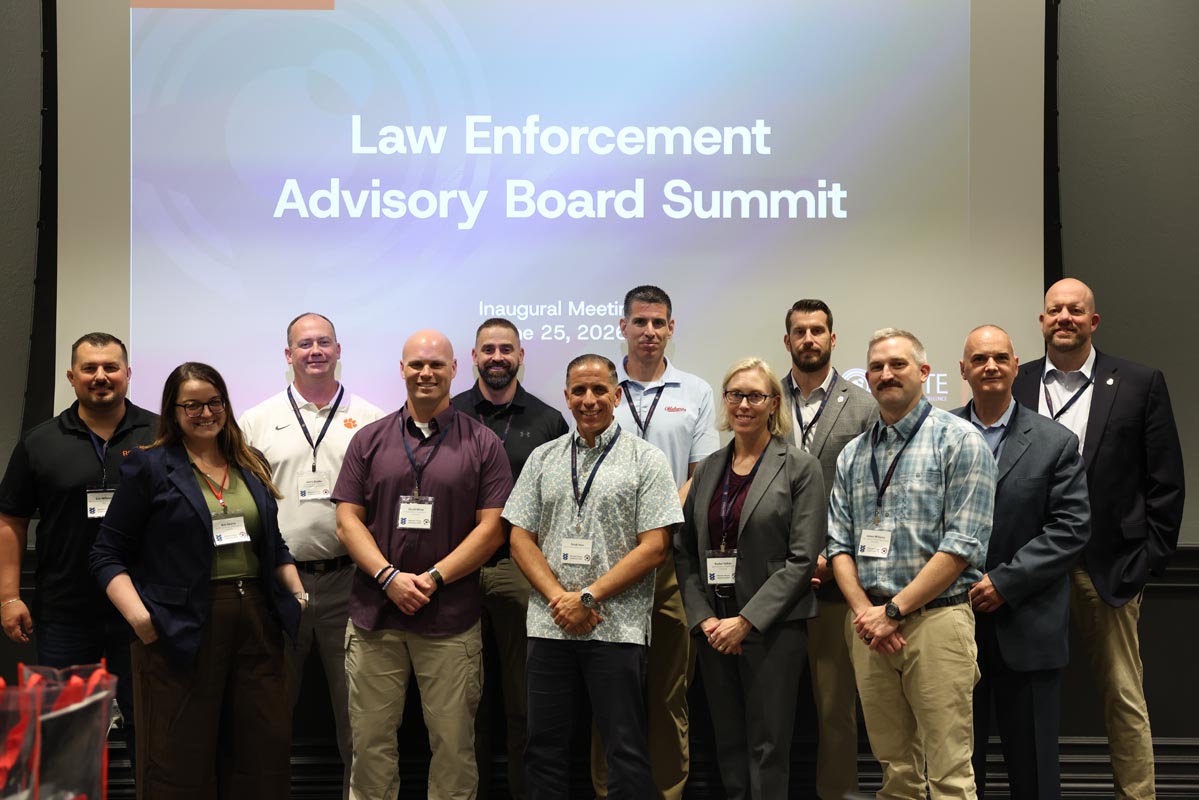
Members of NCITE's Law Enforcement Advisory Board.
Technology Showcase
Countering emerging threats requires understanding the tools and tactics bad actors have at their disposal. Attendees explored a range of NCITE research that illustrates how artificial intelligence, digital infrastructure, and data-driven analysis are reshaping the threat landscape. From deepfakes and “jailbroken” AI to chatbot-enabled suspicious activity reporting and risk assessment tools for critical infrastructure and soft targets, the technology showcase offered a practical look at both the challenges facing law enforcement today and the research-driven capabilities being developed to address them.
“I think some of the tools, some of the training will be really important,” Rachel Tolber, chief of police in Redlands, CA and NCITE law enforcement advisory board member, said. “I want to go back with my team and talk about what they know about abliterated AI.”
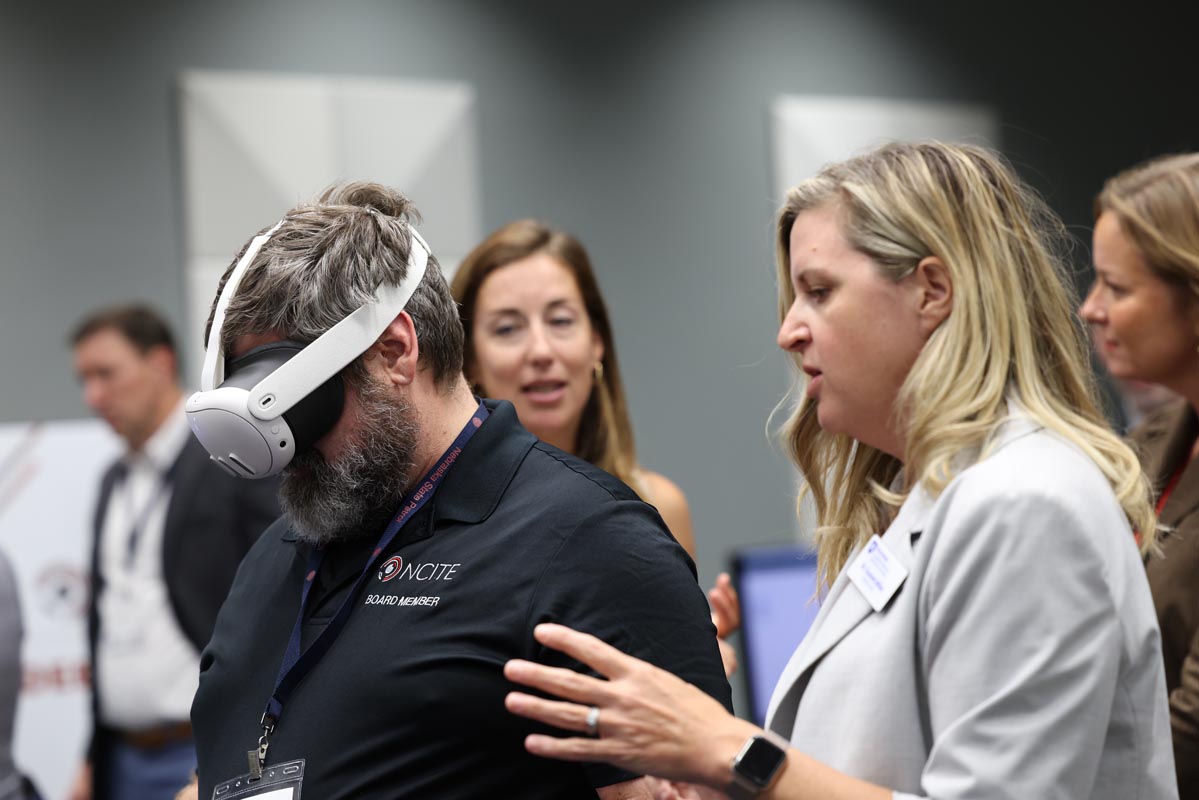
NCITE consortium researcher Scarlett Miller, Ph.D. (right), leads an attendee through a virtual reality demonstration.
🤝Partners
Nebraska Information Analysis Center (NIAC)
National Counterterrorism Innovation, Technology, and Education Center (NCITE)
University of Nebraska at Omaha School of Criminology and Criminal Justice
Cybersecurity and Infrastructure Security Agency (CISA) Region 7
U.S. Department of Homeland Security Master Training Program