University of Nebraska at Omaha logo University of Nebraska at Omaha
REQUEST INFO VISIT APPLY

MY UNO DIRECTORY
University of Nebraska at Omaha logo
College of Arts and Sciences Department of History
REQUEST INFO VISIT APPLY
MY UNO DIRECTORY
  • About Us Backback to Main menu
    • About Us
    • Faculty Directory
    • Contact Us
    • Support Us
  • Academics Backback to Main menu
    • Academic Advising
    • Undergraduate Programs
    • Graduate Programs
    • History Minor
    • Knowledge & Skills Gained
  • Student Opportunities Backback to Main menu
    • Student Opportunities
    • Honors & Awards
    • Student Organizations
    • Internships
    • Career Opportunities
    • Study Abroad
  • Community Engagement Backback to Main menu
    • Community Engagement
    • Events
    • Tell All the Truth Project
    • Winchell Endowed Lecture
    • Dual Enrollment in History
  • Research Backback to Main menu
    • Faculty Publications
    • Research in History
    • Research Funding
    • History Resources

Danielle Battisti

  1. UNO
  2. College of Arts and Sciences
  3. Department of History
  4. About Us
  5. Faculty Directory
  6. Faculty
  7. Danielle Battisti
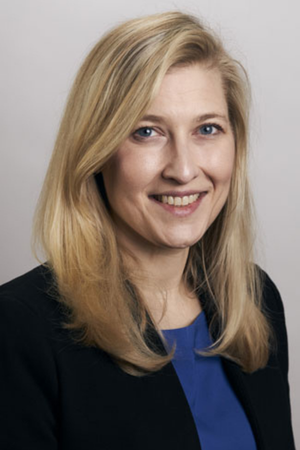
Danielle Battisti, Ph.D.

Danielle Battisti, Ph.D.

  • Department Chair
  • Associate Professor
  • U.S. Immigration & Ethnic History, U.S. Foreign Relations, Modern America

email:
dbattisti@unomaha.edu
office:
  • 287X ASH
office phone:
402.554.4821

Additional Information

Education

Ph.D., SUNY-Buffalo

B.A., Colgate University

Background

Dr. Danielle Battisti is an associate professor of History at the University of Nebraska at Omaha where she specializes in immigration and ethnic history. 

Her book, “Whom We Shall Welcome: Italian Americans and Immigration Reform” (Fordham University Press, 2019) examines both the liberal and conservative elements of Italian American efforts to influence American immigration policies in the 1950s and 1960s. It was awarded the Immigration and Ethnic History Society’s best first book award for 2019.

Dr. Battisti is currently engaged in two new research projects. The first seeks to address gaps in political discourse, the academy, and popular memory about the history of illegal or undocumented migration to the United States by looking at unauthorized Italian immigration from the 1920s to 1950s and the immigration laws that largely facilitated Euro-Americans’ efforts to adjust their status from “illegal alien” to “legal permanent resident.” 

Her other new research examines American involvement in the creation and operations of the Intergovernmental Committee for European Migration, a postwar NGO created in 1952 and charged with resettling European Displaced Persons to the Americas and Oceania. 

Dr. Battisti has also published articles and chapters in The Journal of American Ethnic History, The Italian American Review, Making Italian America, Consumer Culture and the Production of Ethnic Identities (Fordham University Press, 2014), and Ethnic Families in America (Prentice Hall, 2011).

Frequently Taught Courses

American Immigration and Ethnic History (HIST 4460/8466)

American Society and Politics in the Cold War (HIST 4910/8916)

The U.S. Since 1932 (HIST 4280/4286)

The U.S. in the World (HIST 4910/8916)

American Immigration Laws and Policies (Graduate Seminar HIST 9100)

United States History since 1865 (HIST 1120)

Course Resource Links

Cold War Research Sources
U.S. Immigration and Ethnicity Research Sources

Publications

'Whom We Shall Welcome' : Italian Americans and Immigration Reform, 1945-1965 (Fordham University Press, March 5, 2019)

"Italian Americans, Consumerism, and the Cold War in Transnational Perspective" in Making Italian America: Consumer Culture and the Production of Ethnic Identities, edited by Simone Cinotto (Fordham University Press, 2014). (Recipient of the 2015 John G. Cawelti Award for Best Textbook in Popular and American Cultural History from the Popular Culture Association/American Culture Association. 

Additional Information

Education

Ph.D., SUNY-Buffalo

B.A., Colgate University

Background

Dr. Danielle Battisti is an associate professor of History at the University of Nebraska at Omaha where she specializes in immigration and ethnic history. 

Her book, “Whom We Shall Welcome: Italian Americans and Immigration Reform” (Fordham University Press, 2019) examines both the liberal and conservative elements of Italian American efforts to influence American immigration policies in the 1950s and 1960s. It was awarded the Immigration and Ethnic History Society’s best first book award for 2019.

Dr. Battisti is currently engaged in two new research projects. The first seeks to address gaps in political discourse, the academy, and popular memory about the history of illegal or undocumented migration to the United States by looking at unauthorized Italian immigration from the 1920s to 1950s and the immigration laws that largely facilitated Euro-Americans’ efforts to adjust their status from “illegal alien” to “legal permanent resident.” 

Her other new research examines American involvement in the creation and operations of the Intergovernmental Committee for European Migration, a postwar NGO created in 1952 and charged with resettling European Displaced Persons to the Americas and Oceania. 

Dr. Battisti has also published articles and chapters in The Journal of American Ethnic History, The Italian American Review, Making Italian America, Consumer Culture and the Production of Ethnic Identities (Fordham University Press, 2014), and Ethnic Families in America (Prentice Hall, 2011).

Frequently Taught Courses

American Immigration and Ethnic History (HIST 4460/8466)

American Society and Politics in the Cold War (HIST 4910/8916)

The U.S. Since 1932 (HIST 4280/4286)

The U.S. in the World (HIST 4910/8916)

American Immigration Laws and Policies (Graduate Seminar HIST 9100)

United States History since 1865 (HIST 1120)

Course Resource Links

Cold War Research Sources
U.S. Immigration and Ethnicity Research Sources

Publications

'Whom We Shall Welcome' : Italian Americans and Immigration Reform, 1945-1965 (Fordham University Press, March 5, 2019)

"Italian Americans, Consumerism, and the Cold War in Transnational Perspective" in Making Italian America: Consumer Culture and the Production of Ethnic Identities, edited by Simone Cinotto (Fordham University Press, 2014). (Recipient of the 2015 John G. Cawelti Award for Best Textbook in Popular and American Cultural History from the Popular Culture Association/American Culture Association. 

Additional Information

Education Background Frequently Taught Courses Course Resource Links Publications

College of Arts and Sciences

Contact Us
  • 220 Arts & Sciences Hall
  • College Advising Office
Social media
College Resources
  • For Faculty and Staff
  • Math-Science Learning Center
  • The Writing Center
Arts and Sciences Hall building with large white columns in front of a pink and orange sunset.

Services and Resources

  • Academic Calendar
  • Course Catalogs
  • MavCARD Services
  • MavLINK
  • my.unomaha.edu
  • UNO Brand Guide

Related Links

  • A-Z List
  • Employment
  • University of Nebraska System

Campus Links

  • Accessibility
  • Billing Office
  • Buildings and Maps
  • Campus Directory
  • Campus Safety
  • Events
  • Human Resources
  • Library
  • Military-Connected Resource Center
  • News
  • Registrar

Policies and Reporting

  • Emergency Information Alert
  • MavsReport
  • Notice of Nondiscrimination
  • NU Foundation
  • Privacy Statement
  • University Policies
  1. Privacy Statement
  2. Accessibility
  1. 402.554.2800

University of Nebraska at Omaha
University of Nebraska at Omaha, 6001 Dodge Street, Omaha, NE, 68182
  • ©  

Social Media


Omaha Skyline

Our Campus. Otherwise Known as Omaha.

The University of Nebraska does not discriminate based on race, color, ethnicity, national origin, sex, pregnancy, sexual orientation, gender identity, religion, disability, age, genetic information, veteran status, marital status, and/or political affiliation in its education programs or activities, including admissions and employment. The University prohibits any form of retaliation taken against anyone for reporting discrimination, harassment, or retaliation for otherwise engaging in protected activity. Read the full statement.