University of Nebraska at Omaha logo University of Nebraska at Omaha
REQUEST INFO VISIT APPLY

MY UNO DIRECTORY
University of Nebraska at Omaha logo
A U.S. Department of Homeland Security Center of Excellence National Counterterrorism Innovation, Technology, and Education Center (NCITE)
REQUEST INFO VISIT APPLY
MY UNO DIRECTORY
  • About Backback to Main menu
    • We Are NCITE
    • Newsletters
    • Our Community
    • Center Directory
  • Research Backback to Main menu
    • NCITE Research
    • Published Reports
    • Annual Request for Proposals
  • News Backback to Main menu
    • News Center
    • NCITE in the News
  • Rapid Report: NVE
  • Events Backback to Main menu
    • Upcoming Events
    • ENVISION Conference
  • Get Involved Backback to Main menu
    • Donate to NCITE
    • Job Opportunities
  • Podcast

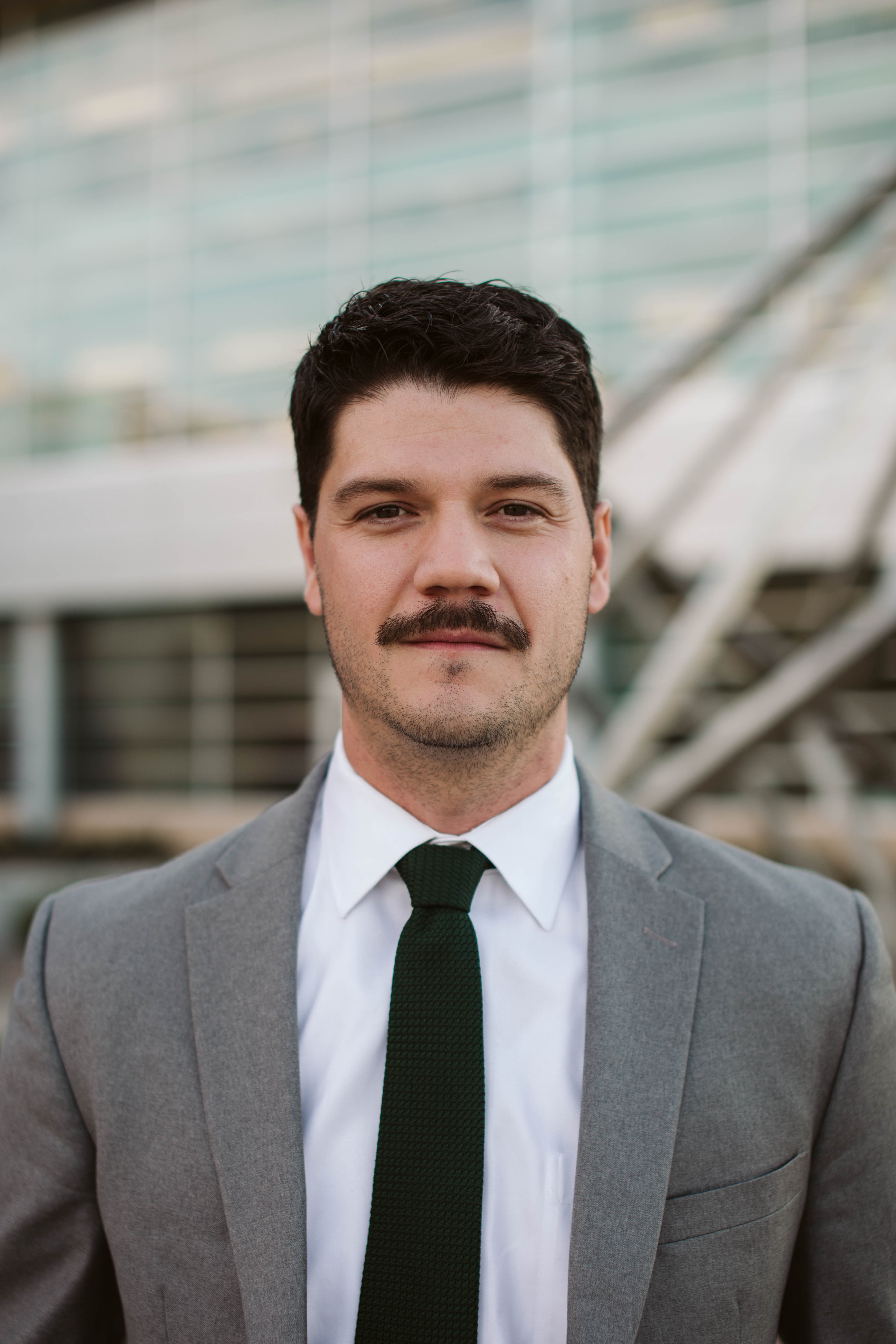
Austin Doctor

  1. UNO
  2. National Counterterrorism Innovation, Technology, and Education Center (NCITE)
  3. About NCITE Center of Excellence
  4. staff-directory
  5. Austin Doctor
Austin Doctor

Austin Doctor

  • Director of Strategic Initiatives
  • NCITE

email:
adoctor@unomaha.edu
office phone:
402.554.2624
area of focus:
  • Assistant Professor, Political Science

Additional Information

Bio

Austin Doctor is the NCITE Director of Strategic Initiatives and an associate professor at the University of Nebraska at Omaha. He has held additional appointments as a fellow with the Modern War Institute at the United States Military Academy at West Point as well as the National Strategic Research Institute, a Department of Defense University Affiliated Research Center. He is a member of the 2025 McCain Institute National Security and Counterterrorism Fellowship cohort. Doctor earned his Ph.D. from the School of Public and International Affairs at the University of Georgia.

Doctor’s expertise lies in the fields of national and homeland security with more than a decade of experience in the study of emerging threats, domestic and international terrorism, irregular warfare, and violent non-state actors. He has been awarded more than $8 million in externally funded research projects in close collaboration with partners across federal law enforcement, the U.S. military, and the U.S. Intelligence Community.

His research is published in Terrorism and Political Violence, Perspectives on Terrorism, the Journal of Conflict Resolution, International Studies Quarterly, Civil Wars, Parameters, the CTC Sentinel, and other peer-review academic journals. His work is also featured in a number of media outlets including the Wall Street Journal, Associated Press, the Washington Post, and Voice of America. As a faculty member, he teaches courses on national security, terrorism, and counterterrorism.

Research Interests

Emerging threats; domestic and international terrorism; irregular warfare; and violent non-state actors

Education

B.A. History; Covenant College

Ph.D. Political Science and International Affairs; University of Georgia

Selected Publications

Doctor, A. C., & Walsh, J. I. (2021). The coercive logic of militant drone use. The US Army War College Quarterly: Parameters, 51(2), 73-84.

Doctor, A. C., & Hunter, S. T. (2023) The Future of Terrorist Use of Improvised Explosive Devices: Getting in Front of an Evolving Threat. CTC Sentinel 16(11),  41-51

Doctor, A. C., Hunter, S. T., & Ligon, G. S. (2023). Militant Leadership and Terrorism in Armed Conflict. Terrorism and Political Violence 36(6), 740–756. https://doi.org/10.1080/09546553.2023.2189972

Doctor, A. C., & Willingham, J. D. (2020). Foreign Fighters, Rebel Command Structure, and Civilian Targeting in Civil War. Terrorism and Political Violence, 34(6), 1125–1143. https://doi.org/10.1080/09546553.2020.1763320

Additional Information

Bio

Austin Doctor is the NCITE Director of Strategic Initiatives and an associate professor at the University of Nebraska at Omaha. He has held additional appointments as a fellow with the Modern War Institute at the United States Military Academy at West Point as well as the National Strategic Research Institute, a Department of Defense University Affiliated Research Center. He is a member of the 2025 McCain Institute National Security and Counterterrorism Fellowship cohort. Doctor earned his Ph.D. from the School of Public and International Affairs at the University of Georgia.

Doctor’s expertise lies in the fields of national and homeland security with more than a decade of experience in the study of emerging threats, domestic and international terrorism, irregular warfare, and violent non-state actors. He has been awarded more than $8 million in externally funded research projects in close collaboration with partners across federal law enforcement, the U.S. military, and the U.S. Intelligence Community.

His research is published in Terrorism and Political Violence, Perspectives on Terrorism, the Journal of Conflict Resolution, International Studies Quarterly, Civil Wars, Parameters, the CTC Sentinel, and other peer-review academic journals. His work is also featured in a number of media outlets including the Wall Street Journal, Associated Press, the Washington Post, and Voice of America. As a faculty member, he teaches courses on national security, terrorism, and counterterrorism.

Research Interests

Emerging threats; domestic and international terrorism; irregular warfare; and violent non-state actors

Education

B.A. History; Covenant College

Ph.D. Political Science and International Affairs; University of Georgia

Selected Publications

Doctor, A. C., & Walsh, J. I. (2021). The coercive logic of militant drone use. The US Army War College Quarterly: Parameters, 51(2), 73-84.

Doctor, A. C., & Hunter, S. T. (2023) The Future of Terrorist Use of Improvised Explosive Devices: Getting in Front of an Evolving Threat. CTC Sentinel 16(11),  41-51

Doctor, A. C., Hunter, S. T., & Ligon, G. S. (2023). Militant Leadership and Terrorism in Armed Conflict. Terrorism and Political Violence 36(6), 740–756. https://doi.org/10.1080/09546553.2023.2189972

Doctor, A. C., & Willingham, J. D. (2020). Foreign Fighters, Rebel Command Structure, and Civilian Targeting in Civil War. Terrorism and Political Violence, 34(6), 1125–1143. https://doi.org/10.1080/09546553.2020.1763320

Additional Information

Bio Research Interests Education Selected Publications

National Counterterrorism Innovation, Technology, and Education Center (NCITE)

Connect with NCITE
  • 6001 Dodge St.
  • Omaha, NE
  • ncite@unomaha.edu
Social media
Our DHS Partners
  • Centers of Excellence
  • Science & Technology Directorate (S&T)
  • Office of University Programs (OUP)
U.S. Department of Homeland Security Science and Technology Grant Acknowledgement and Disclaimer. The material on this website is based on work supported by the U.S. Department of Homeland Security under Grant Award Number 20STTPC00001-05. The views and conclusions included here are those of the authors and should not be interpreted as necessarily representing the official policies, either expressed or implied, of the U.S. Department of Homeland Security.

Services and Resources

  • Academic Calendar
  • Course Catalogs
  • MavCARD Services
  • MavLINK
  • my.unomaha.edu
  • UNO Brand Guide

Related Links

  • A-Z List
  • Employment
  • University of Nebraska System

Campus Links

  • Accessibility
  • Billing Office
  • Buildings and Maps
  • Campus Directory
  • Campus Safety
  • Events
  • Human Resources
  • Library
  • Military-Connected Resource Center
  • News
  • Registrar

Policies and Reporting

  • Emergency Information Alert
  • MavsReport
  • Notice of Non-Discrimination
  • NU Foundation
  • Privacy Statement
  • University Policies
  1. Privacy Statement
  2. Accessibility
  1. 402.554.2800

University of Nebraska at Omaha
University of Nebraska at Omaha, 6001 Dodge Street, Omaha, NE, 68182
  • ©  

Social Media


Omaha Skyline

Our Campus. Otherwise Known as Omaha.

The University of Nebraska does not discriminate based on race, color, ethnicity, national origin, sex, pregnancy, sexual orientation, gender identity, religion, disability, age, genetic information, veteran status, marital status, and/or political affiliation in its education programs or activities, including admissions and employment. The University prohibits any form of retaliation taken against anyone for reporting discrimination, harassment, or retaliation for otherwise engaging in protected activity. Read the full statement.