University of Nebraska at Omaha logo University of Nebraska at Omaha
REQUEST INFO VISIT APPLY

MY UNO DIRECTORY
University of Nebraska at Omaha logo
College of Arts and Sciences Native American Studies
REQUEST INFO VISIT APPLY
MY UNO DIRECTORY
  • About Us Backback to Main menu
    • About Native American Studies
    • Teaching Faculty & Staff Directory
    • Contact Us
  • Academics Backback to Main menu
    • Undergraduate Minor
    • Graduate Minor
    • Course Offerings
    • Knowledge & Skills Gained
    • Transfer Information
  • Community Engagement Backback to Main menu
    • Native American Studies Honoring
    • Events
    • Photo Gallery
  • Student Opportunities Backback to Main menu
    • Intertribal Student Council
  • Research
  • Support Us

Susana Grajales Geliga

  1. UNO
  2. Native American Studies
  3. About Us
  4. Susana Grajales Geliga
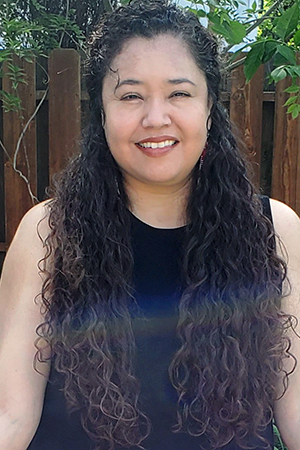
Dr. Susana Grajales Geliga (Sicangu Lakota)

Dr. Susana Grajales Geliga (Sicangu Lakota)

  • Assistant Professor of History and Native American Studies
  • ** Executive Council
  • History & Native American Studies

email:
sgeliga@unomaha.edu

Additional Information

Background

Dr. Geliga is an enrolled member of the Rosebud Sioux tribe and is of Taino descent.

She received her Ph.D. in history with a specialization in Ethnic Studies, and her M.A. in history with a focus on Great Plains Studies from the University of Nebraska-Lincoln.

She received her B.S. degrees in Education, and Native American Studies, and her A.A. degrees in Lakota language, and Lakota Studies from the Oglala Lakota College in Rapid City, South Dakota.

Her primary areas of research are the histories of Native American women, and the construction of Native American identities in the early twentieth century.

Prior to returning to graduate school, she taught Lakota language and culture in the Rapid City public school system for eight years, and Lakota language at Oglala Lakota College in Rapid City for two years. She also created the Little White Buffalo Project, a Lakota language and cultural preservation non-profit program, where she worked with over 580 Urban Native American youth over the course of thirteen years.

For the past 20 years, she has also been active nationally and internationally with the preservation of languages and cultures of Indigenous peoples. She is also a co-director for the Genoa Indian School Digital Reconciliation Project at the University of Nebraska-Lincoln campus.

Concentrations

Native American History, Great Plains Tribes

Frequently Taught Courses

Introduction to Native American Studies

Native American Women

Native American Identities

Education

Ph.D., University of Nebraska-Lincoln (History)

M.A., University of Nebraska-Lincoln (History)

B.S., Oglala Lakota College (Education)

  1. S., Oglala Lakota College (Native American Studies)

Additional Information

Background

Dr. Geliga is an enrolled member of the Rosebud Sioux tribe and is of Taino descent.

She received her Ph.D. in history with a specialization in Ethnic Studies, and her M.A. in history with a focus on Great Plains Studies from the University of Nebraska-Lincoln.

She received her B.S. degrees in Education, and Native American Studies, and her A.A. degrees in Lakota language, and Lakota Studies from the Oglala Lakota College in Rapid City, South Dakota.

Her primary areas of research are the histories of Native American women, and the construction of Native American identities in the early twentieth century.

Prior to returning to graduate school, she taught Lakota language and culture in the Rapid City public school system for eight years, and Lakota language at Oglala Lakota College in Rapid City for two years. She also created the Little White Buffalo Project, a Lakota language and cultural preservation non-profit program, where she worked with over 580 Urban Native American youth over the course of thirteen years.

For the past 20 years, she has also been active nationally and internationally with the preservation of languages and cultures of Indigenous peoples. She is also a co-director for the Genoa Indian School Digital Reconciliation Project at the University of Nebraska-Lincoln campus.

Concentrations

Native American History, Great Plains Tribes

Frequently Taught Courses

Introduction to Native American Studies

Native American Women

Native American Identities

Education

Ph.D., University of Nebraska-Lincoln (History)

M.A., University of Nebraska-Lincoln (History)

B.S., Oglala Lakota College (Education)

  1. S., Oglala Lakota College (Native American Studies)

Additional Information

Background

College of Arts and Sciences

Contact Us
  • 220 Arts & Sciences Hall
  • College Advising Office
Social media
College Resources
  • For Faculty and Staff
  • Math-Science Learning Center
  • The Writing Center
Arts and Sciences Hall building with large white columns in front of a pink and orange sunset.

Services and Resources

  • Academic Calendar
  • Course Catalogs
  • MavCARD Services
  • MavLINK
  • my.unomaha.edu
  • UNO Brand Guide

Related Links

  • A-Z List
  • Employment
  • University of Nebraska System

Campus Links

  • Accessibility
  • Billing Office
  • Buildings and Maps
  • Campus Directory
  • Campus Safety
  • Events
  • Human Resources
  • Library
  • Military-Connected Resource Center
  • News
  • Registrar

Policies and Reporting

  • Emergency Information Alert
  • MavsReport
  • Notice of Non-Discrimination
  • NU Foundation
  • Privacy Statement
  • University Policies
  1. Privacy Statement
  2. Accessibility
  1. 402.554.2800

University of Nebraska at Omaha
University of Nebraska at Omaha, 6001 Dodge Street, Omaha, NE, 68182
  • ©  

Social Media


Omaha Skyline

Our Campus. Otherwise Known as Omaha.

The University of Nebraska does not discriminate based on race, color, ethnicity, national origin, sex, pregnancy, sexual orientation, gender identity, religion, disability, age, genetic information, veteran status, marital status, and/or political affiliation in its education programs or activities, including admissions and employment. The University prohibits any form of retaliation taken against anyone for reporting discrimination, harassment, or retaliation for otherwise engaging in protected activity. Read the full statement.