

The Online Bachelor of Library Science is designed for students who are interested in technology, research, and community engagement and who want to pursue meaningful careers in library science and information-related fields. As the demand for skilled information professionals continues to grow, this program prepares students to work in a variety of library and information settings, including public, academic, and school libraries, as well as archives and digital information centers.

Earn Your Bachelor's in Library Science – 100% Online
Libraries are more than collections—they’re dynamic community spaces where people connect, collaborate, and create. At the University of Nebraska at Omaha (UNO), our fully online Bachelor’s in Library Science equips students to thrive in today’s evolving information landscape.
Students gain practical, library science-relevant skills through engaging coursework, immersive field experiences, and instruction in technology-rich environments. Combined with affordable tuition, flexible course options, and a career-focused curriculum, the program makes it possible to earn your degree without putting your life on hold.
Why Choose UNO’s Online Bachelor's in Library Science?

FLEXIBLE LEARNING
Earn your degree fully online with a schedule that fits your life.

VERSATILE CURRICULUM
Develop expertise in digital citizenship, information resource management, children's and young adult literature, research strategies, and library leadership.

FIND YOUR CAREER PATH
Graduates of the program go on to work as academic librarians, technology coordinators, media archivists, public library directors, and more.
EXPERT FACULTY
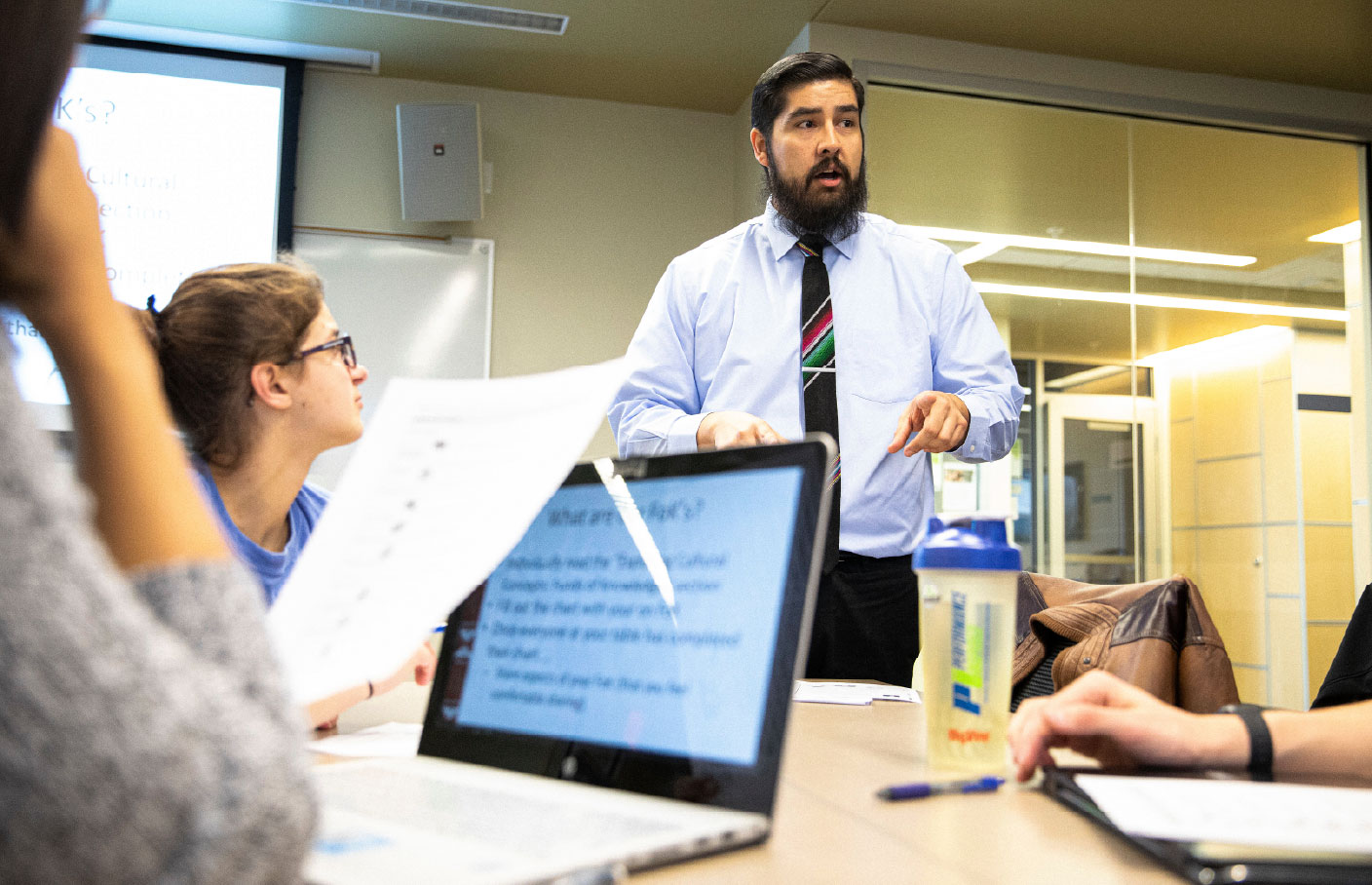
Learn from award-winning faculty with deep knowledge in library science.
Who is the Bachelor of Library Science for?
What Skills Will I learn?




Core Courses You'll Take
This course introduces students to the discipline and profession of library and information science and to the wide array of information organizations whose purpose is to gather, organize, and transfer information to patrons in a diverse society.
This course focuses on children's literature as a significant component of a 21st Century learning environment through the use of multiple literacies, e.g., cultural, information, visual, and digital literacy strategies. An emphasis will be based on research-based literacy strategies and literature that supports culturally relevant teaching and librarianship.
This course provides foundational knowledge about tools and technologies for use with all types of educational scenarios. Course content will include information about many different types of learners and literacies and will explore instructional tools and strategies that enhance dissemination of digital information and digital instruction.
This course extends candidates' knowledge of literature for young adults. The course addresses current trends in the genre and engages candidates in activities that support pedagogies in basic, visual, information and cultural literacies.
Candidates will demonstrate an understanding of the theories, concepts and activities integral to reference resources and services in 21st Century libraries and information agencies. Candidates will demonstrate an understanding of effective search strategies and efficient use of both print and digital resources, design and promote information literacy instruction that is developmentally appropriate, and understand the legal and ethical responsibilities integral to positive and proactive reference services for patrons and diverse learners.
The course is an introduction to the basic tenets of digital citizenship including legalities, ethics, privacy and security. The course fosters an awareness of digital citizenship as a topic that impacts pedagogy and programming and reflects best practice in all types of learning communities.
This course addresses basic theory and best practice in collection management, descriptive and subject cataloging, and classification of information resources using national standards and resources. Course will address the theories, concepts and activities integral to proactive collection development in 21st Century libraries. Candidates will demonstrate understanding of the legal and ethical aspects of the collection and organization of information resources by appropriately applying the standards of their discipline to ensure access to information and ideas for all patrons.
This course examines best practices related to serving adult populations in 21st Century libraries and information agencies. Candidates will examine the characteristics of diverse adult populations and design resources, programming, and services to meet their personal and professional needs.
The course introduces concepts for effective leadership and management for 21st Century libraries of all kinds (special, public, academic, and school). Candidates will be introduced to vocabulary, philosophies, and processes involved in administration of libraries in support of ensuring quality service to all library patrons. Candidates will be introduced to professional ethics and principles and will be made aware of best practices in management of library services and facilities.
Candidates will gain direct experience and an understanding of the theories, concepts and activities integral to public services, technical services, and the administration in a 21st Century library and information agency at an assigned field site or through an in-depth research project. Candidates will demonstrate the ability to plan, develop, and implement programming and services for patrons and diverse learners in their public, academic and special libraries.

What Careers Can You Pursue With a Bachelor’s in Library Science?
Graduates of UNO’s online Library Science program go on to work as:
- Library assistants and technicians
- Public library directors and community program coordinators
- Media and digital archivists
- Academic library staff
- Technology and information specialists
The Teacher Education Department
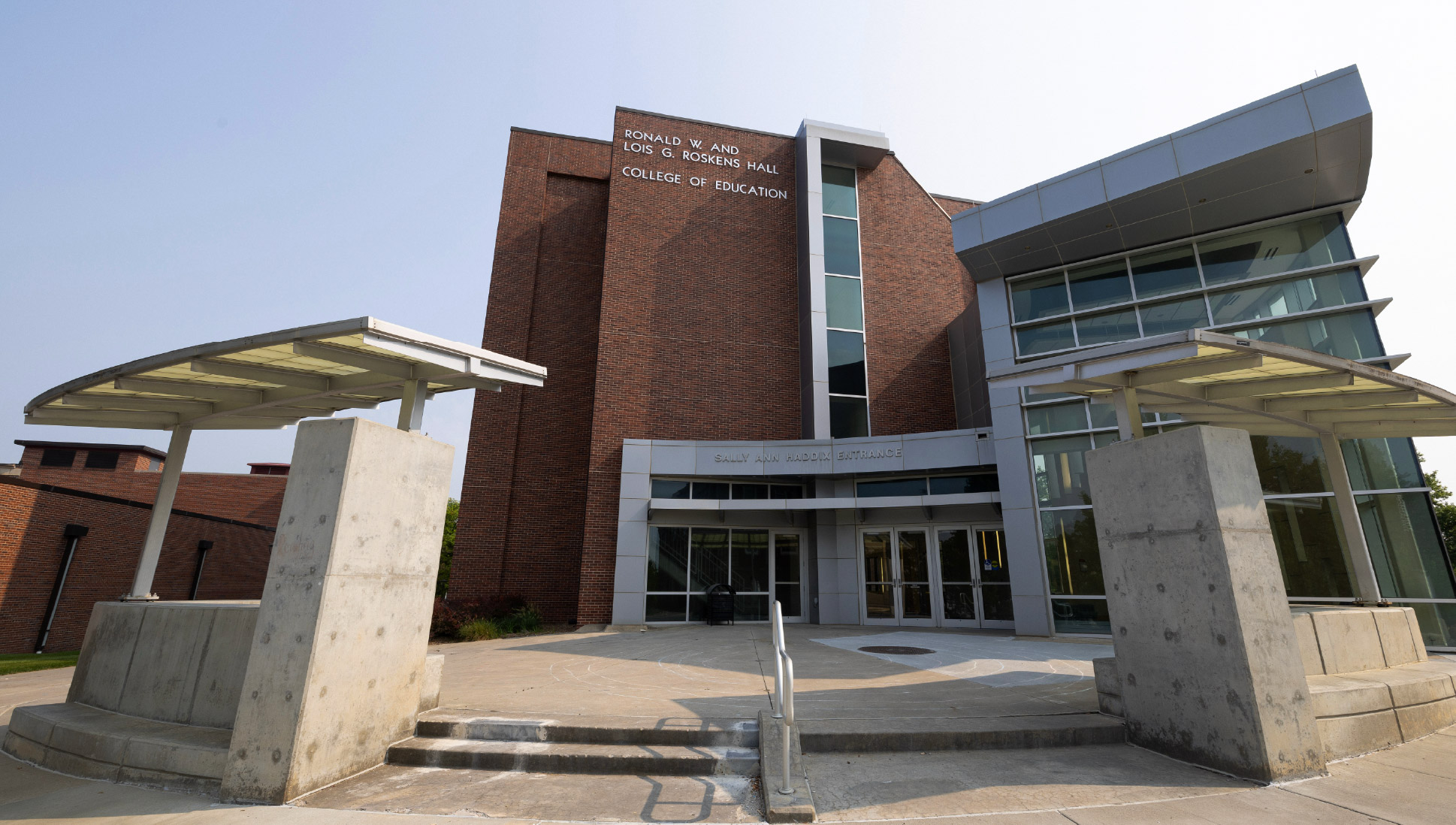
The Teacher Education Department offers flexible, career-focused programs designed to prepare professionals for today’s learning environments—including fully online options.


Ready to take the next step?

Welcome to our campus, also known as Omaha.