

Cardiovascular Biomechanics
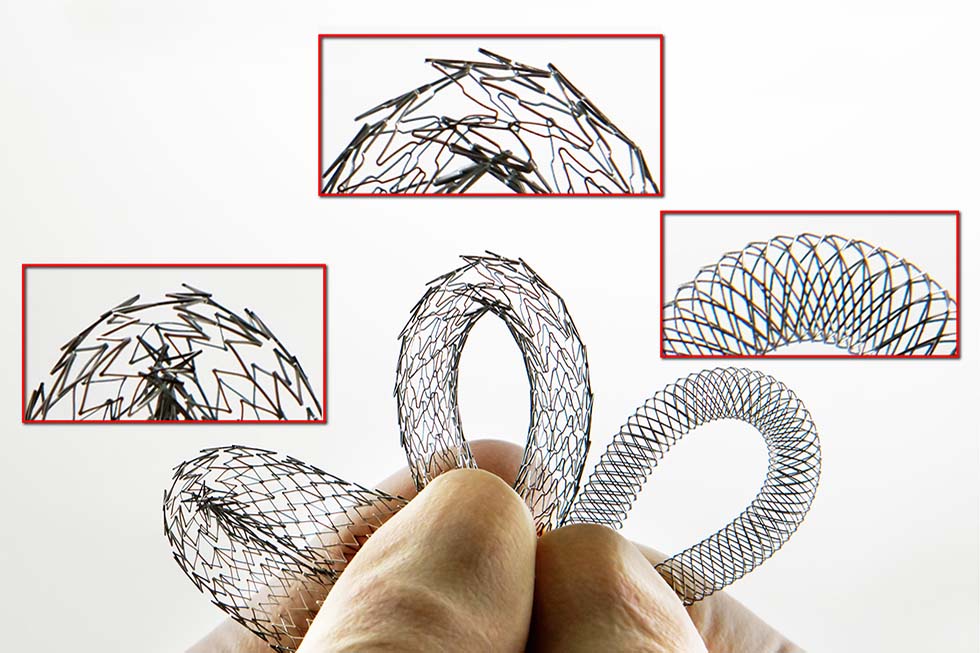
What is Cardiovascular Biomechanics?
Cardiovascular Biomechanics is a multidisciplinary field that studies the relationship between the mechanics, biology, and physiology of the cardiovascular system.
It uses a wide range of in vivo, ex vivo, in vitro, and in silico methods to investigate normal and pathologic functions of the heart and the blood vessels, develop new diagnostic and preventive therapies for cardiac and vascular disorders, and improve new devices and materials for surgical repair.
Cardiovascular biomechanics research often involves joint efforts of clinicians, engineers, material scientists, physiologists, and biologists working with bench-top, animal, and human data.
Cardiovascular Biomechanics in the News
A UNO-led team is pioneering the first catheter-based treatment to eliminate arterial calcium!
A $2.7 million NIH grant is supporting the development of the first therapy that can directly remove arterial calcification and improve blood flow in patients with peripheral artery disease.
Learn more about this research
